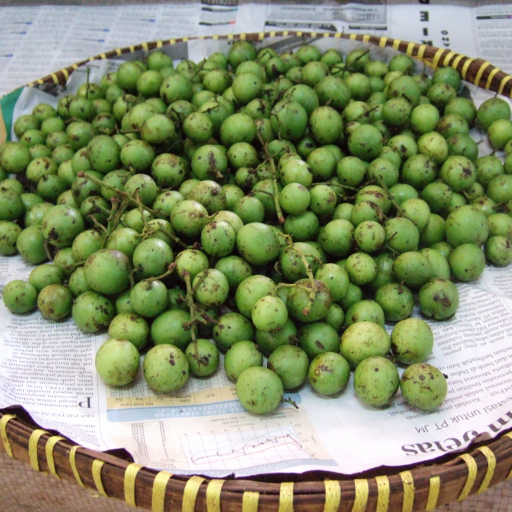
Plant Overview
Known as the "Marian Plum" or "Gandaria," this Southeast Asian treasure is often mistaken for a miniature mango at first glance. Its dense, weeping foliage makes it a magnificent ornamental shade tree, while its vibrant orange fruit offers a refreshing, sophisticated blend of sweet and sour flavors. In its native regions of Indonesia and Thailand, it is a celebrated seasonal delicacy, prized both for its juicy pulp and its unique, edible skin.
🔍 How to Identify
- 🍃 Lush Foliage: The leaves are long, lance-shaped, and a deep, glossy green. They grow in opposite pairs and have a slightly leathery texture, resembling mango leaves but generally narrower and more elegant.
- 🌸 Fragrant Blooms: It produces clusters of tiny, inconspicuous yellowish flowers. While small, they emit a delicate, sweet scent that attracts a variety of tropical pollinators.
- 🍑 Distinctive Fruit: The fruit is oval and smooth, transitioning from a pale green to a brilliant golden-orange when ripe. Inside, the flesh is bright orange and surrounds a single, striking purple seed.
🏡 In Your Garden
- ☀️ Tropical Requirements: The Gandaria is a "sun-worshipper" that requires high humidity and consistent warmth. It is highly sensitive to frost; even a light chill can damage the young shoots, so it is best suited for tropical climates or large, heated conservatories.
- 🌱 Patience with Growth: While it is a hardy tree once established, it is known for a relatively slow growth rate in its early years. It prefers slightly acidic, well-draining soil and appreciates a thick layer of organic mulch to keep its root zone cool and moist.
⚠️ Safety & Toxicity
- ✅ Human Safety: The fruit is entirely edible and highly nutritious, packed with Vitamin C and dietary fiber. Unlike many other stone fruits, the skin is also edible and provides a pleasant "crunch."
- 🐶 Pet Caution: While the fruit flesh is safe, the large internal seed (pit) should be kept away from dogs, as it poses a significant choking hazard or risk of intestinal blockage.
- 🌿 Sap Sensitivity: As a member of the Anacardiaceae family (the same family as Mango and Cashew), the sap may cause mild skin irritation or a rash in individuals who are particularly sensitive to urushiol.
✨ Fun Fact
Unlike its cousin the Mango, which has a skin that most people find bitter or tough, the Gandaria's skin is thin and delicious! It adds a unique tartness to the eating experience, making it one of the few "plum-like" fruits where the peel is just as sought after as the pulp.

Detailed Care Instructions
To grow Bouea macrophylla, also known as the "Mauritius Plum" or "Kundang," you can follow these steps:
- Climate: Bouea macrophylla thrives in tropical and subtropical climates. It requires warm temperatures and high humidity. It is native to Southeast Asia and prefers areas with temperatures between 77-95°F (25-35°C).
- Soil: The plant prefers well-draining soil with organic matter. A mixture of garden soil, compost, and sand is ideal to ensure good drainage while retaining moisture.
- Seed selection: Obtain Bouea macrophylla seeds from a reliable source, ensuring they are fresh and viable. Seeds can be collected from ripe fruits or purchased from a nursery or online seller.
- Germination: Soak the seeds in room temperature water for 24 hours before sowing to help soften the outer shell. Plant the seeds in small pots or seed trays, burying them about 0.5-1 inch (1-2 cm) deep in the soil. It is recommended to use peat pots or containers made of organic material to avoid disturbing the roots during transplantation.
- Watering: Keep the soil consistently moist but not waterlogged. Water the seedlings regularly, ensuring the soil doesn't dry out. Provide water with a sprayer or a gentle watering can to avoid disturbing the seeds.
- Sunlight: Bouea macrophylla needs full sun to grow properly. Place the pots in a location that receives at least 6-8 hours of direct sunlight daily.
- Transplantation: When the seedlings have reached around 6-8 inches (15-20 cm) in height and have developed a few sets of leaves, they can be transplanted into larger pots or directly into the ground. Choose a location that is sheltered from strong winds. Ensure proper spacing between plants, as they can reach heights of up to 50 feet (15 meters) when mature.
- Fertilization: Feed the plant with a balanced organic fertilizer every two to three months during the growing season. Use a fertilizer specifically formulated for fruit trees or general-purpose organic fertilizers.
- Pruning: Prune Bouea macrophylla plant to maintain its shape and remove any dead or diseased branches. Pruning should be done during the dormant period or after fruiting.
- Pest and disease control: Monitor the plant for common pests like aphids, mealybugs, and scale insects. Use organic and natural methods to control pests, such as neem oil or insecticidal soap. Proper sanitation and good air circulation can help prevent diseases.
Remember that growing Bouea macrophylla from seeds may take several years to produce fruits. Patience and proper care are key to successfully growing this tropical fruit tree.
To properly water Bouea Macrophylla plants, it is important to follow these guidelines:
- Determine the water needs: Bouea Macrophylla plants prefer a regular watering schedule. However, it is essential to allow the soil to dry slightly between waterings. This will prevent overwatering and potential root rot.
- Observe the soil moisture: Before watering, check the moisture level in the soil. Use your finger or a moisture meter to determine if the top inch of soil is dry. If it feels moist, it is best to hold off on watering until it dries out a bit.
- Water quantity: When watering, ensure that the soil receives a deep soak. This helps to encourage the roots to grow deeper into the ground and promotes the plant's overall health. Apply enough water to thoroughly moisten the soil around the plant.
- Watering method: To prevent water from running off and evaporating too quickly, it is advisable to use a gentle watering method. This can involve using a watering can with a narrow spout or a drip irrigation system.
- Watering frequency: The frequency of watering will depend on various factors such as climate, season, and the plant's growth stage. In general, younger Bouea Macrophylla plants may require more frequent watering than mature ones. As a starting point, aim to water the plant every 7-10 days and adjust based on the appearance of the leaves and the moisture levels in the soil.
- Additional considerations: Besides watering, it is crucial to consider other factors that can affect plant health, such as temperature and humidity. During hot and dry spells, Bouea Macrophylla plants might require more frequent watering. Additionally, ensure good drainage for the plant by using well-draining soil and avoiding water accumulation at the base of the plant.
Remember, providing the right amount of water, while allowing the soil to dry out slightly between waterings, will promote healthy growth and avoid common issues associated with over or under watering.
- Choose a well-draining pot with ample drainage holes.
- Prepare the potting mix by combining equal parts of peat moss, perlite, and compost.
- Fill the pot about three-quarters full with the prepared potting mix.
- Gently remove the Bouea Macrophylla plant from its current pot and place it in the new pot, ensuring the plant's root ball sits slightly above the soil level.
- Fill the remaining space around the plant's roots with the potting mix, lightly pressing it down to secure the plant.
- Water the plant thoroughly, making sure the soil is evenly moist but not waterlogged.
- Use a balanced liquid fertilizer with an NPK ratio of 10-10-10 or similar, diluting it to half the recommended strength.
- Apply the diluted fertilizer to the soil around the base of the plant once every four to six weeks during the growing season (spring and summer).
- Avoid getting the fertilizer on the plant's leaves or stems, as this can cause damage.
- After fertilizing, water the plant again to ensure the fertilizer is evenly distributed and absorbed by the roots.
- During the dormant season (fall and winter), reduce the frequency of fertilizing to once every two to three months.
- Monitor the plant closely for any signs of nutrient deficiencies or excesses, such as yellowing leaves or stunted growth, and adjust the fertilization accordingly.
The ideal soil for Bouea Macrophylla plants should possess specific characteristics to support optimal growth and overall health. It is generally recommended to use a well-draining soil mix that combines organic matter with mineral components.
The soil should have good water retention abilities, allowing the plant's roots to access moisture while also preventing excess water from accumulating. This can help prevent the roots from rotting due to waterlogged conditions. At the same time, the soil should ensure proper drainage, preventing water from stagnating around the roots.
Furthermore, the soil should offer a balanced pH level, preferably slightly acidic to neutral. This helps facilitate nutrient uptake by the plant, as some essential elements become more available and soluble within this pH range.
The soil mix should be rich in organic matter, such as compost or well-rotted manure. This organic content can enhance soil structure, improve water retention capabilities, and provide necessary nutrients for the plant's growth. It also helps promote beneficial microbial activity in the soil, supporting a healthy root system.
In terms of texture, the soil should be well-aerated and loamy to ensure good root penetration and circulation. It should not be excessively sandy or clayey, but rather a balanced combination of sand, silt, and clay particles. This allows for proper root development and nutrient uptake.
Overall, the ideal soil for Bouea Macrophylla plants should have good drainage properties, retain adequate moisture, possess a slightly acidic to neutral pH, contain ample organic matter, and offer a well-balanced texture. Providing these conditions will help create an environment in which the plant can thrive and flourish.
To propagate Bouea Macrophylla plant, you can follow these steps:
- Start by selecting a healthy and mature specimen of Bouea Macrophylla plant from which you want to propagate. Ensure that the plant is free from any diseases or pests.
- Prepare a propagation medium, which can be a mixture of well-draining soil, perlite, and organic compost. This will provide the necessary nutrients and drainage for the plant to establish its roots.
- Take a cutting from the selected plant using clean and sterilized pruning shears. The cutting should be around 6-8 inches long and have a few nodes or leaf buds. Make a clean cut just below a node and remove any lower leaves, leaving only a few leaves at the top.
- Dip the cut end of the cutting into a rooting hormone. This will help stimulate root development and increase the chances of successful propagation.
- Create a planting hole in the propagation medium and gently place the cutting into it, making sure that at least 2-3 nodes are buried beneath the surface. Firmly press the soil around the cutting to provide stability.
- Water the cutting thoroughly to ensure that the soil is evenly moist. However, avoid overwatering, as excessive moisture can lead to rotting.
- Create a humid environment around the cutting to promote rooting. You can do this by covering the cutting with a clear plastic bag or placing it in a propagator. This will help retain moisture and create the ideal conditions for root growth.
- Place the cutting in a warm and well-lit location, away from direct sunlight. Bouea Macrophylla plants prefer bright, indirect light for propagation. Ensure that the temperature remains consistently warm, ideally between 70-80°F (21-27°C).
- Monitor the cutting regularly to check for signs of root development. It may take several weeks or even months for roots to form. Once you notice new growth or an increase in root development, it indicates that the cutting has successfully rooted.
- After the roots have established, carefully transplant the newly rooted cutting into a larger pot or container with well-draining soil. Provide adequate light, water, and fertilizer to support its growth.
Remember to be patient during the propagation process, as it can take time for the cutting to develop roots. With proper care and attention, you can successfully propagate Bouea Macrophylla plants and enjoy their beautiful foliage and fruits.








