Plant Overview
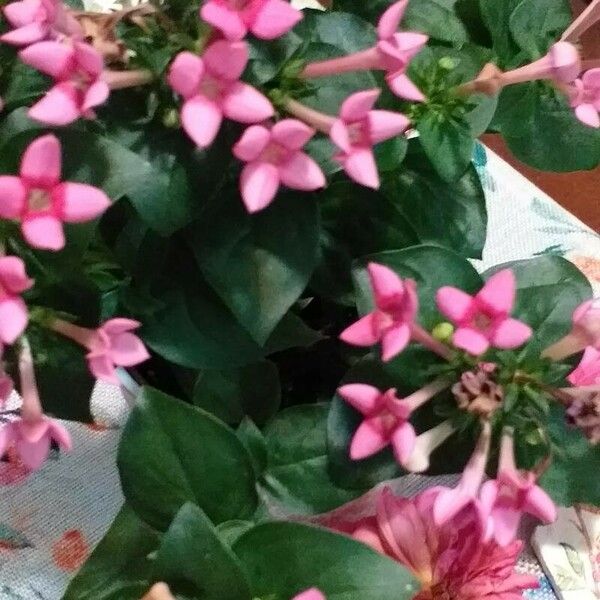
Known affectionately as the "Firecracker Bush" or "Trompetilla," Bouvardia × hybrida is a show-stopping Mexican native that brings a burst of tropical energy to any space. Its clusters of star-shaped, tubular flowers look like miniature fireworks frozen in mid-explosion. In the Victorian "Language of Flowers," a gift of Bouvardia represented enthusiasm, making it a historic favorite for celebratory bouquets.
🔍 How to Identify
- 🌸 Star-Shaped Blooms: The most striking feature is the terminal clusters of four-petaled, trumpet-like flowers, which can be found in vibrant shades of scarlet, pink, coral, or pure white.
- 🍃 Glossy Foliage: The leaves are pointed, lance-shaped, and grow in opposite pairs or whorls of three or four along the woody stems.
- 🪴 Compact Shrub: It maintains a tidy, bushy habit, usually reaching about 2 to 4 feet in height, making it an ideal choice for both garden borders and indoor containers.
🏡 In Your Garden
- ✂️ The "Pinch" Method: To prevent the plant from becoming "leggy" or sparse, gardeners should pinch back the growing tips in early spring. This encourages a fuller, bushier shape and results in more flower clusters.
- 💧 Thirst for Humidity: While it loves bright light, it is sensitive to dry air. If kept indoors, it thrives near a humidifier or on a pebble tray, as it misses the misty mountain air of its native Central American highlands.
- 🌡️ Winter Protection: This hybrid is quite sensitive to the cold. If temperatures drop toward freezing, it must be brought indoors or heavily protected, as it has no natural defense against frost.
⚠️ Safety & Toxicity
- 🐾 Pet Friendly: Generally, Bouvardia is considered non-toxic to cats and dogs, making it a "safe" choice for a pet-filled household.
- 🧤 Skin Sensitivity: While not poisonous, the sap can occasionally cause mild skin irritation for those with sensitive skin. Wearing gloves while pruning is a good precaution to avoid any itchy reactions.
✨ Fun Fact
- 🎯 A Hummingbird Magnet: The long, tubular shape of the Bouvardia flower is no accident; it is perfectly evolved for the slender beaks of hummingbirds, who act as the plant's primary pollinators in the wild.

Detailed Care Instructions
Bouvardia × Hybrida, commonly known as hybrid Bouvardia, is a popular ornamental plant known for its attractive flowers and ability to thrive in various growing conditions. Here are some tips on how to successfully grow Bouvardia × Hybrida:
1. Location and Light Requirements
- Sunlight: Bouvardia prefers bright, indirect light. If growing indoors, a spot near a window that receives filtered sunlight is ideal. Outdoors, they thrive in partial to full shade, especially in hotter climates.
2. Soil Requirements
- Soil Type: Use well-draining potting soil. A mixture of peat moss, perlite, and potting soil can provide good drainage while retaining adequate moisture.
- pH Level: Aim for a pH between 6.0 and 7.0, which is slightly acidic to neutral.
3. Watering
- Moisture: Keep the soil consistently moist but not soggy. Overwatering can lead to root rot, while underwatering can cause stress to the plant.
- Frequency: Water when the top inch of soil feels dry to the touch. Adjust watering frequency based on environmental conditions, such as humidity and temperature.
4. Temperature and Humidity
- Temperature: Bouvardia prefers temperatures between 60°F to 75°F (15°C to 24°C). Protect it from frost and extreme heat.
- Humidity: These plants appreciate moderate humidity. If your indoor air is dry, consider misting the leaves or using a humidity tray.
5. Fertilization
- Type: Use a balanced, water-soluble fertilizer every 4-6 weeks during the growing season (spring and summer). Reduce feeding in fall and winter when growth slows down.
6. Pruning and Maintenance
- Pruning: Regularly remove spent flowers to encourage new blooms and maintain the plant's shape. Prune in early spring to promote bushier growth.
- Pests and Diseases: Keep an eye out for common pests like aphids or spider mites. Treat any infestations promptly with insecticidal soap or neem oil.
7. Propagation
- Cuttings: Bouvardia can be propagated by taking stem cuttings in spring or summer. Ensure that cuttings have healthy nodes and place them in a well-draining medium until roots develop.
8. Container Growing
- If growing in a pot, ensure it has adequate drainage holes. Regularly check for root-bound conditions, and repot as necessary.
By following these guidelines, you should be able to successfully grow and enjoy Bouvardia × Hybrida in your garden or home. Happy gardening!
To effectively water the plant known as Bouvardia × Hybrida, you should follow these guidelines:
- Soil Check: Before watering, check the soil moisture level. Insert your finger about an inch into the soil. If it feels dry at that depth, it's time to water. If it still feels moist, wait a few days before checking again.
- Watering Method: Water the plant thoroughly, ensuring that water seeps out of the drainage holes at the bottom of the pot. This indicates that the entire root system has received adequate moisture.
- Frequency: Generally, watering should be done when the top inch of soil feels dry. Depending on the climate and season, this may vary from once every few days to once a week. Adjust the frequency based on the plant's response and environmental conditions.
- Water Quality: Use room-temperature water, preferably rainwater or distilled water if possible, as tap water may contain chemicals that can affect the plant’s health.
- Avoid Overwatering: Ensure that the plant’s pot has proper drainage to prevent water from pooling at the bottom, which can lead to root rot. Always empty any excess water from saucers under the pot.
- Humidity Consideration: This plant prefers humid environments. In drier climates, consider misting the leaves occasionally or placing the pot on a tray filled with pebbles and water to provide additional humidity without direct water contact with the roots.
- Observation: Monitor the plant for signs of underwatering (such as wilting or drooping leaves) or overwatering (yellowing leaves, mushy stems). Adjust your watering routine accordingly based on these observations.
By following these steps, you can maintain the proper moisture levels for optimal growth and flowering of Bouvardia × Hybrida.
To fertilize Bouvardia × Hybrida, follow these guidelines:
- Fertilizer Type: Use a balanced, water-soluble fertilizer with an N-P-K ratio of approximately 10-10-10 or a formula designed for flowering plants. Ensure it contains micronutrients for optimal growth.
- Frequency: Fertilize every 4 to 6 weeks during the growing season (spring and summer). Reduce or stop fertilization during the fall and winter months when the plant is dormant.
- Dilution: Mix the fertilizer according to the package instructions, typically diluting it to about half the recommended strength to avoid over-fertilization. Always err on the side of caution.
- Application: Water the plant thoroughly before applying fertilizer to prevent root burn. Apply the diluted fertilizer solution directly to the soil, avoiding contact with the foliage to prevent leaf burn.
- Soil Moisture: Ensure the soil is consistently moist but not waterlogged before and after fertilizing. Excessive moisture can lead to root rot, while too little can inhibit nutrient absorption.
- Container Plants: For potted plants, consider repotting every couple of years to refresh the soil, as nutrients can become depleted over time.
- Observation: Monitor your plant for signs of nutrient deficiency or excess, such as yellowing leaves or stunted growth, and adjust your fertilization schedule accordingly.
By following these guidelines, you can provide your plant with the necessary nutrients for healthy growth and flowering.
When growing Bouvardia × Hybrida, it's essential to choose the right soil to ensure optimal growth and flowering. This plant prefers a well-draining soil that retains some moisture but does not become soggy. Here are the specific characteristics you should look for in the soil:
- Soil Type: A lightweight potting mix is ideal. A mix that contains peat moss, perlite, and vermiculite can offer the right balance of aeration and moisture retention.
- pH Level: The preferred soil pH is slightly acidic to neutral, ideally in the range of 6.0 to 7.0. A soil test can help determine the pH level to ensure it meets this requirement.
- Drainage: Good drainage is crucial to avoid root rot. If using a pot, ensure it has drainage holes, and consider adding coarse materials like sand or small gravel to enhance drainage.
- Nutrient Content: Incorporate organic matter into the soil, such as compost, to provide necessary nutrients. This plant can benefit from a balanced slow-release fertilizer during its growing season.
- Soil Structure: Aim for a soil structure that is airy and can support root growth while allowing excess water to drain away. Avoid compacted soils that can restrict root development.
- Moisture Retention: While the soil should be well-draining, it also needs to retain some moisture. The use of peat moss can help maintain moisture levels without oversaturating the roots.
By focusing on these soil characteristics, you can create an optimal growing environment for Bouvardia × Hybrida, promoting healthy growth and vibrant blooms.
Bouvardia × hybrida is a cultivated hybrid known for its attractive blooms and is typically propagated through various methods. Here are detailed steps for propagating this plant:
1. Stem Cuttings
Timing:
The best time to take cuttings is during the spring or early summer when the plant is actively growing.
Materials Needed:
- Sharp, clean pruning shears or scissors
- Containers with well-draining potting mix
- A clear plastic bag or plastic wrap (for humidity)
- Rooting hormone (optional)
Steps:
- Select a Healthy Parent Plant: Choose a vigorous, disease-free parent plant to ensure healthy cuttings.
- Take Cuttings:
- Select healthy stems that are 4-6 inches long and have several nodes.
- Make a clean cut just below a node to enhance rooting potential.
- Select healthy stems that are 4-6 inches long and have several nodes.
- Prepare the Cuttings:
- Remove the lower leaves, leaving only a couple of top leaves. This reduces moisture loss and prevents rotting.
- Remove the lower leaves, leaving only a couple of top leaves. This reduces moisture loss and prevents rotting.
- Apply Rooting Hormone (optional):
- Dip the cut end into rooting hormone if desired, which can promote faster root development.
- Dip the cut end into rooting hormone if desired, which can promote faster root development.
- Plant the Cuttings:
- Insert the cut end into the pre-moistened potting mix, ensuring that at least one node is buried.
- Insert the cut end into the pre-moistened potting mix, ensuring that at least one node is buried.
- Water and Cover:
- Water the cuttings gently to eliminate air pockets and ensure good contact with the soil.
- Cover the container with a clear plastic bag or wrap to maintain humidity, ensuring it does not touch the foliage.
- Water the cuttings gently to eliminate air pockets and ensure good contact with the soil.
- Provide Ideal Conditions:
- Place the container in a warm, bright location with indirect sunlight. Avoid direct sunlight, which can scorch the cuttings.
- Place the container in a warm, bright location with indirect sunlight. Avoid direct sunlight, which can scorch the cuttings.
- Monitor Moisture and Ventilation:
- Check the cuttings regularly to ensure the medium is moist but not soggy. Remove the plastic cover for a few hours each week to provide ventilation.
- Check the cuttings regularly to ensure the medium is moist but not soggy. Remove the plastic cover for a few hours each week to provide ventilation.
- Root Development:
- After 4-6 weeks, gently tug on the cuttings to check for resistance, indicating root development.
- After 4-6 weeks, gently tug on the cuttings to check for resistance, indicating root development.
- Transplanting:
- Once roots are well-established, transplant the cuttings into individual pots to continue growing.
2. Division (if applicable)
For older, established plants, division can also be an effective propagation method if the plant has multiple stems.
Steps:
- Once roots are well-established, transplant the cuttings into individual pots to continue growing.
- Choose the Right Time: The best time for division is in spring or early fall.
- Remove the Plant from Its Pot or Ground: Carefully lift the clump out, preserving as many roots as possible.
- Divide the Clump: Use a clean knife or spade to separate the plant into smaller sections, ensuring each section has roots and a portion of stems.
- Replant Divisions: Immediately replant the divisions in well-draining soil, keeping them adequately watered until established.
3. Seed Propagation
If you have access to seeds, you can also propagate the hybrid through seeds.
Steps:
- Collect Seeds: Collect seeds from mature fruits when they ripen—usually in late summer or early fall.
- Prepare for Sowing:
- Surface sow seeds in a sterile seed-starting mix.
- Surface sow seeds in a sterile seed-starting mix.
- Moisten the Soil: Lightly mist the soil to ensure it is damp but not waterlogged.
- Cover and Provide Conditions: Cover the seed tray with a clear lid or plastic wrap to maintain humidity and place it in a warm area with indirect light.
- Germination:
- Seeds may take several weeks to germinate. Ensure the soil remains moist during this period.
- Seeds may take several weeks to germinate. Ensure the soil remains moist during this period.
- Thin Seedlings: Once seedlings are large enough to handle, thin them out to prevent overcrowding.
- Transplant: When the seedlings have developed a few sets of true leaves, transplant them into larger pots.
By following these propagation techniques, you can successfully grow new plants.







