Plant Overview
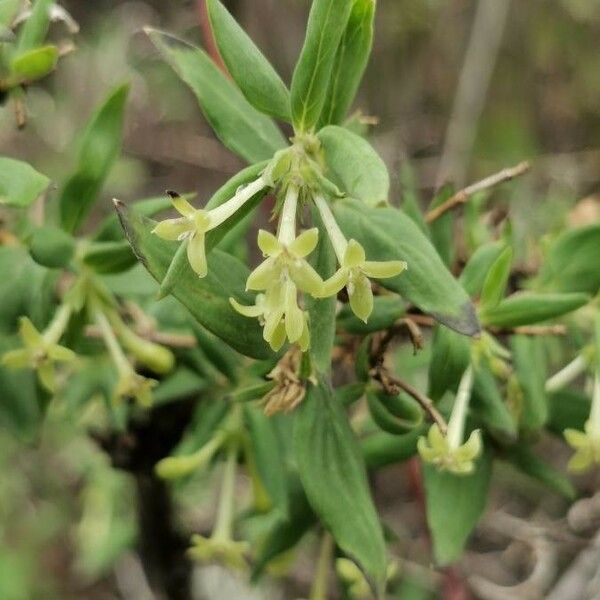
Known as the "Sweet Bouvardia" or the "Scent of Mexico," this elegant evergreen shrub is a hidden gem in the world of ornamental gardening. Often favored by florists for its delicate, star-shaped blossoms and intoxicating fragrance, it transforms any balcony or garden room into a perfumed sanctuary. Its long, tubular flowers look like tiny trumpets waiting for a celebration to begin.
🔍 How to Identify
- 🌸 The Blooms: Clusters of snow-white, tubular flowers that flare out into four distinct, pointed petals forming a star shape.
- 🍃 The Foliage: Rich, glossy green leaves that grow in opposite pairs or whorls, providing a lush backdrop to the bright flowers.
- 📏 The Habit: A woody, multi-stemmed shrub that typically stays compact, making it ideal for large pots or sunny borders.
🏡 In Your Garden
- 💧 Humidity Lover: Unlike many desert-native Mexican plants, Bouvardia craves humidity. If you are keeping it indoors, a pebble tray or regular misting will prevent the leaves from crisping at the edges.
- ✂️ The Pruning Secret: To keep the plant from becoming "leggy," it is best to prune it back significantly after the flowering season ends. This encourages a bushier shape and more flower sites for the following year.
- ☀️ Light & Warmth: It thrives in bright, filtered light. While it loves the sun, intense afternoon heat can wilt the delicate petals, so a spot with morning sun and afternoon shade is often the "sweet spot."
⚠️ Safety & Toxicity
- 🟢 Status: Generally considered non-toxic to humans and common household pets.
- 🧤 Skin Sensitivity: While not poisonous, the sap can occasionally cause mild skin irritation for those with sensitive skin. It is always a good practice to wear gloves when performing heavy pruning.
✨ Fun Fact
The Bouvardia genus was named in honor of Charles Bouvard, who was the personal physician to King Louis XIII of France and the superintendent of the Royal Botanic Gardens in Paris!

Detailed Care Instructions








