Plant Overview
Often called the False Boneset, this native North American perennial is a rugged survivor of the prairies and open woodlands. While it may look like a modest wildflower, it plays a starring role in late-summer landscapes by providing a crucial nectar source when other plants begin to fade. Its name comes from its striking resemblance to "True Boneset" (Eupatorium), though it is a distinct character all its own in the Aster family.
🔍 How to Identify
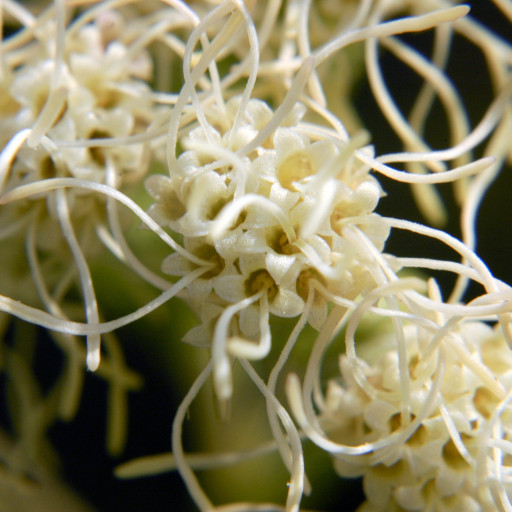
- ☁️ Flower Clusters: Features dense, flat-topped clusters of creamy-white to pale yellow tubular flowers. Unlike many daisies, it lacks long outer petals (ray florets), giving it a fuzzy, "pom-pom" appearance.
- 🍃 Leaf Texture: The leaves are narrow, lance-shaped, and often have a slightly toothed edge. They are usually arranged alternately along the stem and have a subtle, grayish-green hue.
- 📏 Growth Habit: It typically grows in an upright, bushy clump reaching 2 to 4 feet in height, with stems that may have a fine, velvety coating of hairs.
🏡 In Your Garden
- 🏗️ The Taproot Factor: This plant anchors itself with a deep, powerful taproot. This makes it incredibly drought-tolerant and stable, but it also means it hates being moved. Once you plant it, pick a "forever home" to avoid transplant shock.
- 🦋 Pollinator Banquet: It is a high-value plant for biodiversity. It attracts a wide array of native bees, wasps, and butterflies. If you are building a "pollinator highway" in your backyard, this is a must-have for the late-season transition.
- 🏜️ Tough Love: It thrives in poor, rocky, or sandy soils where other "fussy" garden flowers might wilt. It actually prefers lean soil over rich compost, which can cause it to grow too tall and flop over.
⚠️ Safety & Toxicity
- ✅ Safe Status: Brickellia eupatorioides is generally considered non-toxic to humans, dogs, and cats.
- 🧤 Skin Sensitivity: While not poisonous, the fine hairs on the stems and leaves can occasionally cause mild skin irritation for people with very sensitive skin. Wearing gloves during heavy pruning is a good precaution.
✨ Fun Fact
The genus name Brickellia honors Dr. John Brickell, an 18th-century Irish physician and naturalist. He was one of the first scientists to extensively map and describe the flora of the American South, and this resilient plant stands as a living tribute to his botanical explorations.

Detailed Care Instructions
To grow Brickellia eupatorioides (false boneset) plants, you can follow these steps:
- Seed collection: Look for mature plants in the wild during late summer or early fall. Collect the seeds by cutting off the flower heads and placing them in a paper bag.
- Seed preparation: Once you have collected the flower heads, allow them to dry completely in a well-ventilated area. Once dry, gently crush the flower heads to release the seeds.
- Soil preparation: Brickellia eupatorioides prefers well-draining soil. Prepare a pot or a garden bed with a mix of sandy and loamy soil. Ensure the soil is fertile and loose.
- Planting: Sow the seeds in the prepared soil, either directly in the garden bed or in pots. Sow the seeds about 1/8 inch deep and space them 6-12 inches apart. Lightly cover the seeds with soil.
- Watering: Keep the soil consistently moist but not waterlogged. Water the seedlings regularly, especially during dry spells or in the absence of rainfall. Avoid over-watering to prevent root rot.
- Sunlight: Brickellia eupatorioides plants prefer full sun to partial shade. Ensure they receive at least 6 hours of direct sunlight each day.
- Maintenance: Remove any weeds or competing plants near the Brickellia eupatorioides seedlings to give them space to grow. As the plants grow taller, you may need to provide support to prevent them from bending or breaking.
- Pruning: Deadhead the plant by removing faded flowers to encourage continuous blooming. Cut back any leggy or overgrown stems in early spring to maintain a compact and bushy shape.
- Fertilization: Generally, Brickellia eupatorioides doesn't require much fertilization. However, you can apply a balanced, slow-release fertilizer during the growing season to promote healthy growth. Follow the instructions on the fertilizer label for proper application.
- Pests and diseases: Brickellia eupatorioides is generally resistant to pests and diseases. However, keep an eye out for common garden pests like aphids or spider mites. If detected, treat them with appropriate organic pest control methods.
By following these steps and providing appropriate care, you should be able to successfully grow Brickellia eupatorioides plants. Enjoy their delicate flowers and their ability to attract pollinators to your garden!

Place in a bright room that is sun drenched almost all day. Or directly in a south-facing window.

To water this particular plant, you should first ensure that it is planted in well-draining soil in a location that receives full to partial sun exposure. The frequency of watering will depend on various factors including the climate, humidity levels, soil type, and growth stage of the plant. It is recommended to use a watering can or hose with a gentle, flowing stream to avoid damaging the leaves or roots. A general rule of thumb is to wait until the top two inches of soil have dried out before watering again. Overwatering should be avoided as it can lead to root rot and other issues. It is also important to avoid getting water on the foliage as this can increase the risk of leaf diseases.
To fertilize the plant, use a balanced fertilizer with a higher nitrogen content in the spring and summer. Apply the fertilizer every 4-6 weeks according to the manufacturer's instructions. Water the plant before and after fertilizing to prevent root burn. Avoid over-fertilization, as this can cause leaf burn and reduce the plant's health over time.
Brickellia eupatorioides is a plant that prefers well-draining soil that is rich in nutrients. The ideal soil pH range is between 6.0 and 7.5. Sandy loam or loamy soils are recommended for optimal growth. The soil should be kept consistently moist, but not waterlogged. It is important to avoid heavy clay soils, as they can cause root rot. A good planting mix can be created by mixing compost, peat moss, and perlite or vermiculite. When planting, make sure to leave enough space for the plant to grow and spread.
To propagate this plant, you can take stem cuttings in the spring or summer. Choose a healthy stem with several leaves and cut it just below a node, making sure the cutting is 3-4 inches long. Remove the lower leaves from the cutting, leaving only a few at the top. Dip the cut end in rooting hormone and plant the cutting in a pot of well-draining soil. Water the cutting and cover it with a plastic bag to create a humid environment. Place the pot in a bright, warm spot but not in direct sunlight. Keep the soil moist but not too wet. After a few weeks, the cutting should start to root and you can gradually remove the plastic bag. Once the plant has established itself, you can transplant it to a larger pot or into the garden.








