Plant Overview
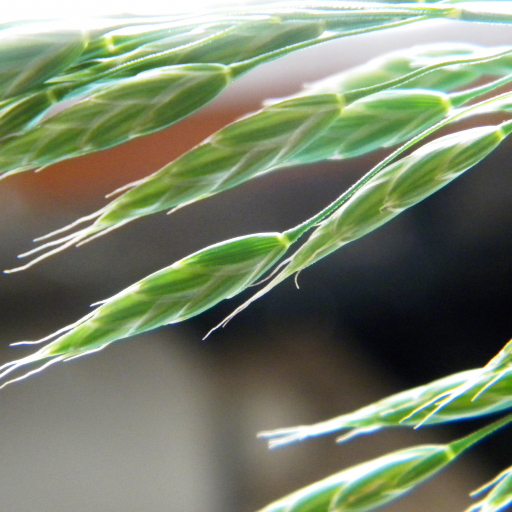
Often referred to as the Smooth Brome or Bald Brome, Bromus racemosus is a graceful, cool-season grass that paints a picture of classic European meadows. While it might look like a simple "weed" to the untrained eye, it plays a vital role in local ecosystems as a hardy pioneer plant. It is frequently found swaying in damp pastures and along roadsides, acting as a soft, green backdrop to more colorful wildflowers.
🔍 How to Identify
- 🌾 The Seed Heads: The panicles (flower clusters) are typically upright or slightly nodding, featuring tightly packed spikelets that give it a "heavier" look than some of its airy relatives.
- ✨ Silky Texture: Unlike many of its "hairy" cousins in the Brome family, the lemmas (the husks around the seeds) of this species are notably smooth and hairless, which is how it earned its common name.
- 🍃 Leaf Structure: The leaves are flat, relatively narrow, and a soft, bright green. They often have a slight "twist" to them as they grow upward from the base.
🏡 In Your Garden
- 🌱 The Opportunist: This plant isn't usually sold in nurseries; it is a "volunteer" that arrives on the wind or in bird droppings. It thrives in heavy, moist soils and is often an indicator that your ground holds onto water well.
- 🐄 Pasture Value: In a meadow setting, it is highly palatable to livestock when young. However, if you are looking for a perfectly manicured lawn, its tufted growth habit might make it stand out as an unwanted guest.
⚠️ Safety & Toxicity
- 🟢 Non-Toxic: Bromus racemosus is generally considered non-toxic to humans, dogs, cats, and horses.
- 👂 Physical Irritant: The main risk involves the dry seed heads (awns). Like many grasses, these can become lodged in a dog’s ears, paws, or nostrils during late summer walks, potentially causing irritation or infection if not removed.
✨ Fun Fact
The genus name Bromus is derived from the ancient Greek word broma, which means "food." While we don't eat it today, its ancestors were closely related to wild oats, and in ancient times, many Brome grasses were harvested as a survival grain during lean years.

Detailed Care Instructions
To grow Bromus racemosus, also known as the smooth bromegrass, follow these steps:
- Planting: Choose a suitable location with full sun to partial shade and well-draining soil. Smooth bromegrass can tolerate different soil types, including clay, loam, and sandy soils.
- Soil preparation: Prepare the soil by removing any weeds or debris and loosening it with a garden fork or tiller. Smooth bromegrass prefers slightly acidic to neutral soil (pH 6.0-7.0). If the soil is too alkaline, you can add organic matter or peat moss to help adjust the pH.
- Seeding: Smooth bromegrass is typically propagated through seeds. Broadcast the seeds evenly over the prepared soil at the recommended rate specified on the seed package. Lightly rake the seeds into the soil to ensure good seed-to-soil contact.
- Watering: Keep the soil consistently moist but not waterlogged during the germination period, which usually takes around 2-3 weeks. Once the grass is established, it is moderately drought-tolerant and requires minimal watering. However, during prolonged dry spells, you may need to water it occasionally.
- Fertilization: Apply a balanced slow-release fertilizer or compost in early spring to promote healthy growth. Avoid using excessive nitrogen, as it can lead to lush foliage but less robust root development.
- Maintenance: Smooth bromegrass is a low-maintenance plant. However, it is important to remove weeds that may compete for nutrients and space. Additionally, mow the grass to a height of 3-4 inches to encourage thick growth and discourage weeds.
- Winter care: Smooth bromegrass is cold-hardy and can withstand frost and snow. However, if you live in an extremely cold region, it may benefit from a layer of mulch or straw to protect it during severe winters.
- Division: Smooth bromegrass can be propagated through division. Dig up a clump of the grass and carefully separate it into smaller sections. Replant the divisions in prepared soil, ensuring they have sufficient space to grow.
By following these steps, you can successfully grow Bromus racemosus in your garden or landscape.

Place in a bright room that is sun drenched almost all day. Or directly in a south-facing window.

1. Ensure that the soil around the plant is moist but not waterlogged.
2. Water the plant deeply, allowing the water to penetrate at least 8 inches into the soil.
3. Water the plant sparingly in cooler months or during periods of low rainfall.
4. Avoid watering the plant during the hottest part of the day, as this can cause the water to evaporate before it reaches the roots.
5. Consider using a soaker hose or drip irrigation system to water the plant, as this will help ensure that the water reaches the roots and does not run off the surface of the soil.
To fertilize this plant, use a balanced fertilizer with equal amounts of nitrogen, phosphorus, and potassium. Apply the fertilizer to the soil around the base of the plant, following the recommended dosage and frequency on the label. It is best to fertilize during the plant's active growing period, which is typically in the spring and summer. Water the plant thoroughly after fertilizing to help distribute the nutrients. Avoid over-fertilizing, as this can lead to excessive growth and potential harm to the plant.
The best type of soil to use with this plant is one that is well-draining and rich in organic matter. It should be slightly alkaline with a pH level ranging from 6.5 to 7.5. The ideal soil texture is a loam with a good balance of sand, silt, and clay. Avoid heavy, compacted soils as they can restrict root growth. Additionally, the soil should be moist but not waterlogged. Adequate drainage is important to prevent the plant from rotting. The use of a soil conditioner or compost can also enhance the overall health and growth of the plant.
One effective way to propagate this plant is by collecting its seeds during the flowering period, which typically occurs in the late spring or early summer. The seeds should be collected from mature and healthy plants to ensure healthy offspring.
Once the seeds have been collected, they should be cleaned and dried before they are stored. A cool, dark place, such as a refrigerator, is a suitable location for storing the seeds until they are ready to be planted.
When it is time to plant the seeds, they should be sown in well-draining soil and kept consistently moist until they germinate. Lightly covering the seeds with soil or a fine layer of sand can help to ensure proper moisture retention and aid in their germination.
The young plants should be kept in a sunny area with consistent moisture and allowed to grow until they are large enough to be transplanted. At this point, they can be carefully lifted out of the soil and transplanted into a larger pot or directly into the ground.
To ensure the continued health and growth of the new plants, it is important to provide them with consistent care and proper conditions, including regular watering and fertilization as needed. With proper care, Bromus Racemosus plants can thrive and propagate, creating beautiful and vibrant additions to any garden or landscape.








