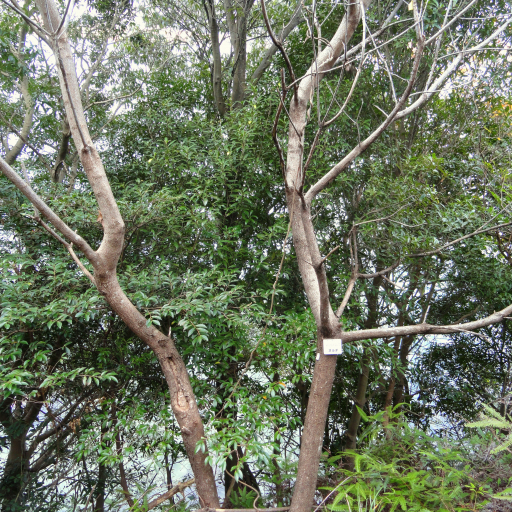
Plant Overview
Commonly known as the Java Brucea or Ya Dan Zi in traditional medicine, this hardy shrub is a native of Southeast Asia and Northern Australia. It has a storied history in folk medicine, often nicknamed the "Macassar Kernel," and is frequently found reclaiming disturbed forest edges and open fields. While it may look like an unassuming garden shrub, it carries a potent biological punch within its tiny, bitter fruits.
🔍 How to Identify
- 🌿 The Foliage: It features large, compound leaves arranged in pairs. Each leaflet is lance-shaped with distinctively jagged, saw-toothed edges and a slightly fuzzy texture on the underside.
- 🌸 The Flowers: Look for tiny, inconspicuous greenish-purple or reddish flowers. They grow in long, drooping clusters (panicles) that can reach up to 10 inches in length.
- 🍒 The Fruit: The most defining feature is the small, oval drupe. These fruits turn from green to a wrinkled, leathery black when ripe, looking somewhat like tiny, dried raisins or coffee beans.
🏡 In Your Garden
- 🌱 Adaptability: The Java Brucea is a pioneer species, meaning it is incredibly tough and loves to grow where other plants might struggle. It prefers well-draining soil and can handle a variety of pH levels, though it thrives best in tropical or sub-tropical warmth.
- 💧 Watering Nuance: While it enjoys humid environments, it has a sensitive root system that dislikes "wet feet." It is better to let the soil surface dry out slightly between waterings to prevent root rot, especially if kept in a container.
⚠️ Safety & Toxicity
- 🚫 High Toxicity: Every part of the Brucea Javanica—especially the seeds—is intensely bitter and contains quassinoids, which can be toxic if consumed without professional guidance.
- 🐾 Pets & Kids: This plant should be kept out of reach of children and pets. If ingested, it can cause severe gastrointestinal distress, including nausea, abdominal pain, and vomiting. Skin contact with the sap may also cause mild irritation in sensitive individuals.
✨ Fun Fact
In Traditional Chinese Medicine, the seeds are so legendarily bitter that they are often nicknamed "the medicine that makes you jump." To avoid the overwhelming taste, practitioners sometimes wrap the seeds in long-grain rice or specialized paper so they can be swallowed whole without touching the tongue!

Detailed Care Instructions
To grow Brucea Javanica plant, also known as Java Brucea, you can follow these steps:
- Climate and soil: Ensure you live in a tropical or subtropical climate, as the plant thrives in warm temperatures. The ideal soil type is well-draining and slightly acidic.
- Propagation: Brucea Javanica can be propagated through seeds or cuttings. Seeds can be purchased from nurseries or online. Soak the seeds in warm water for 24 hours before planting to enhance germination rates. Alternatively, you can take 6-8 inch-long stem cuttings from a healthy plant and remove the lower leaves.
- Planting: Select a location with sufficient sunlight exposure, preferably a spot that receives at least 6 hours of direct sunlight daily. Dig a hole twice the size of the root ball or cutting. Place the plant or cutting in the hole and backfill with soil, making sure the plants are well-anchored and stable.
- Watering: Keep the soil consistently moist but not waterlogged. Water the plant regularly, particularly during dry periods. Avoid overwatering as it can lead to root rot.
- Fertilization: Apply a balanced fertilizer once a month during the growing season. Follow the package instructions for the correct dosage.
- Pruning: Regularly trim the plant to maintain its shape and promote bushier growth. Pruning also helps remove any dead or diseased parts.
- Pest control: Monitor the plant for any signs of pests or diseases. Common pests that might affect Brucea Javanica include aphids, spider mites, and mealybugs. Use organic or chemical pest control methods if necessary.
- Harvesting: Brucea Javanica is typically harvested for its medicinal properties. The fruits, leaves, or bark can be harvested when ripe, depending on the intended use. Consult a local expert or refer to specific guides on how to properly harvest and prepare the parts of the plant you intend to use.
Remember to always conduct proper research and consult relevant resources or experts before using Brucea Javanica for any medicinal purposes.

Place in a bright room that is sun drenched almost all day. Or directly in a south-facing window.

Watering Brucea Javanica plant requires paying attention to certain details to ensure its proper growth and health. Here are some guidelines for watering this plant:
1. Assess the soil moisture: Before watering, it is important to check the moisture level of the soil. Stick your finger about an inch deep into the soil near the plant's base. If the soil feels dry, it's time to water; if it's still moist, you can wait a little longer.
2. Choose the right time: Watering the plant in the morning is generally recommended, as it allows excess moisture to evaporate throughout the day. Avoid watering during the hottest hours of the day, as the water may quickly evaporate, potentially leading to inadequate hydration.
3. Use the right amount of water: Brucea Javanica plant prefers to be evenly moist but not waterlogged. Adjust the amount of water according to the size of the plant and the climate in your area. Generally, a thorough watering session where the soil is moistened to a depth of about 4-6 inches should be sufficient.
4. Water at the base: When watering, direct the water to the base of the plant rather than overhead. This helps in preventing foliage diseases and ensures the water reaches the plant's root zone.
5. Ensure proper drainage: It is essential to provide good drainage for Brucea Javanica plants. Avoid allowing the plant to sit in standing water, as it can encourage root rot and other problems. Choose well-draining soil and make sure the pot or planting area has drainage holes.
6. Observe the plant's response: Monitor the plant for signs that indicate its watering needs. Wilting leaves, dry soil, or slow growth may signal the need for more water. On the other hand, yellowing leaves, mold, or excessively wet soil may indicate overwatering.
7. Adjust watering frequency: As the plant matures, its watering requirements may change. During the hot summer months, the plant may need more frequent watering, while during cooler periods, it may require less water. Monitor the soil moisture regularly and adjust accordingly.
Remember, these guidelines are general recommendations, and specific care requirements may vary depending on various factors such as climate, sunlight exposure, and the plant's stage of growth. Always observe your Brucea Javanica plant closely and make adjustments based on its unique needs.
Sure, here are some general fertilizing instructions for the Brucea Javanica plant:
- Choose a balanced fertilizer: Look for a balanced fertilizer that contains equal parts of nitrogen (N), phosphorus (P), and potassium (K). This will help provide the essential nutrients needed for overall plant growth.
- Dilute the fertilizer: Follow the instructions on the fertilizer package to determine the appropriate dilution ratio. Make sure to dilute the fertilizer with water to avoid causing harm to the plant.
- Timing: Apply the fertilizer during the active growing season, which is typically in spring and summer. Avoid fertilizing during the dormant period as the plant's nutrient requirements are lower.
- Frequency: Fertilize the Brucea Javanica plant once every 4-6 weeks. However, make sure to monitor the health and growth of the plant to avoid overfertilizing, as this can lead to nutrient burn or other issues.
- Application: Apply the diluted fertilizer around the base of the plant, avoiding direct contact with the foliage. Gently water the plant after fertilizing to ensure the nutrients reach the roots.
- Adjust based on plant response: Monitor the plant's response to the fertilizer. If you notice any adverse effects such as leaf burn or stunted growth, reduce the frequency or strength of the fertilizer application.
Remember, these are general instructions, and it's always recommended to follow any specific guidelines or recommendations provided by the plant nursery or manufacturer for optimal results.
The ideal soil for Brucea Javanica plant should be well-draining and rich in organic matter. It should have a slightly acidic to neutral pH level ranging from 6.0 to 7.0. This type of soil will provide a suitable environment for the plant's roots to grow and absorb nutrients efficiently. Additionally, it is recommended to ensure the soil is free from any contaminants or pollutants that may inhibit the plant's growth. Regularly testing the soil and amending it as needed with compost or other organic materials can help maintain its structure and fertility.
Propagation of Brucea Javanica involves several methods, including seed propagation, stem cuttings, and division. Here are the steps for each method:
- Seed Propagation:
- Gather mature fruits from a Brucea Javanica plant. These fruits are small and usually turn black when ripe.
- Extract the seeds from the fruits by opening them carefully. The seeds are dark brown and have a hard shell.
- Soak the seeds in water for about 24 hours to soften the seed coat.
- Prepare a seed tray or pot filled with a well-draining potting mix.
- Sow the seeds on the surface of the soil and lightly cover them with a thin layer of soil.
- Place the tray or pot in a warm and moist environment, ideally with a temperature around 25-30°C (77-86°F).
- Water the seeds regularly, keeping the soil consistently moist but not waterlogged.
- After a few weeks, you should start to see seedlings emerging from the soil. Allow them to grow until they reach a suitable size for transplantation.
- Gather mature fruits from a Brucea Javanica plant. These fruits are small and usually turn black when ripe.
- Stem Cuttings:
- Select a healthy Brucea Javanica plant and identify a suitable stem to use for propagation. The stem should be semi-woody and about 5-10 cm (2-4 inches) long.
- Using a sterilized sharp knife or pruners, cut the stem just below a leaf node. A leaf node is where a leaf joins the stem.
- Remove the lower leaves from the cutting, leaving only a few leaves at the top.
- Dip the cut end of the stem into a rooting hormone powder or gel to encourage root formation.
- Fill a small pot or container with a well-draining potting mix and make a hole in the center.
- Insert the prepared cutting into the hole, ensuring that at least half of the stem is buried in the soil.
- Firmly press the soil around the cutting to provide stability.
- Place the pot in a warm and bright location, avoiding direct sunlight.
- Water the cutting regularly, keeping the soil consistently moist but not waterlogged.
- After a few weeks, roots should start to develop, and new growth will be visible. At this point, you can consider transplanting the rooted cutting into a larger container or directly into the garden.
- Select a healthy Brucea Javanica plant and identify a suitable stem to use for propagation. The stem should be semi-woody and about 5-10 cm (2-4 inches) long.
- Division:
- Choose an established Brucea Javanica plant that has multiple clumps or a spreading habit.
- Carefully dig up the entire plant, including the root system, using a garden fork or shovel.
- Gently separate the clumps by pulling them apart or using a sharp knife or pruners to divide the plant into smaller sections. Each divided section should have its own set of roots and shoots.
- Prepare a new planting site or pot with well-draining soil.
- Plant each divided section into its own prepared spot, ensuring that the root system is adequately covered with soil.
- Water the newly planted divisions thoroughly to settle the soil and promote root establishment.
- Place the divisions in a suitable location with partial shade for a few weeks to allow them to recover and establish themselves.
By following these propagation methods, you can successfully propagate Brucea Javanica and expand your collection of this plant.
- Choose an established Brucea Javanica plant that has multiple clumps or a spreading habit.








