Plant Overview
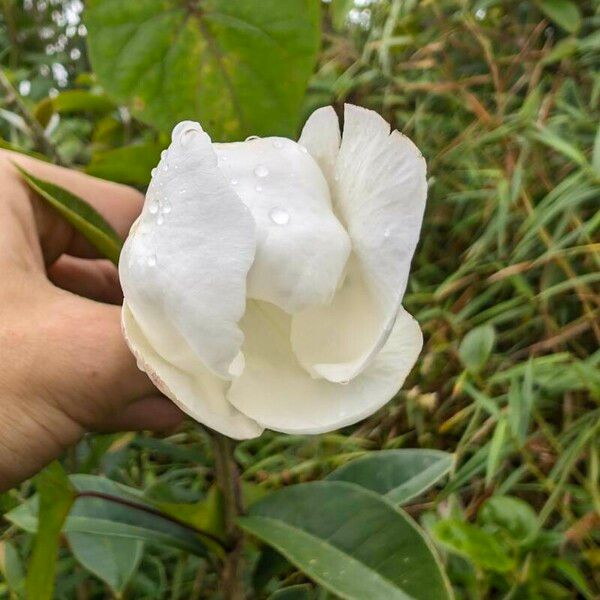
Known as the "Lady of the Night" or "Princess of the Night," Brunfelsia lactea is a ghostly beauty native to the tropical forests of Puerto Rico. This elegant shrub is legendary among gardeners for its ethereal, trumpet-shaped flowers that remain modest during the day but release an intoxicating, spicy fragrance the moment the sun sets. It is a staple for "moon gardens," where its pale blossoms seem to glow under the moonlight.
🔍 How to Identify
- 🌸 Shifting Colors: The flowers are long and tubular, emerging as a pristine, snowy white before gradually fading to a delicate creamy yellow as they age.
- 🍃 Leathery Foliage: Its leaves are thick, waxy, and dark green, typically growing in an elliptical shape that provides a lush, evergreen look year-round.
- 🌳 Compact Structure: It grows as a slow-moving, woody shrub, usually reaching 3 to 7 feet in cultivation, though it can become a small tree in its native Caribbean habitat.
🏡 In Your Garden
- 🌤️ Filter the Light: In the wild, this plant lives under the forest canopy. In a garden setting, it craves "dappled" sunlight; too much direct afternoon sun can bleach the leaves, while too much shade will prevent it from blooming.
- 🪴 Sensitive Roots: Brunfelsia lactea is known for being a bit of a homebody. It dislikes being transplanted or having its roots disturbed, so choose its permanent spot carefully to avoid "transplant shock."
- 💧 Humidity Lover: Coming from the Caribbean, it thrives in high humidity. If you live in a dry climate, regular misting or a humid position near a water feature will keep its foliage glossy and healthy.
⚠️ Safety & Toxicity
- 🚫 Highly Toxic: Like many members of the Nightshade (Solanaceae) family, all parts of this plant—especially the berries and roots—contain potent alkaloids.
- 🐾 Danger to Pets: Ingestion by dogs, cats, or horses can lead to "Brunfelsia poisoning," characterized by tremors, drooling, and seizures. It is best planted in areas inaccessible to curious pets or small children.
✨ Fun Fact
The intense nighttime fragrance isn't just for show—it is a specific evolutionary "dinner bell" for Hawkmoths. These nocturnal pollinators have exceptionally long tongues designed to reach the nectar hidden deep at the base of the plant's long floral tubes.

Detailed Care Instructions







