Plant Overview
Known widely as the Tepozán or the Mexican Butterfly Bush, Buddleja cordata is a majestic, tree-like relative of the common garden butterfly bush. Unlike its smaller purple cousins, this species can reach the heights of a small house, creating a silver-green canopy draped in honey-scented blossoms. In its native Mexico, it has been cherished for centuries not just for its beauty, but as a staple in traditional medicine and a vital "pioneer plant" that heals scarred landscapes.
🔍 How to Identify
- 🍃 The Foliage: The leaves are distinctively heart-shaped (where the name cordata comes from) and carry a dual personality: dark green and smooth on top, but covered in a thick, silvery-white "fuzz" or wool on the underside.
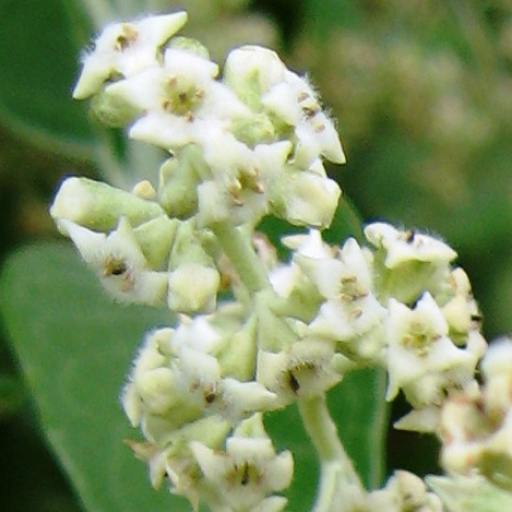
- 🌼 The Blooms: It produces long, upright clusters of tiny, bell-shaped flowers that range from creamy white to a soft, pale yellow, emitting a heavy, sweet fragrance that can fill an entire yard.
- 🌳 Growth Habit: Unlike common shrubs, this is a woody perennial that develops a thick, fissured trunk and a broad, rounded crown, often reaching up to 30 feet in height.
🏡 In Your Garden
- ⛰️ The Pioneer Spirit: This plant is incredibly resilient and is often the first to grow back after a forest fire or landslide. In your garden, this translates to a plant that is unfussy about soil quality, provided it has excellent drainage.
- 🦋 Pollinator Magnet: While humans love the scent, the "Butterfly Bush" nickname is well-earned. It serves as a high-energy nectar station for bees, hummingbirds, and a vast array of local butterflies.
- ✂️ Space Management: Because it grows rapidly and can become quite large, it requires thoughtful placement. It’s best used as a privacy screen or a focal specimen tree rather than a small border plant.
⚠️ Safety & Toxicity
- ✅ General Safety: Buddleja cordata is generally considered non-toxic to humans, dogs, and cats. It is a safe choice for family gardens.
- 🐟 Aquatic Precaution: Like many members of the Buddleja family, the leaves contain saponins. While harmless to touch, you should avoid planting it directly over fish ponds, as falling leaves can irritate the gills of fish if they accumulate in the water.
✨ Fun Fact
In Mexican folklore and traditional herbalism, the Tepozán is known as a "cooling" plant. Its leaves were historically applied as poultices to reduce fevers and treat skin sores, acting as a natural pharmacy for rural communities for generations.

Detailed Care Instructions
To grow Buddleja Cordata plant, also known as the yellow butterfly bush, follow these steps:
- Choose the right location: Buddleja Cordata prefers full sun to partial shade, so find a spot in your garden that gets at least 6 hours of direct sunlight per day. It also tolerates a range of soil types, but well-drained soil is ideal.
- Prepare the soil: Clear the area of any weeds or grass and loosen the soil using a garden fork or tiller. Add organic matter like compost or aged manure to enrich the soil and improve drainage if needed.
- Planting: Dig a hole that is slightly larger than the root ball of your Buddleja Cordata plant. Place the plant in the hole, making sure the top of the root ball is level with or slightly above the soil surface. Backfill the hole with soil and firm it gently around the plant, avoiding excessive compaction.
- Watering: Water the newly planted Buddleja Cordata thoroughly to settle the soil and eliminate any air pockets. Afterward, water deeply and regularly, especially during dry periods, to keep the soil consistently moist but not waterlogged.
- Mulching: Apply a layer of organic mulch around the base of the plant, such as wood chips or straw. This helps retain moisture, prevent weed growth, and regulate soil temperature.
- Fertilizing: Buddleja Cordata does not typically require heavy fertilization. However, you can apply a slow-release balanced fertilizer in early spring or use compost as a natural fertilizer.
- Pruning: If desired, you can prune your Buddleja Cordata plant in early spring to promote bushy growth and maintain its shape. Cut back any dead or damaged branches, and trim back about one-third of the plant's overall size.
- Pests and diseases: Buddleja Cordata is generally resistant to pests and diseases. However, keep an eye out for common garden pests like aphids or spider mites, and treat them accordingly if necessary.
- Winter protection: In colder climates, Buddleja Cordata may require some winter protection. Apply a thick layer of mulch around the base of the plant to insulate the roots, and consider wrapping the plant with burlap or a protective cover during severe winter weather.
- Enjoy the blooms: Buddleja Cordata produces beautiful yellow flowers that attract butterflies and other pollinators. Sit back and enjoy the display while the plant brings color and wildlife to your garden.

Place in a bright room that is sun drenched almost all day. Or directly in a south-facing window.

Buddleja Cordata can be watered deeply and thoroughly, but only when the top inch of soil is dry to the touch. Overwatering may cause root rot and other issues, so it's important to check soil moisture levels regularly. When watering, aim for the soil around the root zone rather than the leaves and flowers. It's recommended to use a watering can or drip irrigation system to avoid disturbing the plant's delicate root system. During the winter months, reduce watering as the plant goes into dormancy.
To fertilize this plant, use a slow-release fertilizer in the early spring before new growth appears and again in mid-summer. Apply the fertilizer around the base of the plant and water thoroughly. Avoid fertilizing in late fall or winter as it may stimulate new growth that could be damaged by cold temperatures.
The optimal soil for the Buddleja Cordata plant should be well-draining, fertile, and have a slightly acidic pH level ranging between 5.5 to 7.0. It requires a soil rich in organic matter and adequate moisture. A mix of loam and sandy soil with the addition of compost or aged manure is ideal for this plant. It is also important to avoid using heavy clay soil, as this can lead to waterlogging and poor plant growth. Regular fertilization with a balanced fertilizer is recommended to maintain healthy growth and beautiful blooms.
To propagate this plant, you will need to take stem cuttings from a healthy adult plant during the spring or summer season. Use sterilized pruning shears to make a clean cut just below a leaf node. Each cutting should be about 4-6 inches long.
Remove the leaves from the bottom 2 inches of the cutting and dip the cut end into rooting hormone powder. Plant the cutting in a well-draining potting soil mix and water thoroughly. Cover the pot with a plastic bag to create a humid environment.
Place the pot in a bright, warm location but avoid direct sunlight. Mist the cutting occasionally to maintain humidity and keep the soil moist but not soggy.
After about 4-6 weeks, the cutting should start to develop roots and new growth. Once the roots are well-established, you can transplant the new plant into a larger container or into your garden bed.
As the new plant continues to grow, you can prune it back to encourage bushier growth and more blooms. With proper care, your newly propagated Buddleja Cordata plant should thrive and add beauty to your landscape.








