Plant Overview
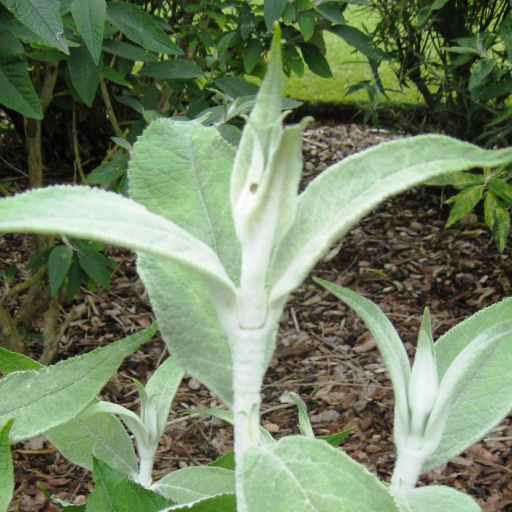
Known as the Snowy Butterfly Bush, this Chinese native looks as though it has been dusted with a fresh layer of frost even in the heat of midsummer. While its cousins are famous for their neon-bright blooms, Buddleja nivea is prized by collectors for its ethereal, silver-velvet foliage. It is a structural masterpiece, adding a ghostly, shimmering texture to any landscape it inhabits.
🔍 How to Identify
- ❄️ Woolly Stems: The most striking feature is the thick, white, felt-like coating (tomentum) that covers the young stems and branches.
- 🍃 Bicolor Leaves: The large, lance-shaped leaves are a deep forest green on top but have a brilliant, snowy-white underside that flashes in the wind.
- 🍇 Lavender Spikes: In late summer, it produces slender terminal spikes of pale purple flowers that appear almost "muffled" by the surrounding silver fuzz.
🏡 In Your Garden
- 🦋 Pollinator Paradise: True to its name, it is a magnetic nectar source for butterflies and bees, though its aesthetic is much more "wild" and architectural than the common garden-center varieties.
- ✂️ Vigorous Growth: This plant is a fast grower and can quickly dominate a space. It requires a hard prune in early spring because it blooms on new wood; without pruning, it can become quite leggy and sparse at the base.
- ☀️ Drought Adaptation: Those silver hairs aren't just for looks—they reflect intense sunlight and trap moisture, making this a remarkably drought-tolerant choice once the root system is established.
⚠️ Safety & Toxicity
- ✅ Generally Safe: Buddleja nivea is not listed as a toxic plant for humans or common household pets like dogs and cats.
- 🌿 Skin Sensitivity: While not poisonous, the tiny woolly hairs on the leaves can occasionally cause mild skin or eye irritation for sensitive individuals during heavy pruning.
✨ Fun Fact
The species name nivea is derived from the Latin word for "snow-white." In its native high-altitude habitats in China, this thick "wool" acts as a natural sunscreen and a thermal blanket, protecting the plant from extreme temperature swings.

Detailed Care Instructions
To grow Buddleja Nivea plant, also known as the White Butterfly Bush, you can follow these steps:
- Choose a suitable location: Select a spot in your garden that receives full sun for at least 6 hours a day. Buddleja Nivea prefers warm temperatures and well-draining soil.
- Prepare the soil: Ensure the soil is well-draining by mixing in organic matter like compost or aged manure. This will help improve the soil's fertility and drainage.
- Planting: Dig a hole that is slightly larger than the root ball of the Buddleja Nivea plant. Place the plant in the hole and backfill with soil, gently firming it around the base. Leave enough space between multiple plants to allow for their growth.
- Watering: Water the plant deeply right after planting to help establish the roots. After that, water regularly, keeping the soil consistently moist but not overly saturated. The plant can tolerate some drought, but it prefers consistent moisture.
- Mulching: Apply a layer of organic mulch around the base of the plant to help retain soil moisture, suppress weed growth, and regulate soil temperature.
- Pruning: Prune the plant in early spring or late winter to keep it in shape and promote better growth. Remove any dead or damaged wood and cut back up to one-third of the branches to encourage new growth.
- Fertilizing: Apply a balanced, slow-release fertilizer once in early spring and once in late summer to provide necessary nutrients for the plant.
- Pests and diseases: While Buddleja Nivea is generally pest-resistant, aphids and caterpillars may occasionally attack the plant. Monitor for any signs of pests and address them using organic insecticides if necessary.
- Propagation: Buddleja Nivea can be propagated through softwood or hardwood cuttings. Take a 6-inch cutting from the plant, remove the lower leaves, dip the cutting in a rooting hormone, and place it in a well-draining potting mix. Keep the cutting moist and provide it with bright, indirect light until it establishes roots.
By following these steps, you can successfully grow Buddleja Nivea plant in your garden and enjoy its beautiful white flowers that attract butterflies and other pollinators.
Buddleja Nivea is a plant that requires a moderate amount of water to thrive. To water this plant effectively, follow these steps:
- Check the moisture levels: Before watering, examine the soil moisture level by inserting your finger about an inch deep into the soil. If it feels dry, it is an indication that the plant is ready to be watered.
- Choose the right time: Water the Buddleja Nivea plant early in the morning or late in the evening when the temperature drops, as this reduces the risk of evaporation and allows the water to penetrate the soil effectively.
- Use a suitable watering method: One of the best ways to water this plant is to use a watering can or a garden hose with a gentle spray nozzle. This prevents excessive force that could damage the plant's delicate foliage and root system.
- Water the root zone: Direct the water towards the root zone of the plant, ideally at the soil level. This ensures that the roots receive adequate moisture. Avoid watering the leaves as it can encourage the growth of fungal diseases.
- Provide a thorough watering: Ensure that the water penetrates the soil deeply to promote healthy root growth. Water until you see the moisture seeping out from the drainage holes at the bottom of the plant's container.
- Frequency of watering: Buddleja Nivea plants require watering once or twice a week, depending on the prevailing weather conditions. During hot and dry periods, you may need to increase the frequency, and during rainy or cooler periods, reduce the watering accordingly.
- Monitor for underwatering or overwatering: Regularly monitor the plant for signs of underwatering, such as wilting or drying out of the leaves, and adjust the watering routine if necessary. On the other hand, if you notice waterlogged soil or yellowing leaves, it may indicate overwatering. In such cases, reduce the frequency of watering.
By following these guidelines, you can ensure that your Buddleja Nivea plant receives the appropriate amount of water, promoting its overall health and growth.
To fertilize Buddleja Nivea, use a balanced and slow-release fertilizer to promote healthy growth. Follow these instructions:
- Choose a fertilizer with an NPK ratio close to 10-10-10 or 20-20-20. This means the fertilizer contains equal proportions of nitrogen (N), phosphorus (P), and potassium (K).
- Apply the fertilizer in early spring, just before new growth appears. This is usually during late February or early March, depending on your region.
- Dilute the fertilizer according to the packaging instructions. Typically, mix 1 to 2 tablespoons of fertilizer in 1 gallon (3.8 liters) of water.
- Water the soil around the base of the plant thoroughly before applying the fertilizer. This helps the fertilizer to penetrate the soil and reach the plant's roots effectively.
- Slowly pour the diluted fertilizer mixture around the plant's base, avoiding direct contact with the foliage. Aim to distribute the fertilizer evenly in the root zone.
- Avoid excessive fertilization. Over-fertilization can result in excessive vegetative growth but fewer flowers. It may also harm the plant by causing nutrient imbalances or root burn.
- After applying the fertilizer, water the plant again to wash any fertilizer residue off the foliage and ensure thorough absorption into the soil.
- Repeat the fertilization process once more after a month or six weeks if desired. However, be cautious not to over-fertilize.
Remember to always refer to the specific instructions on the fertilizer packaging for accurate and detailed information suitable for your Buddleja Nivea plant.
When selecting soil for a Buddleja Nivea plant, it is important to consider its specific requirements. This plant thrives in well-draining soil that is rich in organic matter. The soil should ideally have a pH level ranging from slightly acidic to slightly alkaline.
To create the optimal soil environment for Buddleja Nivea, it is recommended to mix regular garden soil with compost or well-rotted manure. This will increase moisture retention while also providing essential nutrients for the plant's growth and development.
It is crucial to ensure that the soil is well-draining, as waterlogged conditions can cause root rot and damage to the plant. High clay content in the soil can hinder drainage, so amending it with materials like sand or perlite can help improve drainage.
Additionally, the soil should be loose and friable to promote root growth and allow for good air circulation. Aeration is essential for the health of the plant, as it enhances nutrient uptake and prevents the risk of root diseases.
Lastly, regular soil moisture checks are necessary for Buddleja Nivea. Although it prefers well-drained soil, consistent watering is still crucial, especially during dry spells. Mulching the soil surface with organic mulch like wood chips or bark can help retain moisture and regulate the soil temperature.
By choosing the appropriate soil for a Buddleja Nivea plant, you can provide it with the ideal growing conditions, supporting its overall health and vigor.
Propagation of Buddleja nivea can be accomplished through various methods such as seeds, cuttings, layering, and division.
- Seeds: Collect mature seeds from the plant. Sow them in well-draining seed-starting mix, covering them lightly with soil. Maintain a temperature of around 70-75°F (21-24°C) and keep the soil consistently moist. Germination can take anywhere from a few weeks to several months. Once the seedlings have grown, transplant them into individual pots before eventually moving them to their permanent location.
- Cuttings: Take semi-hardwood cuttings during late spring or early summer. Select healthy stems that have started to slightly harden but are not completely woody. Cut a 4-6 inch (10-15 cm) section of the stem just below a leaf node. Remove the lower leaves and dip the cut end into rooting hormone powder. Plant the cutting in a container filled with a well-draining potting mix, keeping it watered and in a partially shaded location. Roots should develop in 4-6 weeks, at which point you can transplant the cutting to a larger pot or directly into the ground.
- Layering: Choose a low-growing branch, preferably one that is flexible and can be bent easily. Dig a shallow trench near the parent plant, around 6-8 inches (15-20 cm) deep. Wound the selected branch slightly by scraping the bottom section and pin it down into the prepared trench using a U-shaped wire pin or a small stone. Cover the branch with soil, leaving the tip exposed. In around 6-12 months, roots should develop from the wounded section. Once rooted, sever the layered branch from the parent plant and transplant it to its desired location.
- Division: Mature Buddleja nivea plants can be divided every few years during spring or fall. Carefully dig up the plant, trying not to damage the roots. Using a sharp, sterile knife or garden spade, divide the plant into several sections, ensuring each division has enough roots and healthy growth. Replant the divisions in well-prepared soil, making sure to water them thoroughly.
Regardless of the propagation method chosen, it is generally recommended to provide the newly propagated plants with proper care, including regular watering, adequate sunlight for growth, protection from extreme weather conditions, and regular fertilization to encourage healthy growth.








