Plant Overview
Often referred to as the Fernleaf Copal or Copal Blanco, Bursera bipinnata is a sacred tree deeply rooted in the history of Mexico and Central America. For centuries, its aromatic resin has been harvested to create "Copal" incense, used by the Aztecs and Mayans to bridge the gap between the earthly and spiritual realms. In a garden or collection, it stands out for its elegant, lacy foliage and its "pachycaul" (thick-stemmed) growth habit, making it a favorite for bonsai enthusiasts.
🔍 How to Identify
- 🌿 The Foliage: Unlike many other Bursera species, this one features "bipinnate" leaves, which means the leaflets are divided twice, giving the tree a soft, feathery appearance similar to a fern.
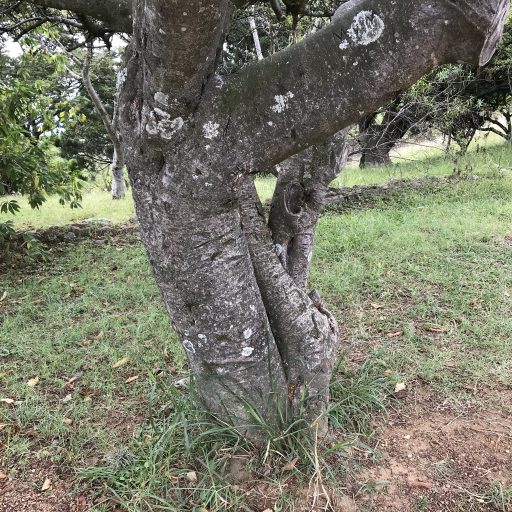
- 🪵 The Bark: The trunk is typically smooth and grayish-brown, occasionally peeling in thin, papery flakes as it matures to reveal a green photosynthetic layer underneath.
- 👃 The Scent: If a leaf is crushed or the bark is lightly nicked, the tree releases a sharp, refreshing, and citrus-like resinous fragrance that is unmistakable.
🏡 In Your Garden
- ☀️ Sun Seeker: This plant is a true child of the dry tropical forest; it craves intense light and heat. If grown indoors, a south-facing window is a must to prevent the stems from becoming leggy and weak.
- 🏜️ Drainage is Vital: It has a natural "succulent" strategy, storing water in its thickened trunk. Because of this, it is highly prone to root rot if left in heavy, wet soil. Always use a gritty, cactus-like potting mix and avoid "over-mothering" it with frequent watering.
- 🍂 Winter Dormancy: Don't panic if it drops all its leaves in the winter! This is a natural survival mechanism. During this period, the plant needs almost no water until new green buds appear in the spring.
⚠️ Safety & Toxicity
- 🛡️ Low Toxicity: Bursera bipinnata is generally considered non-toxic to humans and common household pets if accidentally nibbled.
- 💧 Skin Sensitivity: The sticky resin produced by the tree can be a skin irritant for some individuals. If you are pruning the tree, it is wise to wear gloves to avoid the tacky sap, which can be difficult to wash off and may cause a mild rash.
✨ Fun Fact
In ancient Mesoamerican culture, Copal resin was nicknamed "the blood of trees." It was considered so precious that it was offered to the gods in the same way human blood was, used to "feed" the deities through its fragrant smoke.

Detailed Care Instructions
To grow a Bursera Bipinnata plant, also known as the torchwood tree or Mexican elephant tree, follow these steps:
- Climate: Make sure you live in a suitable climate for this plant. Bursera Bipinnata thrives in dry, warm climates, such as the southwestern United States, Mexico, and Central America.
- Watering: Provide regular watering during the plant's establishment phase, but be cautious not to overwater. Once established, this tree is highly drought-tolerant and does not require frequent watering.
- Sunlight: Choose a sunny location with full sunlight exposure. The torchwood tree prefers at least six hours of direct sunlight each day.
- Soil: Bursera Bipinnata prefers well-draining soil. Make sure the soil is not compacted or retains too much moisture. Sandy or loamy soil types are ideal for optimal growth.
- Planting: Dig a hole that is twice as wide and as deep as the root ball of the sapling. Place the young tree into the hole, ensuring it is planted at the same depth it was growing in the nursery container. Gently fill the hole with soil, firming it around the roots. Water the plant thoroughly after planting.
- Mulching: Apply a layer of organic mulch around the base of the tree to help conserve moisture, suppress weed growth, and insulate the roots. Leave a gap between the mulch and the trunk to prevent rot.
- Pruning: Light pruning may be carried out to shape the tree and remove any dead or damaged branches. It is best to do this during the dormant season in late winter or early spring.
- Maintenance: Monitor the moisture level in the soil and water the tree during extended dry periods. Avoid overwatering, as this can lead to root rot.
- Fertilization: Bursera Bipinnata does not require regular fertilization. However, you can apply a slow-release, balanced fertilizer in early spring to provide some nutrients.
- Pests and diseases: This plant is generally resistant to pests and diseases. However, occasionally, it can be susceptible to fungal infections. Ensure good air circulation around the tree and avoid overhead watering to minimize the risk.
Remember that Bursera Bipinnata is a slow-growing tree that can take several years to reach maturity. Be patient and provide the necessary care, and you will be rewarded with a beautiful and unique addition to your garden.

Place in a bright room that is sun drenched almost all day. Or directly in a south-facing window.

Bursera Bipinnata is a type of plant that requires a moderate amount of watering. The best way to water this plant is to wait until the soil is slightly dry and then water it thoroughly. It is important to avoid over-watering the plant, as this can lead to root rot and other issues.
To ensure proper watering, it is recommended to use a watering can or hose with a gentle flow to avoid disturbing the soil around the roots. It is also important to make sure that the water is reaching all parts of the root system.
During the summer months, when the plant is actively growing, it may require more frequent watering. However, during the winter months, when growth slows down, it may need less water.
Overall, it is important to monitor the soil moisture levels and adjust watering accordingly. With proper care and attention, Bursera Bipinnata can thrive and grow into a beautiful and healthy plant.
To fertilize this plant, use a balanced fertilizer with equal parts nitrogen, phosphorus, and potassium. Apply the fertilizer during the growing season, or spring and summer. Water the plant before and after fertilizing to avoid fertilizer burn. Follow the manufacturer's instructions for the amount of fertilizer to use and how often to apply it. Avoid over-fertilizing as it can harm the plant and the surrounding environment.
The best soil to use for this plant is a well-draining soil that is slightly acidic with a pH level ranging from 6 to 7. It should also be a rich, fertile soil that is loose and has a good amount of organic matter. The plant prefers sandy loam soils that are slightly moist but still well-draining. It is important to avoid heavy clay soils, as they can cause root rot. When potting the plant, it is recommended to add perlite or vermiculite to the soil mix to improve drainage. Additionally, the plant prefers to be grown in full sun to partial shade, so it is important to consider the location of the plant when selecting the soil.
To propagate this plant, you will need to start by collecting seeds. Once you have the seeds, you will need to scarify them to remove the hard outer coating. This can be done by soaking them in hot water for a few hours or by rubbing them with sandpaper.
Once the seeds have been scarified, they can be planted in well-draining soil, either in small pots or directly in the ground. It is important to water the seeds regularly and keep them in a warm, sunny spot.
After a few weeks, the seeds should begin to germinate. As the seedlings grow, they can be transplanted into larger pots or moved to their permanent location in the ground. It is important to continue to water them regularly and provide them with plenty of sunlight.
Once the plants are established, they will begin to produce new shoots and leaves. These can be propagated by taking stem cuttings and rooting them in water or in soil. With proper care, your Bursera Bipinnata plant will continue to thrive and produce new growth for years to come.








