Plant Overview
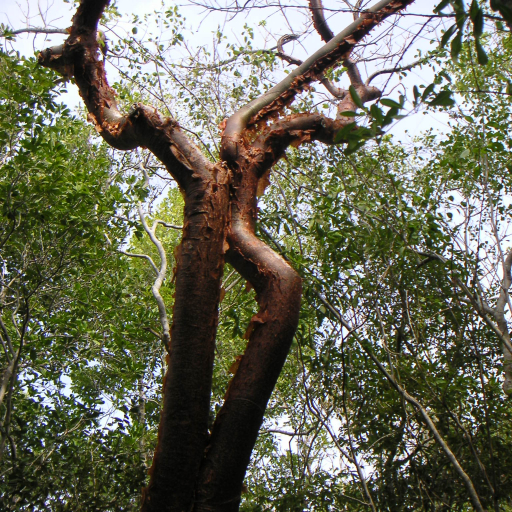
Known colloquially as the "Tourist Tree" because its peeling red bark resembles the sunburnt skin of a vacationer, the Gumbo Limbo is a charismatic staple of tropical landscapes. It is celebrated as one of the most wind-tolerant trees in the world, often standing tall while others fall during intense hurricanes. Beyond its resilience, it is a "giving tree," providing resin, medicine, and food for countless migratory birds.
🔍 How to Identify
- 🧱 The Bark: The most distinct feature is its thin, copper-colored bark that flakes off in translucent, papery sheets to reveal a smooth, pea-green under-layer.
- 🪶 The Leaves: It features glossy, bright green compound leaves. Each leaf typically consists of 7 to 11 oval leaflets arranged symmetrically along a central rib.
- 💧 The Resin: When a leaf is plucked or the bark is nicked, the tree bleeds a thick, clear sap that emits a sharp, pleasant aroma similar to turpentine or citrus.
🏡 In Your Garden
- 🌪️ Hurricane Hero: Because of its flexible wood and deep-rooting habit, this tree is a "must-have" for coastal regions prone to high winds. It acts as a natural windbreak for smaller, more delicate garden plants.
- 🕊️ Bird Magnet: The tree produces small, red, diamond-shaped fruits. These are packed with lipids, making the Gumbo Limbo a vital "refueling station" for birds migrating between North and South America.
- 🪴 Low Maintenance: Once established, it is incredibly drought-tolerant and thrives in poor, rocky soils where other trees might struggle. It prefers plenty of "breathing room" to show off its wide, spreading canopy.
⚠️ Safety & Toxicity
- ✅ Low Risk: The Gumbo Limbo is generally considered non-toxic to humans, dogs, and cats.
- 🍯 Sticky Situation: While not poisonous, the resin is incredibly sticky. If a pet brushes against a fresh wound on the tree, the sap can be difficult to wash out of fur. Some individuals with high sensitivity may experience mild skin redness from contact with the sap.
✨ Fun Fact
🩹 Nature’s Antidote: In the wild, the Gumbo Limbo is almost always found growing near the Poisonwood tree. This is a stroke of botanical luck, as the sap of the Gumbo Limbo is traditionally used as a topical remedy to neutralize the painful, blistering rash caused by the Poisonwood!

Detailed Care Instructions
To grow a Bursera Simaruba plant, also known as the Gumbo Limbo or West Indian Birch, follow these steps:
- Purchase a healthy seedling or sapling from a reputable nursery or online plant retailer. Alternatively, you can collect seeds from mature Bursera Simaruba trees if they are available in your area.
- Select a suitable location for planting. The Bursera Simaruba plant thrives in full sun or partial shade and can tolerate a variety of soil types, including sandy, rocky, and calcareous soils.
- Prepare the planting site by clearing away any weeds or debris and ensuring good drainage.
- Dig a hole that is slightly wider and deeper than the root ball of the seedling or sapling.
- Place the plant in the hole, making sure the top of the root ball is level with the soil surface. Gently backfill the hole with soil, firming it lightly as you go to remove air pockets.
- Water the plant thoroughly after planting to ensure proper hydration. Additionally, provide regular watering during dry periods, especially during the establishment phase.
- Mulch around the base of the plant with a layer of organic mulch, such as wood chips or shredded bark. This helps conserve moisture, suppress weeds, and improve soil health.
- Prune the plant regularly to maintain its shape and remove any dead, diseased, or crossed branches. Pruning is best done during the dormant season, usually in early spring.
- Fertilize the Bursera Simaruba plant with a balanced slow-release fertilizer once or twice a year in spring and summer. Follow the instructions on the fertilizer packaging for appropriate application rates.
- Monitor the plant for pests or diseases and take appropriate action if necessary. Common pests that may affect Bursera Simaruba include scale insects, spider mites, and caterpillars.
- Provide support for young plants in windy areas by staking them until they become established.
Remember, growing a Bursera Simaruba plant requires patience and proper care. It may take several years for the plant to reach its full potential, but with proper attention, it can be a beautiful addition to your garden.

Place in a bright room that is sun drenched almost all day. Or directly in a south-facing window.

When watering this plant, it is important to consider its natural environment and watering needs. The soil should be allowed to dry out slightly between waterings to prevent overwatering and potential root rot. The plant should be watered deeply but infrequently, with enough water to thoroughly saturate the soil, but not so much that it becomes waterlogged. It is also important to avoid getting water on the leaves or trunk, as this can increase the risk of fungal infections. When determining when to water this plant, it is best to monitor the moisture level of the soil with a moisture meter or by checking the soil with a finger to test for dryness. The watering frequency may need to be adjusted seasonally, as the plant's water needs may change depending on the temperature and humidity levels in the environment.
To fertilize this plant, choose a fertilizer that is high in nitrogen and potassium but low in phosphorus. Apply a balanced fertilizer at a rate of 1/4 teaspoon per gallon of water every third watering during the growing season from early spring to late summer. Reduce the frequency of fertilization during the fall and winter, stopping altogether during the dormant period. Always water the plant thoroughly after fertilization to avoid the risk of burning the roots.
The ideal soil for Bursera Simaruba plant is a well-draining soil with good moisture retention. It should be rich in nutrients, with a slightly acidic to neutral pH range of 6.0 to 7.0. A mixture of sandy loam, peat moss, and perlite is recommended, with a 1:1:1 ratio for best results. It is important to avoid compacted soils that could suffocate the roots. Additionally, it is recommended to provide periodic fertilization with a balanced plant food to help promote optimal growth.
Bursera simaruba can be propagated through seed or cuttings.
Propagation through seeds:
- Collect the seeds from a mature Bursera simaruba plant during the fall season when the fruit is ripe and the seeds have fully matured.
- Clean the seeds and remove any debris from the fruit.
- Soak the seeds in warm water for 24 hours prior to planting.
- Fill a container with damp soil and plant the seeds about an inch deep.
- Keep the container in a warm and humid location with indirect sunlight.
- Water the soil regularly to maintain moisture. Germination can take up to a few weeks to a few months.
Propagation through cuttings:
- Select a healthy and mature stem from a Bursera simaruba plant.
- Cut a 6-8 inch stem section from a branch with sharp clean scissors or pruning shears.
- Remove the bottom leaves and any flowers or buds on the stem.
- Dip the cut end of the stem in rooting hormone powder.
- Fill a pot with well-draining soil and create a hole for the stem cutting.
- Insert the stem cutting into the soil, ensuring that at least one node is buried.
- Water the soil and cover the pot with a plastic bag or a glass jar to maintain moisture and humidity.
- Place the pot in a warm and shady spot with indirect sunlight.
- Check the soil regularly and water when necessary. The cutting should begin to grow roots in 4-6 weeks.








