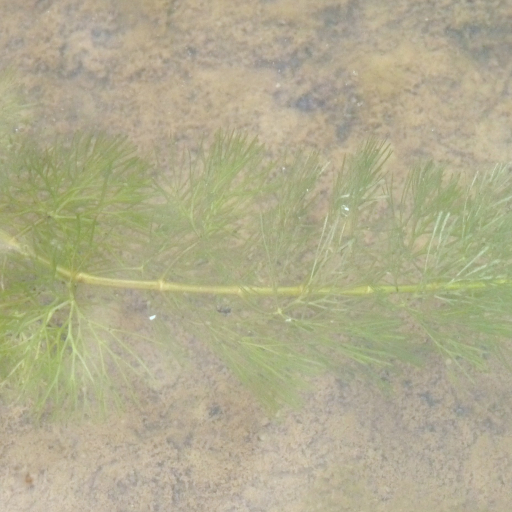
Plant Overview
Known as the "Green Fanwort" or "Carolina Water-shield," Cabomba caroliniana is the underwater equivalent of a delicate lace curtain. Originally from the subtropics of the Americas, this aquatic beauty has become a staple in the aquarium hobby for its ability to create lush, emerald forests in just a few weeks. While it looks fragile and soft, it is a vigorous grower that provides essential oxygen and shelter for aquatic life.
🔍 How to Identify
- 🌿 Feathery Foliage: The submerged leaves are deeply divided into narrow, thread-like segments that spread out from a central point, resembling an open folding fan.
- 📏 Stem Structure: Stems are long, green, and surprisingly brittle, often reaching several feet in length as they stretch toward the light.
- 🌸 Floating Leaves & Flowers: When the plant reaches the surface, it produces small, inconspicuous white flowers with yellow centers. These are supported by tiny, diamond-shaped floating leaves that look completely different from the feathery underwater ones.
🏡 In Your Aquarium
- ☀️ The Light Hunger: Cabomba is famous for its "stretching" behavior. If it doesn't receive intense light, the gaps between its leaf clusters (internodes) will grow long and thin, making the plant look sparse rather than bushy.
- 🧪 Natural Filter: This plant is a nutrient sponge. It excels at absorbing nitrates and phosphates from the water, acting as a living filter that helps keep your tank clear and reduces the frequency of water changes.
- ✂️ Fragile Handling: It has a very delicate root system and brittle stems. It hates being moved once planted, so try to choose a permanent spot with moderate water flow to avoid snapping the stems.
⚠️ Safety & Toxicity
- 🐾 Non-Toxic: This plant is perfectly safe for fish, snails, and shrimp. It is also non-toxic to household pets like cats or dogs should they take a sip from the aquarium water.
- 🚫 Ecological Hazard: Because it is so hardy, it is considered a "noxious weed" in many regions outside its native range (like Australia and parts of Europe). Never discard cuttings into local ponds or drains; always dry them out or freeze them before throwing them in the trash to prevent environmental damage.
✨ Fun Fact
Cabomba is a master of "heterophylly"—the ability to grow two completely different leaf shapes on the same stem. It uses its feathery leaves to maximize surface area for gas exchange underwater, while switching to flat, waxy leaves on the surface to stay buoyant and facilitate pollination!

Detailed Care Instructions
To grow Cabomba Caroliniana (also known as Fanwort), follow these steps:
- Preparation: Start by ensuring you have a suitable tank or container for growing the plant. Cabomba Caroliniana requires a tank with good lighting and a well-maintained water quality. It prefers a slightly acidic to neutral pH (around 6.5-7.5), so ensure your water matches these conditions.
- Lighting: Provide proper lighting to mimic the plant's natural habitat. Use bright, full-spectrum lights or special aquarium plant lights. Ensure the lights remain on for around 10-12 hours per day.
- Substrate: Choose a nutrient-rich substrate or add plant fertilizers to the substrate to provide the necessary nutrients for growth. Cabomba Caroliniana prefers a rich substrate to anchor its roots and access nutrients.
- Planting: Place the Cabomba Caroliniana in the substrate, burying the roots gently. Ensure the stem is properly anchored, and do not bury the entire plant as it may cause rotting.
- Water quality: Regularly check and maintain the water quality. Perform partial water changes every week or two to remove any accumulated debris, nitrates, or other harmful substances.
- CO2 supplementation: Cabomba Caroliniana benefits from additional carbon dioxide (CO2) supplementation. You can use liquid CO2 supplements or CO2 injection systems to provide the plant with the needed carbon.
- Pruning: Regularly trim the plant to maintain its shape and prevent it from overgrowing. Remove any dying or decaying leaves to maintain good water quality and prevent debris accumulation.
- Avoid water flow: Cabomba Caroliniana prefers slower water flow, so avoid placing it in areas with strong water currents as it may prevent proper growth.
- Monitor growth: Regularly monitor the plant's growth and overall health. If you notice any signs of nutrient deficiency or malnourishment, adjust the tank's conditions and fertilization accordingly.
- Propagation: Cabomba Caroliniana can be propagated by taking cuttings from healthy stems. Simply snip off a section of the stem, ensure it has a few leaves, and plant it in the substrate as you would with a new plant.
Remember, with proper care and maintenance, Cabomba Caroliniana can thrive and grow into a beautiful aquatic plant.

Place in a bright room that is sun drenched almost all day. Or directly in a south-facing window.

To water this aquatic plant, it is important to first thoroughly saturate the soil in which it is planted with water. The plant should be watered regularly, keeping the soil consistently moist but not waterlogged. Be sure to use water that is at room temperature or close to it, as extreme temperatures can cause shock to the plant. Additionally, when watering, be careful not to disturb the plant or its roots, as Cabomba Caroliniana can be sensitive to disturbances.
- Choose a specially formulated aquatic plant fertilizer.
- Add the fertilizer according to the manufacturer's instructions.
- Be careful not to over-fertilize as this can harm the plant.
- Monitor the growth of the plant and adjust fertilization as needed.
- Regularly trim the plant to encourage healthy growth.
Cabomba Caroliniana is a submerged aquatic plant that requires a specific type of soil to thrive in an aquarium setting. It is important to choose a nutrient-rich substrate that will provide essential minerals and nutrients that aid photosynthesis and promote healthy growth.
The ideal soil for Cabomba Caroliniana should have a high nutrient content and a fine texture that allows for easy root penetration and plant anchorage. A good substrate should also be porous and allow for proper water circulation to avoid anaerobic conditions that can lead to root rot.
Substrates made from volcanic soil, clay, or river sand are great choices, as they naturally contain essential nutrients and minerals required for healthy plant growth. Alternatively, you can also use specialized aquarium soils that are formulated specifically for aquatic plants.
When selecting a substrate, it's important to avoid using garden soil, potting mix, or other types of soil that contain additives, fertilizers, or pesticides. These chemicals can be harmful to aquatic life and affect the health of your plant.
To propagate this particular aquatic plant, first, cut off the stem tips around 3-4 inches in length. Then, remove the lower leaves from each cutting, leaving around 2-3 uppermost leaves. Next, plant the cutting into your substrate, making sure the remaining leaves are aboveground. You can also use plant weights or substrates to hold the cuttings down in the substrate until they start growing roots. Provide your plant with adequate lighting, water quality, and nutrients, and within weeks, the cuttings will start growing roots and new leaves, propagating the plant.








