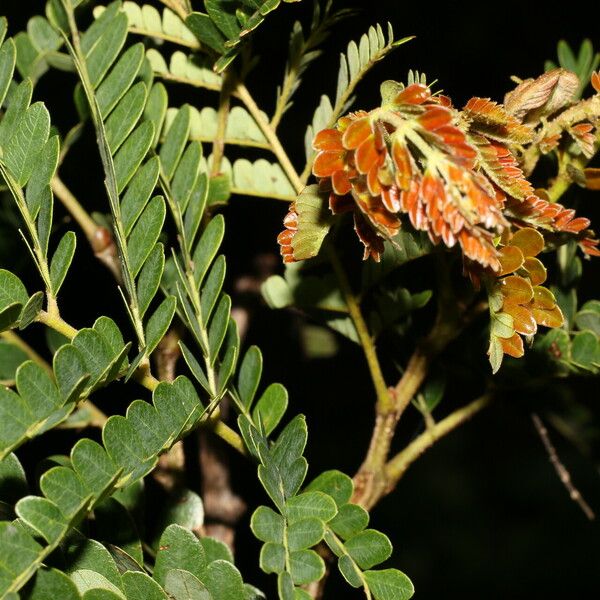
Plant Overview
Often called the "Fried Egg Tree" due to its sunny, white-and-yellow blooms, Caesalpinia eriostachys is a tropical showstopper. Originating from the dry forests of Central America and Mexico, it acts as a vibrant beacon for pollinators during its peak blooming season. With its airy, feathery canopy and striking pale bark, it is a favorite for those looking to add a touch of "golden hour" glow to their landscape.
🔍 How to Identify
- 🍳 The "Fried Egg" Blooms: Features clusters of bright yellow flowers with long, delicate stamens. The way the yellow centers contrast with the surrounding light can make the tree look like it’s covered in tiny sunny-side-up eggs from a distance.
- 🕊️ Palo Blanco Bark: True to its Spanish nickname "Palo Blanco," the trunk and branches possess a smooth, pale grey to creamy white bark that stands out beautifully against green foliage.
- 🌿 Fern-like Foliage: The leaves are bipinnately compound, meaning they are divided into many tiny leaflets. This creates a soft, lace-like texture that allows dappled sunlight to filter through to the ground.
🏡 In Your Garden
- ☀️ Drought Champion: This tree is a survivor that actually prefers a "tough love" approach. It thrives in well-draining soil and is highly drought-tolerant once established, making it perfect for xeriscaping or gardens in arid climates.
- ✂️ Shape & Structure: Left to its own devices, it may grow as a large multi-stemmed shrub. If you want a traditional tree look for a patio or walkway, you’ll need to prune it early to establish a strong central trunk.
⚠️ Safety & Toxicity
- 🟢 General Status: Mostly safe, but use caution with the seed pods.
- 🐾 Pets & Kids: While the flowers and leaves are not known to be highly dangerous, the seed pods contain tannins and chemical compounds common to the legume family. Ingesting them can cause mild gastrointestinal upset (stomach aches or vomiting) in curious pets or small children.
✨ Fun Fact
In its native habitat, Caesalpinia eriostachys is a "calendar plant." It often drops all its leaves during the peak of the dry season, standing bare until it suddenly explodes into a cloud of yellow flowers. This dramatic display is often a biological signal that the seasonal rains are just around the corner!

Detailed Care Instructions

Place in a bright room that is sun drenched almost all day. Or directly in a south-facing window.

The presence of a dry surface layer of soil does not indicate that the plant requires water. Instead, stick your finger 1-2" (3-5 cm) deep in the soil to feel dampness or moisture content. If the soil seems dry, it's time to water your greens. If the soil is still moist, however, it is better not to water your plant and instead wait a day or two. Overwatering or waterlogging raises the risk of root rot. So if the soil takes longer than a week to dry, check the light conditions because it's likely that the plant isn't getting enough light. It's fine if the upper layer of soil is dry between waterings, but the deeper soil layer should always have some moisture.








