Plant Overview
Known fondly as the "Diamond Grass," this elegant perennial brings a soft, misty texture to the garden. Originating from the moist woodlands of East Asia, it is one of the rare ornamental grasses that actually prefers a bit of shade. It’s a favorite for those looking to add movement and light to the quieter, dappled corners of their landscape.
🔍 How to Identify
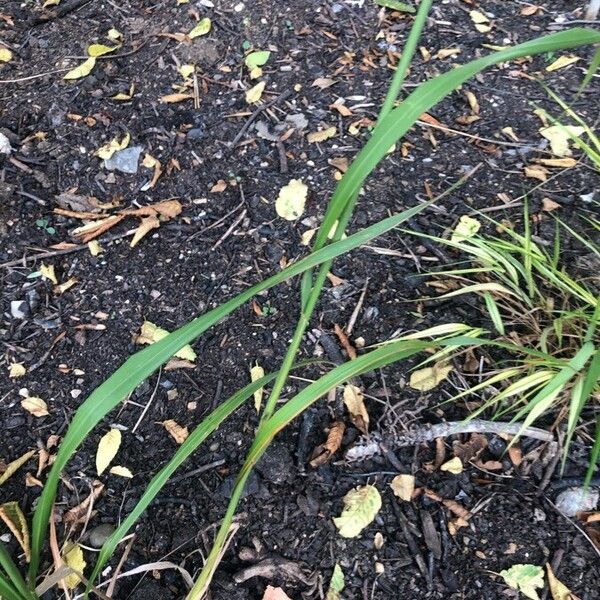
- 🍃 The Foliage: Rich green, narrow blades that grow in a graceful, fountain-like clump, typically reaching about 2 to 3 feet in height.
- 🌾 The Plumes: Upright, feathery flower spikes that emerge in late summer with a distinct rosy-purple tint, later fading to a soft tan.
- ❄️ Winter Silhouette: Even after the first frost, the sturdy stems remain upright, providing a beautiful structural skeleton in the winter garden.
🏡 In Your Garden
- 💧 Moisture Lover: While many grasses are drought-tolerant, this species thrives in consistently moist soil. It’s a perfect choice for those "heavy" spots in the garden where the soil stays damp.
- ⛅ The Shade Exception: Most ornamental grasses need full sun to bloom, but the Korean Feather Reed Grass is happiest in partial shade. Too much hot afternoon sun can actually scorch its delicate blades.
- ✂️ Spring Cleaning: Because it is a "warm-season" grass, it starts its growth later in the spring. Wait until late winter or very early spring to cut the old stalks back to about 4 inches above the ground.
⚠️ Safety & Toxicity
- ✅ Status: Non-toxic and generally safe.
- 🧤 Leaf Edges: Like many grasses, the leaf blades can be slightly sharp. While not poisonous to pets or children, it’s a good idea to wear gardening gloves when pruning to avoid tiny "paper cuts" on your hands.
✨ Fun Fact
It earned the nickname "Diamond Grass" because the tiny, fine hairs on its flower plumes are exceptionally good at catching morning dew. When the sun hits the wet plumes, the entire plant appears to be covered in shimmering crystals.

Detailed Care Instructions
To water this plant, ensure that the soil is moist before watering. The plant should not be left to dry out completely before being watered again. Watering should be done slowly and evenly, allowing the water to trickle down into the soil. Overwatering should be avoided as it can lead to waterlogging and root rot. Watering should be done early in the morning or late in the evening when the heat of the day has subsided. Water should be directed towards the base of the plant and not on the leaves to avoid causing water spots.
The ideal soil for Calamagrostis Brachyathera should be rich in organic matter, well-draining, and pH-neutral to slightly acidic. It should be well-aerated to promote healthy root growth and prevent waterlogging, which can cause root rot. A mixture of loamy and silty soil with some sand added for drainage is recommended. It is important to avoid heavy clay soils, as they can retain too much moisture and suffocate the roots. Adding compost or organic fertilizer to the soil before planting will help provide the necessary nutrients and improve soil structure.








