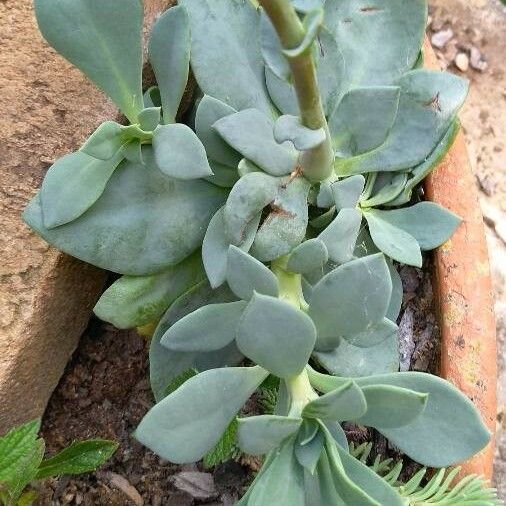
Plant Overview
Meet the Rock Purslane, a Chilean gem that looks like a cluster of neon-pink butterflies hovering over a sea of blue-green succulents. Often referred to by its modern botanical name, Cistanthe grandiflora, this plant is a favorite for those who want high-impact color with almost zero effort. It’s the ultimate "drought-warrior" for sunny spots, providing an electric pop of color that seems to vibrate against the landscape.
🔍 How to Identify
- 🌿 The Foliage: Fleshy, spoon-shaped leaves that form low-growing, silvery-green rosettes. They feel slightly rubbery to the touch, a classic trait of water-storing succulents.
- 🌸 The Blooms: Vibrant magenta-purple flowers with satiny petals and bright yellow centers. They look remarkably like small poppies or wild roses.
- 📍 The Stems: Unusually long, thin, wiry stems that lift the flowers high above the leaves. This gives the blooms a "floating" appearance, as the stems are often so fine they disappear from a distance.
🏡 In Your Garden
- 🏜️ Drainage is King: This plant thrives in rocky or sandy soils where water moves quickly. If its "feet" stay wet for too long, the roots will rot. It’s perfect for rock gardens, slopes, or containers where drainage is naturally better.
- ✂️ Easy Multiplication: It is incredibly easy to share with friends. You can simply snap off a side shoot or a stem, let the end dry out for a day (callus), and poke it into some soil. It will usually root and start a new colony with very little fuss.
- ☀️ Sun Seekers: The flowers are "phototropic," meaning they only open fully when the sun is shining. On cloudy days or at dusk, the blooms will tuck themselves away and wait for the light.
⚠️ Safety & Toxicity
- ✅ Generally Safe: Rock Purslane is not considered toxic to humans. It is often handled freely in landscaping and home gardens.
- 🐾 Pet Caution: While not on the major "deadly" lists for animals, it belongs to a family that can contain calcium oxalates. If your dog or cat decides to make a snack of it, they might experience a mild stomach upset or drooling. It’s best to keep it away from curious chewers.
✨ Fun Fact
Each individual flower on the Rock Purslane typically lasts only a single day! However, don't let that discourage you—the plant is a master of succession, constantly producing new buds on its wiry stems so that it remains in a state of "perpetual bloom" throughout the warm months.

Detailed Care Instructions
| Lighting | Full Sun |
| Hardiness Zones | 9A - 11 |
Here are some steps you can follow to grow Calandrinia spectabilis:
- Choose the right location: Calandrinia spectabilis prefers a sunny location with well-draining soil. Ensure that the area receives at least six hours of direct sunlight daily.
- Prepare the soil: The soil should be well-draining, preferably sandy or loamy. If the soil is heavy clay, amend it with organic matter, such as compost or peat moss, to improve drainage.
- Planting: Plant the seeds or seedlings in the desired location. If planting seeds, sprinkle them on the soil surface and lightly press them into the soil. Water gently to avoid displacing the seeds. If using seedlings, dig a hole slightly larger than the root ball and place the seedling in the hole. Backfill with soil and firm gently.
- Watering: Water the plant thoroughly immediately after planting to settle the soil around the roots. Afterward, water the plant deeply but infrequently, allowing the soil to dry out slightly between waterings. Overwatering can lead to root rot or fungal diseases.
- Fertilizing: Calandrinia spectabilis does not require heavy feeding. However, you can apply a balanced, slow-release fertilizer in spring to promote healthy growth. Follow the package instructions for application rates.
- Mulching: Apply a layer of organic mulch around the base of the plant to help retain moisture, regulate soil temperature, and suppress weeds. Leave a gap between the mulch and the stem to prevent root rot.
- Pruning: Calandrinia spectabilis does not typically require pruning. However, you can remove any dead or damaged stems to maintain the plant's appearance.
- Propagation: Calandrinia spectabilis can be propagated by collecting and sowing seeds in late spring. Allow the seed pods to dry on the plant, then collect and store them in a cool, dry location until the following spring.
- Pest and Disease Control: Calandrinia spectabilis is generally resistant to pests and diseases. However, keep an eye out for common garden pests like aphids or slugs and treat them accordingly using organic pest control methods.
Remember to check the specific requirements of Calandrinia spectabilis for your region, as some factors may vary depending on the climate.

Place in a bright room that is sun drenched almost all day. Or directly in a south-facing window.

To properly water this plant, wait for the top inch of soil to dry out before giving it a good, thorough watering. Avoid letting the soil become completely dry for extended periods of time, but also avoid overwatering as this can lead to root rot. When watering, aim to water the soil directly avoiding the foliage and flowers. Use room-temperature water that has been allowed to sit for a day or two to avoid any chlorine or fluoride present in tap water. Consider using a well-draining potting mix for this plant to allow excess water to drain away from the roots.
To fertilize this plant, use a balanced fertilizer with equal amounts of nitrogen, phosphorus, and potassium. Apply the fertilizer in the early spring, just as new growth begins, and again in the late summer to encourage continued flowering. Avoid over-fertilizing, as this can cause excessive growth and diminish the plant's overall health. Always follow the instructions on the fertilizer label and water thoroughly after fertilizing.
Calandrinia Spectabilis plants require a well-draining soil that is slightly acidic in nature. The ideal soil for these plants is a mixture of sandy loam soil and organic matter such as compost or peat moss. It is important to ensure that the soil is not too heavy or clumpy as this can lead to poor drainage. Adding perlite or coarse sand to the soil mixture can help with drainage. Additionally, the soil should be moist but not waterlogged, as overwatering can cause the roots to rot. It is recommended to water the plant deeply and allow the soil to dry out slightly between waterings. Adding a layer of mulch to the soil can help retain moisture and regulate soil temperature.
Calandrinia spectabilis can be propagated by seed or stem cuttings. For seed propagation, collect mature seeds from the plant and sow them in a well-draining potting mix. Keep the soil moist and place the pot in a warm area with indirect sunlight.
For stem cutting propagation, select healthy stems, about 4-6 inches long, and cut them just below a node. Remove any leaves from the bottom half of the stem and dip the cut end in rooting hormone powder. Plant the stems in a well-draining potting mix and keep the soil moist. Place the pot in a warm area with indirect sunlight.
Rooting should occur within a few weeks for stem cuttings and germination for seed propagation should occur within a few weeks to a month. After the new plants have established roots, they may be transplanted to their permanent location in well-draining soil and full to partial sunlight.








