Plant Overview
Known as the "Dream Herb" or "Leaf of God," Calea ternifolia is a legendary shrub native to the sun-drenched hills of Mexico and Central America. Traditionally used by the Zapotec people to induce lucid dreaming and sharpen the senses, it has earned a cult following among ethnobotanical enthusiasts. While it may look like an ordinary wayside bush, its history is deeply rooted in spiritual divination and traditional medicine.
🔍 How to Identify
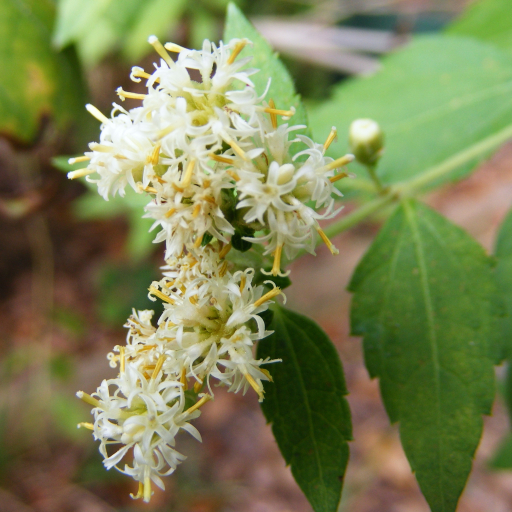
- 🍃 The Foliage: The leaves are oval to triangular with distinctively serrated (saw-toothed) edges. They grow in opposite pairs along the stem and have a rough, almost sandpaper-like texture.
- 🌼 The Blooms: It produces small, inconspicuous clusters of yellowish-white flowers. These aren't flashy garden blooms; they look more like tiny, wild daisy centers without the long petals.
- 🌿 Growth Habit: This is a woody perennial shrub that can reach up to 3 meters in the wild, though it usually stays much smaller and bushier when grown in a container.
🏡 In Your Garden
- ☀️ Climate Needs: As a tropical native, this plant is a "sun worshiper." It thrives in warmth and will quickly drop its leaves or die back if exposed to frost or temperatures below 50°F (10°C).
- 🚿 Drainage is Key: While it enjoys regular watering, it absolutely hates "wet feet." If the soil stays soggy, the roots are prone to rot; always use a well-draining cactus or succulent mix if you are growing it in a pot.
⚠️ Safety & Toxicity
- 👅 The Bitter Truth: While not considered "poisonous" in the traditional sense, the plant is famously known as "Bitter Grass." The taste is so intensely bitter that it can cause nausea or stomach upset if accidentally chewed.
- 🐾 Pet Caution: There is limited research on its effects on domestic animals. To be safe, keep it out of reach of curious cats and dogs, as the concentrated alkaloids could cause digestive distress.
✨ Fun Fact
The Zapotec name for this plant, Thle-pela-kano, translates literally to "Leaf of God." According to tradition, a person would drink a tea made from the leaves and then lie down in a quiet place to receive "divine" answers to their questions through their dreams.

Detailed Care Instructions
Calea Ternifolia, also known as the Dream Herb, is a perennial herb native to Mexico and Central America. It is known for its use in traditional medicine and for its alleged dream-enhancing properties.
To grow Calea Ternifolia, follow these steps:
- Choose a suitable location: Calea Ternifolia prefers well-draining soil and full sun to partial shade. Choose a location in your garden that receives at least 6-8 hours of sunlight per day.
- Prepare the soil: Calea Ternifolia prefers slightly acidic to neutral soil. Amend the soil with organic matter such as compost or aged manure to improve soil fertility and drainage.
- Planting: Plant Calea Ternifolia seeds or seedlings in the prepared soil, spacing them at least 12 inches apart. Water thoroughly after planting.
- Watering: Keep the soil consistently moist but not waterlogged. Water the plant regularly, especially during hot and dry periods.
- Fertilizing: Fertilize Calea Ternifolia with a balanced fertilizer every 4-6 weeks during the growing season (spring to early fall).
- Pruning: Remove spent flowers and dead or damaged foliage to encourage new growth and maintain the plant's shape.
- Pests and diseases: Keep an eye out for pests such as aphids, spider mites, and whiteflies. Treat any infestations promptly with insecticidal soap or neem oil. Calea Ternifolia is generally resistant to diseases but may be prone to root rot if overwatered.
- Harvesting: Calea Ternifolia is typically harvested for its leaves and flowers, which are used for medicinal and ceremonial purposes. Harvest the leaves and flowers as needed, but be sure to leave enough foliage on the plant for continued growth.
By following these steps, you can successfully grow Calea Ternifolia in your garden and enjoy its many benefits.

Place in a bright room that is sun drenched almost all day. Or directly in a south-facing window.

Calea Ternifolia plants should be watered thoroughly and evenly, allowing the water to penetrate deeply into the soil. It is important to keep the soil consistently moist but not soggy, as overwatering can lead to root rot. Watering should be done in the morning to allow the plant to dry out during the day, reducing the risk of mold or mildew. It is also recommended to use room temperature water to avoid shocking the plant's roots. Monitoring the soil moisture level regularly and adjusting the watering schedule accordingly will help to keep the Calea Ternifolia plant healthy and thriving.
To fertilize Calea Ternifolia, apply a balanced fertilizer with equal parts nitrogen, phosphorus, and potassium (such as a 10-10-10 or 20-20-20 formula) once a month during the growing season. Dilute the fertilizer to half the recommended strength and apply to the soil around the base of the plant, avoiding getting any on the leaves. Water thoroughly after fertilizing to help the nutrients reach the roots. Do not fertilize during the plant's dormant period.
The Calea Ternifolia plant thrives in well-draining soil that is rich in organic matter. A suitable soil mixture for this plant would consist of a combination of peat moss, perlite, and sand. This type of soil provides adequate drainage for the plant's roots while also retaining enough moisture to keep the plant healthy. It is important to avoid using heavy clay soils or soils with poor drainage, as these can lead to root rot and other issues. Additionally, adding a slow-release fertilizer to the soil mixture can help provide the plant with necessary nutrients for healthy growth. Overall, selecting a well-draining soil that is rich in organic matter will ensure that the Calea Ternifolia plant has the best chance of thriving in its environment.
Propagating Calea Ternifolia plant can be done through stem cuttings. Here is a step-by-step guide on how to do this:
- Prepare a clean, sharp knife or garden shears.
- Choose a healthy and mature Calea Ternifolia plant to take a cutting from.
- Select a stem that is about 4-6 inches long and has at least 2-3 node points.
- Using the knife or shears, make a clean cut just below a node on the selected stem.
- Remove any lower leaves from the cutting to expose the node points.
- Fill a small pot with well-draining soil or a mixture of potting mix and perlite.
- Dip the cut end of the stem cutting in rooting hormone to promote root growth (optional).
- Carefully plant the cutting into the soil, making sure the node points are covered.
- Water the cutting thoroughly and place it in a warm, humid environment with indirect sunlight.
- Keep the soil consistently moist but not waterlogged, and mist the cutting regularly to maintain humidity.
- In a few weeks, the cutting should start developing roots. You can gently tug on the cutting to check for resistance, which indicates that roots have formed.
- Once the cutting has established a strong root system, you can transplant it into a larger pot or the garden.
By following these steps, you can successfully propagate a new Calea Ternifolia plant from a stem cutting.








