Plant Overview
Known affectionately as the Pink Fairy Duster or Dwarf Powderpuff, Calliandra humilis is a resilient desert gem that looks like it belongs in a storybook. Native to the high deserts of the American Southwest and Mexico, this low-growing shrub is famous for its "explosive" blooms that resemble tiny, silky pom-poms. Despite its delicate appearance, it is a tough survivor, perfectly adapted to thrive in rocky, sun-baked soils where other plants might wither.
🔍 How to Identify
- 🌸 The "Powderpuff" Bloom: The most striking feature is the flower, which lacks traditional petals. Instead, it consists of a cluster of long, delicate pink-to-rose-colored stamens that fan out in a spherical shape.
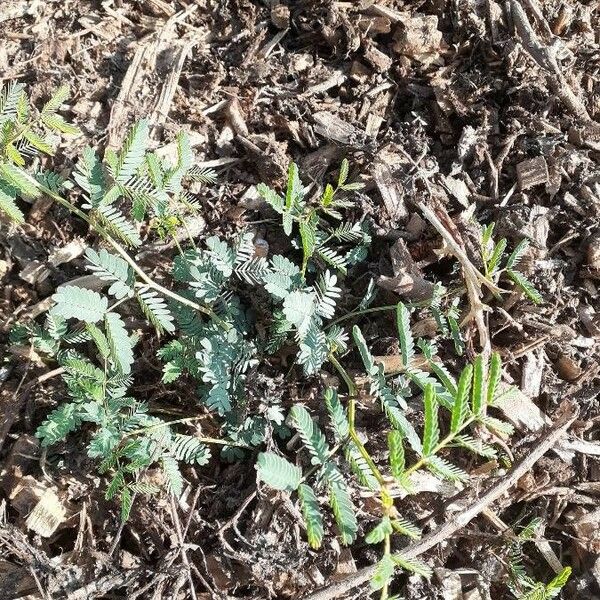
- 🌿 Fern-like Foliage: The leaves are "bipinnate," meaning they look like tiny, soft fern fronds. These leaves are sensitive and will often fold up at night or during extreme heat to conserve moisture.
- 📏 Growth Habit: True to its name (humilis means "lowly" or "small"), this plant rarely exceeds 12 inches in height. It spreads outward rather than upward, forming a dense, woody groundcover.
🏡 In Your Garden
- ☀️ Sun Seeker: This plant is a sun-worshiper. It requires full sun to produce its signature blooms. If planted in the shade, it may become leggy and lose its compact, "cushion" shape.
- 🏜️ Drainage is Key: Because it is a desert native, its roots are prone to rot if kept in soggy soil. It thrives in "neglected" areas of the garden, such as rock gardens or slopes where water drains away quickly.
- 🦋 Pollinator Magnet: While it looks dainty to us, it is a high-energy refueling station for native bees and butterflies. It is an essential addition to any xeriscape (water-wise) garden looking to support local wildlife.
⚠️ Safety & Toxicity
- 🟢 General Safety: Calliandra humilis is generally considered non-toxic and is not known to be a threat to humans or livestock.
- 🐾 Pets & Kids: It is safe to plant around curious dogs and children. However, as with any ornamental plant, ingestion should be discouraged as it is not a food source and could cause mild digestive upset if consumed in large quantities.
✨ Fun Fact
The Dwarf Powderpuff is a "smart" sleeper! Like many members of the pea family, it exhibits nyctinasty, a rhythmic movement where the leaves fold tightly together at night. Scientists believe this protects the plant from evening chills and helps prevent dew from gathering on the leaf surfaces.

Detailed Care Instructions
To grow a Calliandra Humilis plant, also known as the powder puff plant or dwarf powder puff, you can follow these steps:
- Choose a suitable location: Calliandra Humilis plants prefer a warm and sunny location. Find a spot in your garden or home that receives at least 6-8 hours of direct sunlight each day.
- Prepare the soil: The soil should be well-draining and slightly acidic. If your soil has clay or does not drain well, consider adding organic matter like compost to improve drainage.
- Planting: Dig a hole in the prepared soil, twice the size of the plant's root ball. Place the plant in the hole, ensuring that the top of the root ball is level with the soil surface. Backfill the hole with soil, gently firming it around the plant. Water thoroughly after planting.
- Watering: Calliandra Humilis plants prefer regular watering. Water deeply but infrequently, allowing the soil to dry out slightly between waterings. Avoid overwatering, as it can cause root rot.
- Mulching: Apply a layer of organic mulch, such as wood chips or shredded bark, around the base of the plant. Mulch helps to retain moisture, suppress weeds, and maintain a consistent soil temperature.
- Fertilizing: Fertilize the plant with a balanced, slow-release fertilizer in spring, following the package instructions. Avoid over-fertilizing, as it can lead to excessive foliage growth with fewer flowers.
- Pruning: Prune the plant regularly to maintain a compact and bushy shape. Remove any dead, damaged, or diseased branches. Light pruning after flowering can encourage more blooms.
- Pests and diseases: Keep an eye out for common pests like aphids, spider mites, and mealybugs. Treat any infestations promptly with appropriate organic or chemical pesticides. Also, monitor for signs of diseases like root rot or fungal infections and take necessary steps to prevent or treat them.
- Propagation: You can propagate Calliandra Humilis plants through seeds or cuttings. Seeds can be sown in a well-draining seed-starting mix, while cuttings can be taken from healthy stems and rooted in a suitable rooting medium.
With proper care and attention, your Calliandra Humilis plant should grow and flourish, displaying its vibrant and attractive powder puff flowers.

Place in a bright room that is sun drenched almost all day. Or directly in a south-facing window.

To water this particular plant species, it is important to consider its natural habitat and watering needs. It prefers moist but well-drained soils and should not be overwatered. Generally, it is recommended to water the plant deeply once a week, allowing the soil to dry out slightly between waterings. However, this may vary depending on the specific environmental and growing conditions. It is also important to avoid getting water on the leaves or flowers, as this could cause damage or promote fungal growth. It is best to water at the base of the plant, using a watering can or hose with a gentle flow.
To fertilize this plant, use a slow-release fertilizer with a balanced NPK ratio. Apply the fertilizer during the growing season, which is typically spring and summer. Water the plant well before fertilizing and follow the instructions on the fertilizer packaging for the correct dosage. Be careful not to over-fertilize, as this can damage the plant.
It is recommended to use a soil mixture that is well-draining and has high organic matter content for this particular plant. The soil should be able to retain water while also allowing excess moisture to drain away from the roots. It is important to avoid using heavy or clay-based soils, as they can cause root rot and inhibit proper drainage. Adding a layer of organic mulch to the top of the soil can also help to retain moisture and regulate temperature. Overall, the ideal soil for this plant should provide a balanced mix of water retention, drainage, and nutrient availability.
To propagate this plant, you will need to take stem cuttings. First, choose a healthy plant from which to take the cuttings. Use sterile pruning shears to cut a 4-6 inch section of stem off the plant, making sure to include several sets of leaves. Remove the lower leaves from the stem, leaving only the top few sets of leaves intact. Dip the cut end of the stem into rooting hormone powder and plant it in a small container filled with moist potting soil. Cover the container with a plastic bag to create a mini greenhouse effect and place it in a warm, bright location with indirect sunlight. Keep the soil moist but not waterlogged and mist the leaves occasionally to maintain humidity. After several weeks, new roots should begin to grow from the cut end of the stem. Once the roots have established themselves and the plant is showing signs of new growth, it can be transplanted into a larger container or into the ground.








