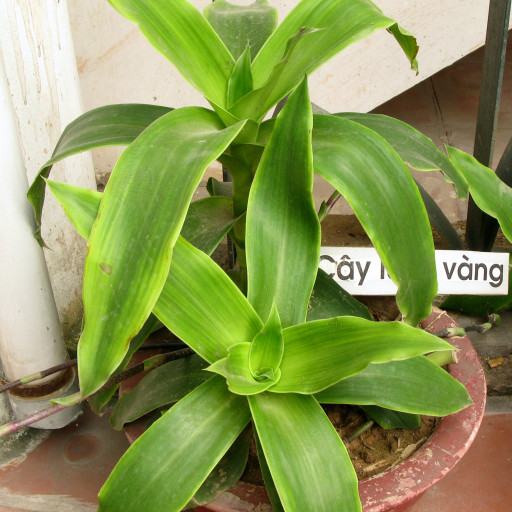
Plant Overview
Often called the "False Bromeliad" or the "Golden Mustache," Callisia fragrans is a hardy Mexican native that thrives on neglect. It earns its nickname, the Basket Plant, from the way it sends out long, spider-like runners that carry tiny plantlets at the ends like charms on a chain. While it looks like a sturdy succulent, its surprisingly sweet-smelling flowers are its best-kept secret.
🔍 How to Identify
- 🌿 The Rosette: It grows in a tight, spiraling rosette of fleshy, waxy leaves that can reach up to 10 inches long, mimicking the look of a bromeliad or a young pineapple top.
- 🔗 The "Chains": Look for long, purplish runners (stolons) that shoot out horizontally from the base, producing miniature versions of the parent plant at the tips.
- 🎨 Sun Tints: While the leaves are naturally a vibrant green, they often develop a stunning deep purple or burgundy hue when exposed to bright light.
🏡 In Your Garden
- 💧 Drought Resilience: Because of its thick, water-storing leaves, this plant is incredibly forgiving. It prefers a "soak and dry" routine; it would much rather be too dry than sit in soggy soil, which can quickly lead to root rot.
- 🧗 Versatile Growth: This plant loves to "travel." Because it spreads via runners, it makes an excellent groundcover in frost-free climates or a dramatic trailing feature in a hanging basket indoors.
- 🌬️ The Fragrance Factor: If provided with enough bright light, it may produce clusters of tiny, white, star-shaped flowers. True to its name (fragrans), these blooms emit a powerful, pleasant scent similar to lilies or hyacinths.
⚠️ Safety & Toxicity
- 🐾 Pet Sensitivity: Callisia fragrans is considered mildly toxic to cats and dogs. The sap contains calcium oxalate crystals and saponins which can cause skin redness (dermatitis) or an upset stomach if the leaves are chewed.
- 👶 Human Caution: Some people are sensitive to the sap, which can cause itchy skin or a rash. It is best to keep it on a high shelf away from curious toddlers and pets.
✨ Fun Fact
In Russia and parts of Eastern Europe, this plant is a legendary staple in folk medicine. It is nicknamed the "Doctor Plant" because it was traditionally used in tinctures and salves to treat everything from skin inflammation to joint pain, though you should always consult a professional before trying home remedies!

Detailed Care Instructions
| Color | Light Green Leaves, Sometimes With Purple Undersides; Panicles Of White Flowers |
| Soil Ph | 6.5-7.5 |
| Humidity | Normal |
| Lighting | Part Sun |
| Toxicity | Non-Toxic |
| Soil Type | Loam-Based Compost With Added Grit In Containers; Well-Drained, Slightly Gritty, Soil Outside |
| Bloom Time | Winter To Spring |
| Difficulty | Medium |
| Plant Type | Creeping, Succulent Perennial |
| Mature Size | Height Of Around 1 Foot But Up To 3 Feet When In Flower; Spread Of Up To 5 Feet |
| Native Area | Mexico |
| Temperature | 25°C - 27°C |
| Sun Exposure | Bright, Indirect Light Indoors; Partial Shade Out Of Doors |
| Hardiness Zones | 9-11 |
To grow a Callisia fragrans plant, also known as the Basket Plant or False Bromeliad, follow these steps:
- Choose a suitable container: Select a container that has drainage holes at the bottom to prevent waterlogging. Make sure it is large enough to accommodate the plant as it grows.
- Soil: Use a well-draining potting mix that is rich in organic matter. You can mix equal parts of regular potting soil, peat moss, and perlite to create a suitable growing medium.
- Light: Callisia fragrans prefers bright, indirect light. Place the plant near a window that receives filtered sunlight throughout the day. Avoid placing it in direct sunlight, as it can scorch the leaves.
- Temperature: This plant thrives in average room temperatures ranging from 65°F to 75°F (18°C to 24°C). Protect it from draughts and sudden temperature changes.
- Watering: Water the plant thoroughly when the top inch (2.5 cm) of soil feels dry. Avoid overwatering, as it can cause root rot. Allow excess water to drain out of the pot, and never let the plant sit in standing water.
- Humidity: Callisia fragrans appreciates higher humidity levels. You can mist the plant regularly or place a tray filled with water near it to help maintain humidity.
- Fertilizer: Feed the plant monthly during the growing season (spring and summer) with a balanced, water-soluble fertilizer diluted to half strength.
- Pruning: Prune any yellowing or dead leaves to maintain the plant's appearance. You can also trim the plant to encourage bushier growth.
- Propagation: Callisia fragrans can be propagated through stem cuttings. Take a 4-6 inch (10-15 cm) stem cutting with a couple of leaves, remove the lower leaves, and plant it in moist soil or a glass of water. Keep it in a warm, bright area until roots develop.
- Repotting: Repot the plant every 1-2 years into a slightly larger pot, as it outgrows its current container. Use fresh potting mix and ensure the new pot has sufficient drainage.
By following these guidelines, you can successfully grow and care for a Callisia fragrans plant.

Place in a window with dappled sun or a spot in the middle of a room. Or directly in a window facing west or east.

Callisia fragrans plant requires a consistent and moderate amount of watering to thrive. It is important to ensure that the soil remains moist, but not soggy. Overwatering can lead to root rot, while underwatering can result in stunted growth and wilting.
Watering the plant once a week is usually sufficient during the growing season, but may need to be adjusted based on the humidity and temperature of the environment. It is important to avoid getting water on the leaves to prevent the risk of fungal diseases.
Before watering, check the top layer of soil with your finger or a moisture meter to determine if the plant needs watering. If the soil feels dry to the touch, it is time to water. Water the plant thoroughly until the excess water drains out of the drainage holes of the container.
During the dormant period, which usually occurs in winter, the frequency of watering can be reduced. The plant will require less water and may even go through a slight period of drought, but it is important to monitor the soil moisture level to prevent the soil from completely drying out.
It is also important to use room temperature water when watering the plant to avoid shocking the roots with cold water. Additionally, adding a small amount of fertilizer to the water every two to three weeks can help to promote healthy growth and flowering.
To fertilize this plant, use a balanced liquid fertilizer with an N-P-K ratio of 10-10-10 or 20-20-20. Dilute the fertilizer to half strength and apply it every two weeks during the growing season, which is typically from spring until fall. Be careful not to over-fertilize, as this can damage the plant.
Callisia Fragrans prefers soil that is well-draining and rich in organic matter. It requires a soil pH between 5.5 and 7.0, which is slightly acidic to neutral. A combination of potting soil, perlite, and sand is recommended to ensure good drainage and aeration. The plant should be watered evenly to keep the soil moist but not waterlogged. Fertilizer can be applied during the growing season to promote healthy growth. It is important to avoid overwatering and to provide adequate drainage to prevent root rot.
To propagate this plant, the first step is to identify a healthy stem with at least two leaves. Using a clean and sharp pair of scissors or pruning shears, make a clean cut just below a node (the point on the stem where leaves or branches emerge).
The cutting should be approximately 3-4 inches long. Remove any leaves or flowers from the lower part of the stem, leaving only those at the top.
Next, fill a small pot with a well-draining potting mix. Moisten the mix, but be careful not to make it too wet. Use a pencil or pen to make a small hole in the center of the soil.
Insert the stem cutting into the hole, gently pressing the soil around the stem to hold it in place. Water the soil again, making sure it is moist but not saturated.
Place the pot in a bright but indirect light location. Avoid direct sunlight as it can scorch the leaves. Keep the soil moist, but be careful not to overwater as this can cause the stem cutting to rot.
In about 2-3 weeks, check the cutting to see if roots have started to form. Gentle tugging on the stem will give you an idea of whether or not the roots have grown. Once the roots are about an inch long, the new plant can be transplanted into a larger pot with fresh soil.
Repeat this process with more stem cuttings to propagate additional plants. This method can be done throughout the year, but spring and early summer are the best times for propagation as the plant is actively growing.
Common pests of the basketplant include Scale insect, mealybugs, spider mites, fungus gnats. Make a habit of checking your basketplant frequently for pests so that any infestations can be caught and managed early.








