Plant Overview
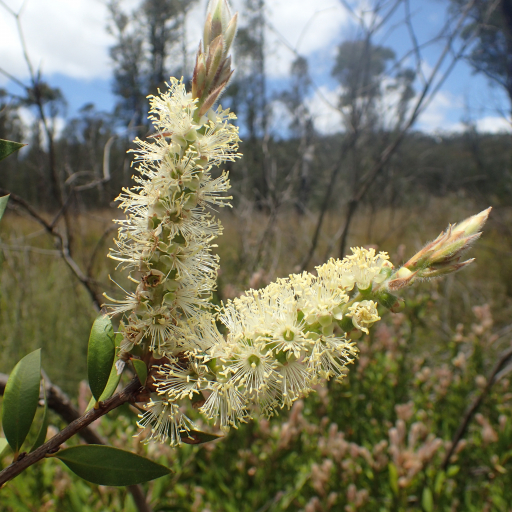
Often called the Lemon Bottlebrush, this Australian native is like a refreshing spritz of citrus for your landscape. While many of its cousins sport fiery reds, Callistemon pallidus stands out with its elegant, pale-yellow spikes that look exactly like the brushes used to clean glass bottles. It is a resilient survivor that brings a touch of "Down Under" charm and a soft, luminous glow to any temperate garden.
🔍 How to Identify
- 🍋 The Blooms: Dainty, cylindrical flower spikes in shades of creamy white to pale lemon-yellow, appearing mostly in late spring and summer.
- 🌿 The Foliage: Narrow, lance-shaped leaves that are often covered in fine, silvery-grey hairs when young, giving the plant a soft, shimmering appearance.
- 🌳 Growth Habit: A sturdy, upright evergreen shrub or small tree that typically reaches between 2 to 5 meters, forming a dense, bushy screen.
🏡 In Your Garden
- ☀️ Sun Seeker: While it can tolerate a bit of shade, the most vibrant "lemon" blooms happen in full sun. It’s a tough cookie that handles coastal winds and light frost with ease once established.
- 🐦 Pollinator Magnet: If you want a garden full of life, this is your plant. The nectar-rich spikes are an "all-you-can-eat" buffet for bees, butterflies, and nectar-feeding birds.
- ✂️ Pruning Strategy: To keep it from getting "leggy" or sparse, give it a light haircut right after the flowers fade. Avoid cutting back into the very old, leafless wood, as it can be slow to recover from deep hacks.
⚠️ Safety & Toxicity
- ✅ Non-Toxic: The Lemon Bottlebrush is generally considered non-toxic to humans, dogs, and cats. It is a popular choice for family-friendly yards.
- ✋ Mechanical Irritation: While not poisonous, the dried seed pods and stiff foliage can be scratchy. Sensitive gardeners may want to wear gloves when pruning to avoid minor skin abrasions.
✨ Fun Fact
The name Callistemon comes from the Greek words kallos (beautiful) and stemon (stamen). This is because the "fuzzy" part of the flower isn't actually the petals, but hundreds of tiny, brightly colored male reproductive organs!

Detailed Care Instructions








