Plant Overview
Often called the "China Aster," this versatile beauty is a late-summer showstopper that bridges the gap between the heat of August and the crisp air of autumn. Though it shares the name "Aster" with many wild species, it belongs to its own unique genus and was first brought to Europe from China by a Jesuit monk in the 1700s. Whether they look like puffy pom-poms or delicate fireworks, these flowers have long symbolized variety and the "afterthought" in the traditional language of flowers.
🔍 How to Identify
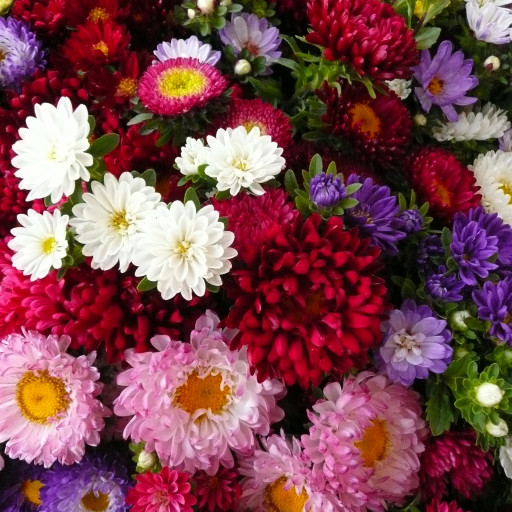
- 🌸 Flower Diversity: The blooms are incredibly varied, ranging from simple daisy-like shapes to dense, ruffled "peony-style" heads in shades of deep violet, hot pink, creamy white, and ruby red.
- 🍃 Foliage: The leaves are ovate (egg-shaped) with deeply jagged or "toothed" edges, providing a dark green, textured backdrop to the bright petals.
- 📏 Growth Habit: This annual can range from compact dwarf varieties (6 inches) to tall, statuesque types reaching 3 feet, all featuring sturdy, slightly hairy stems that branch toward the top.
🏡 In Your Garden
- 🌬️ The Need for Air: While they love basking in full sun, they are highly prone to fungal issues. Giving them plenty of "elbow room" for air to circulate between plants is the best way to keep them healthy.
- 🔄 Crop Rotation: To avoid the dreaded "Aster Wilt" (a soil-borne fungus), expert gardeners recommend never planting them in the same spot two years in a row. They prefer fresh ground or sterilized potting mix.
- ✂️ The Perfect Cut: Because of their long, stiff stems and incredible vase life, they are a favorite for floral arrangements; the more you harvest the blooms, the more the plant is encouraged to produce.
⚠️ Safety & Toxicity
- ✅ Non-Toxic: The China Aster is generally considered safe and non-toxic to dogs, cats, and horses, making it a "worry-free" choice for pet owners.
- 🧤 Skin Sensitivity: While not poisonous, the tiny hairs on the stems and the sap can occasionally cause mild skin irritation or "contact dermatitis" in sensitive individuals. It is best to wear gloves during heavy pruning.
✨ Fun Fact
Unlike many plant families that have dozens of siblings, Callistephus chinensis is a "monotypic" genus. This means it is the only species in its entire genus—a true botanical one-of-a-kind!

Detailed Care Instructions
| Color | Silvery Lilac |
| Soil Ph | 6-8 |
| Humidity | Normal |
| Lighting | Full Sun |
| Soil Type | Fertile, Moist, Well-Drained Soil Or Loam-Based Potting Compost |
| Bloom Time | Midsummer Through Autumn |
| Difficulty | Medium |
| Plant Type | Cool Weather Annual |
| Mature Size | 4-6 Ft When Full Grown |
| Native Area | China And Korea |
| Temperature | 5°C - 25°C |
| Sun Exposure | Full Sun, Or Part-Shade |
| Hardiness Zones | 2-11 |
To grow Callistephus Chinensis, also known as China Aster, follow these steps:
- Select a suitable location: Choose a site that receives full sun or partial shade, as it needs at least 6 hours of direct sunlight per day. Ensure the soil is well-draining, fertile, and rich in organic matter.
- Prepare the soil: Clear the area of any weeds, rocks, or debris. Loosen the soil to a depth of 6-8 inches using a garden fork or tiller. Add compost or well-rotted manure to improve soil fertility, if necessary.
- Start seeds indoors: China Aster can be grown from seeds, which are widely available. Sow the seeds indoors in late winter or early spring, about 6-8 weeks before the last expected frost date in your area. Use seed trays or small pots filled with seed-starting or well-draining potting soil. Plant seeds 1/8 inch deep and lightly cover them with soil. Keep the soil consistently moist and provide bottom heat, if possible, to aid germination.
- Transplant seedlings: Once the seedlings have grown 3-4 inches tall and all danger of frost has passed, transplant them into the prepared garden soil. Space the plants 10-12 inches apart to allow for adequate airflow and growth. Gently loosen the roots of the seedlings before planting, and ensure they are planted at the same depth as they were in the seed trays.
- Watering and care: Water the plants regularly, keeping the soil consistently moist but not waterlogged. China Aster prefers slightly moist soil, so avoid both under-watering and over-watering. Mulch around the plants to retain moisture and suppress weed growth. Fertilize every 4-6 weeks with a balanced, water-soluble fertilizer to promote healthy growth and abundant blooms.
- Support and pruning: China Aster can grow quite tall, so providing support to prevent the plants from toppling over is advisable. Insert stakes or place a trellis nearby, and tie the stems gently with twine as they grow. Removing any damaged or dead stems and spent flowers will encourage continuous blooming.
- Pests and diseases: Monitor for common pests such as aphids, caterpillars, and snails, and take appropriate measures if an infestation occurs. To prevent diseases such as powdery mildew, ensure good air circulation by spacing the plants adequately and avoiding overhead watering.
- Harvesting: China Aster produces beautiful, long-lasting flowers that can be cut for floral arrangements. Cut the flowers early in the morning when they are fully open. Removing faded flowers regularly will encourage more blooms.
Following these steps should help you successfully grow Callistephus Chinensis plants and enjoy their vibrant and showy flowers throughout the growing season.

Place in a bright room that is sun drenched almost all day. Or directly in a south-facing window.

To water this plant properly, you should first assess the soil's moisture level. Stick your finger about an inch into the soil to check if it feels dry or moist. If the soil is dry, it's time to water the plant.
When watering, be sure to avoid getting water on the foliage or flowers, as this can cause them to become moldy or may cause disease issues in the plant. Water should be applied at the base of the plant, preferably with a watering can or a drip irrigation system.
Make sure to water deeply enough so that the water reaches the plant's roots, but be careful not to overwater. If the soil stays saturated with water for too long, the plant's roots may begin to rot.
Typically, it's best to water this plant once a week, but this may vary depending on weather conditions, soil type, and other factors. It's important to monitor the soil's moisture level regularly and adjust your watering schedule accordingly.
In general, it's best to water this plant in the morning or early afternoon, so any excess water can evaporate before nighttime. This helps to prevent issues like fungal diseases, which can occur if moisture lingers on the plant's foliage for too long.
To fertilize this plant, use a balanced, water-soluble fertilizer once a month during the growing season. Mix the fertilizer according to the instructions on the package and apply it to the soil around the base of the plant. Be careful not to get the fertilizer on the leaves or flowers, as this can cause damage. Water the plant thoroughly after fertilizing to help the nutrients penetrate the soil. Avoid fertilizing in the winter or during periods of dormancy.
Callistephus Chinensis plants prefer well-drained soil that is fertile and rich in organic matter. The soil should be moist but not waterlogged, as the plant is susceptible to root rot. It is important to ensure that the soil pH is between 6.0 and 6.5. A soil test can help determine if the pH needs to be adjusted. Adding compost or manure can help improve soil fertility and structure. Mulching around the base of the plants can help retain soil moisture and suppress weed growth. Generally, the soil should be worked to a depth of 6-8 inches before planting and should be kept evenly moist during the growing season.
Callistephus Chinensis is a popular plant that can be propagated through different methods such as seed propagation, stem cuttings, division, and layering.
Seed propagation involves collecting mature and healthy seeds from the parent plant. The seeds must be sown in a well-prepared soil medium and kept in a warm and moist position until they germinate. Seed propagation usually takes several weeks or even months before the seedlings grow healthy enough for transplanting.
Stem cuttings can also be propagated using Callistephus Chinensis. This method involves selecting healthy and strong stems from the plant and rooting them in a rooting hormone before planting them in a well-draining soil medium. The cuttings need to be kept in a warm and humid environment to promote root growth until they can be transplanted into their final growing position.
Division of the plant involves separating healthy rhizomes from the main plant and transplanting them into a new growing position. This method is best done during early spring when the plant is still dormant.
Layering can also be done by burying the lower stems of the plant into the soil, allowing them to develop roots. Once the roots have developed, the new plant can be separated from the parent plant.
Overall, proper propagation requires careful consideration of the plant's current state and environmental factors that promote healthy growth.
Common pests of the china aster include Spider mites, aphids. Make a habit of checking your china aster frequently for pests so that any infestations can be caught and managed early.








