Plant Overview
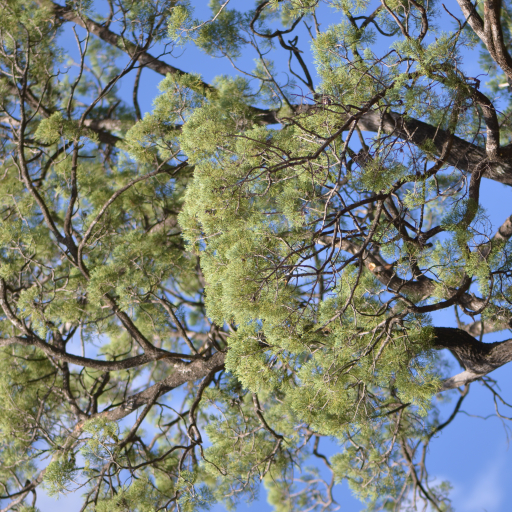
Known widely as the White Cypress Pine, this Australian native is a resilient survivor that carries the refreshing scent of a pristine forest. In its homeland, it is celebrated as a "living fossil" of the Southern Hemisphere, often found standing guard over sandy coastlines or dry inland plains. Whether used as a stately ornamental pillar or a rugged windbreak, it brings a silver-green elegance and an air of ancient history to any landscape.
🔍 How to Identify
- 🌿 Scale-like Foliage: Unlike the long, needle-like leaves of European pines, its foliage consists of tiny, pressed-down scales that hug the twigs closely in distinct whorls of three.
- 🌲 Columnar Profile: True to its species name (columellaris), young trees typically grow in a neat, slender pillar, though they may develop a more spreading, majestic crown as they reach maturity.
- 🌰 Globose Cones: It produces small, woody, marble-shaped cones that are remarkably smooth compared to other conifers, eventually splitting into six "valves" to release winged seeds.
🏡 In Your Garden
- 💨 The Coastal Warrior: This tree is incredibly salt-tolerant and wind-resistant. It is one of the few evergreens that can thrive in the face of harsh sea breezes and sandy, nutrient-poor soils.
- 💧 Dryness is Key: While highly adaptable, the White Cypress Pine has a "deathly" fear of soggy soil. It requires excellent drainage and, once established, is one of the most drought-hardy conifers you can plant.
- 🚫 Sensitive Roots: It possesses a delicate root system that hates being disturbed. It is best to plant it while young and avoid "transplant shock" by choosing its permanent "forever home" right from the start.
⚠️ Safety & Toxicity
- 🐾 Pet Watch: While not considered highly poisonous, the resins and essential oils in the foliage can cause stomach upset or vomiting if chewed on by curious dogs or cats.
- 🧴 Skin Sensitivity: The aromatic oils that give the tree its pleasant scent can cause mild contact dermatitis (an itchy rash) in sensitive individuals, so wearing gloves during pruning is recommended.
✨ Fun Fact
The wood of the White Cypress Pine is naturally packed with a chemical called guaiol, a powerful natural repellent. This makes the timber one of the only softwoods in the world that is naturally "termite-proof," a trait that has made it a legendary building material in the Australian Outback for over a century!

Detailed Care Instructions
To grow a Callitris columellaris plant, also known as the White Cypress Pine or Murray River Pine, you can follow these steps:
- Obtain seeds or starter plants: You can acquire seeds or starter plants from local nurseries, garden centers, or online seed suppliers. Ensure that you are obtaining the genuine species of Callitris columellaris.
- Prepare the planting area: Choose a sunny location with well-draining soil. If necessary, amend the soil with organic matter like compost to improve its quality and drainage. Remove any weeds or other plants from the area.
- Sow the seeds or transplant the starter plants: If using seeds, follow the instructions on the seed packet for sowing depth and spacing. Plant the seeds at the appropriate time based on your climate. If using starter plants, dig a hole slightly larger than the root ball and place the plant in it, ensuring it is planted at the same depth it was in its original container.
- Watering: Water the newly planted seeds or plants thoroughly, ensuring the soil is evenly moist. Afterward, water regularly, especially during dry periods. However, be careful not to overwater as Callitris columellaris prefers well-draining soil.
- Mulching: Apply a layer of organic mulch, such as wood chips or bark, around the base of the plant. This helps conserve moisture, suppress weeds, and maintain a consistent temperature for optimal growth.
- Pruning: Prune the plant as needed to remove any dead or damaged branches. This will help maintain its shape and promote healthy growth.
- Fertilizing: Callitris columellaris typically does not require frequent fertilization. However, a light application of a balanced slow-release fertilizer in early spring can support its growth.
- Pests and diseases: Monitor the plant for any signs of pests or diseases, such as scale, borers, or root rot. If detected, take appropriate measures such as using organic pest control methods or seeking advice from a local garden center or horticulturist.
- Protection from harsh conditions: If grown in an area with extremely hot or cold temperatures, provide some protection, such as temporary shading during summer or winter frost blankets during freezing conditions.
- Patience and maintenance: Callitris columellaris is typically a slow-growing plant. Be patient as it takes time to establish and grow. Regularly monitor its growth, watering needs, and overall health. Ensure that it is receiving adequate sunlight and appropriate care.
By following these steps, you can successfully grow Callitris columellaris and enjoy its unique beauty in your garden or landscape.

Place in a bright room that is sun drenched almost all day. Or directly in a south-facing window.

To water this plant, it is important to take into consideration the soil type and drainage. Generally, this plant prefers well-draining soil and does not like to be waterlogged.
When watering, it is recommended to thoroughly soak the soil until it is moist but not soaked through. It is important to avoid watering too often or too little, as either can lead to root rot or dehydration.
During the growing season, which typically spans from spring to fall, the plant should be watered more frequently as it actively grows and requires more water. In the winter, the plant may require less water as it enters a dormant period.
It is also important to note that this plant can tolerate dry conditions, so it is better to err on the side of underwatering rather than overwatering. As with any plant, it is important to monitor the soil moisture level and adjust watering as necessary.
For best results, apply a balanced fertilizer with equal parts nitrogen, phosphorus and potassium in a ratio of 20-20-20. Fertilize in the spring and summer months, as these are the plant's active growing seasons. Follow the manufacturer's instructions for proper dilution and application rates, as over-fertilization can harm the plant. Apply the fertilizer evenly around the base of the plant, being careful not to get any on the foliage or branches. Water thoroughly after fertilizing to help distribute the nutrients throughout the root system. Always wear protective gloves and eyewear when handling fertilizer.
The soil to use for Callitris Columellaris should be well-draining and slightly acidic. It should consist of a mix of coarse sand, perlite, and peat moss to ensure proper drainage and aeration. The plant requires a soil pH range of 5.5 to 6.5. A soil testing kit can be used to determine the soil pH level and adjust the soil accordingly. Additionally, the soil should be kept moist but not waterlogged, as the plant is sensitive to overwatering. A layer of mulch can be added to the top of the soil to help retain moisture and regulate soil temperature.
To propagate this plant, you can start by collecting seeds from mature plants. It is important to make sure the seeds are fresh and not dried out. Then, place the seeds in a container of water and let them soak for up to 24 hours. This will help to soften the outer seed coat and improve germination rates.
After soaking, plant the seeds in a well-draining soil mix. Cover the seeds lightly with soil, watering lightly afterwards. Keep the soil moist but not too wet, as excessive moisture can lead to seed rot.
Place the container in a warm and well-lit area, such as a bright windowsill or greenhouse. The ideal temperature for germination is between 70 and 80 degrees Fahrenheit.
The seeds should begin to germinate in 2-3 weeks. Once the seedlings are a few inches tall with a few sets of leaves, you can transplant them into individual pots or containers.
When transplanting, be sure to handle the seedlings carefully and avoid disturbing the delicate roots. Water them thoroughly after transplanting and continue to provide them with bright light and consistent moisture.
With proper care, the seedlings should grow quickly and eventually produce mature plants.








