Plant Overview
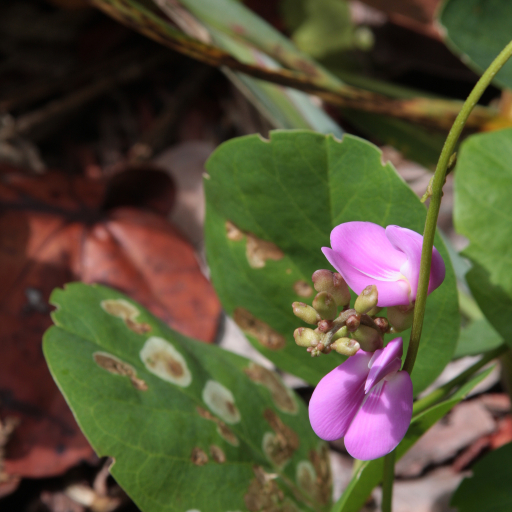
Often called the Beach Bean or Bay Bean, this resilient traveler is a master of the shoreline. From the sun-scorched dunes of the Caribbean to the coasts of Africa and Australia, it acts as a brave pioneer, stabilizing shifting sands with its fast-creeping vines. Its vibrant, "upside-down" flowers add a splash of purple to the salty sea breeze.
🔍 How to Identify
- 🍃 The Leaf Triad: It features thick, leathery leaves that grow in sets of three (trifoliate). These leaves are rounded or oval and feel slightly waxy—a clever adaptation to help the plant retain moisture and resist salt spray.
- 🌸 Inverted Blooms: The flowers are pea-shaped and range from rose-pink to light purple with a white throat. Interestingly, the flowers are "resupinate," meaning they appear upside-down compared to most other legumes.
- 🫛 Sturdy Seed Pods: It produces large, flat green pods that can reach 6 inches in length. As they mature, they turn a woody, tan-brown color and contain buoyant seeds designed for a life at sea.
🏡 In Your Garden
- 🏝️ Coastal Erosion Control: This is a "sand-binder." Because it grows rapidly along the ground, it is one of the best plants for stabilizing dunes or preventing soil erosion in sandy, windy environments.
- ☀️ Drought Specialist: Once established, the Beach Bean is incredibly difficult to kill with heat or thirst. It possesses a deep taproot that seeks out moisture far below the surface. However, this same taproot makes the plant hate being transplanted—once you plant it, leave it be!
⚠️ Safety & Toxicity
- 🐾 Mildly Toxic: While young pods are sometimes eaten in specific cultures after heavy boiling, the raw seeds and pods contain anti-nutritional factors and mild toxins.
- 🤢 Digestive Warning: Ingesting raw parts of the plant, especially the mature seeds, can cause nausea, vomiting, and stomach cramps in humans and pets. It is best enjoyed as a visual groundcover rather than a snack.
✨ Fun Fact
🌊 The Great Voyager: The seeds of the Beach Bean are true "sea beans." They have a hard, waterproof coating and an internal air pocket that allows them to float across entire oceans for years. They can travel thousands of miles on current alone and still sprout the moment they hit a warm, sandy beach!

Detailed Care Instructions
To grow Canavalia Rosea (also known as Bay Bean) plants, follow these steps:
- Climate and Soil Requirements: Canavalia Rosea plants thrive in warm, tropical climates. They prefer sandy, well-drained soil with a pH level around 6.5-7.5.
- Planting Seeds: Soak the seeds in water for 24 hours before planting. Choose a sunny location and prepare the soil by removing any weeds or debris. Dig a hole about 1-2 inches deep and place the seeds in it, spacing them about 3-4 inches apart. Cover the seeds with soil and gently firm down the soil.
- Watering: Keep the soil moist but not waterlogged. Water the plants regularly, especially during dry spells, but avoid overwatering as it can lead to root rot.
- Fertilizing: Canavalia Rosea plants do not require heavy fertilization. Incorporating organic matter into the soil at the time of planting can provide the necessary nutrients. Alternatively, a balanced slow-release fertilizer can be applied once every couple of months, following the package instructions.
- Support: As the plants grow, they develop long vines that need support. You can provide a trellis, fence, or similar structure to allow the vines to climb and spread.
- Pruning: Prune the plants regularly to promote bushier growth. Pinch back the tips of the vines to encourage branching.
- Pest and Disease Control: These plants are relatively resistant to pests and diseases. However, keep an eye out for common garden pests like aphids or spider mites. If necessary, use organic insecticides or neem oil to control pests.
- Harvesting: Canavalia Rosea produces clusters of fascinating seed pods. Allow the pods to mature on the plants until they turn brown and dry. Harvest them by cutting the entire pod cluster from the vines. Open the pods carefully to collect the seeds.
By following these steps, you should be able to successfully grow Canavalia Rosea plants. Remember to provide adequate care, water, and sunlight for healthy growth.

Place in a bright room that is sun drenched almost all day. Or directly in a south-facing window.
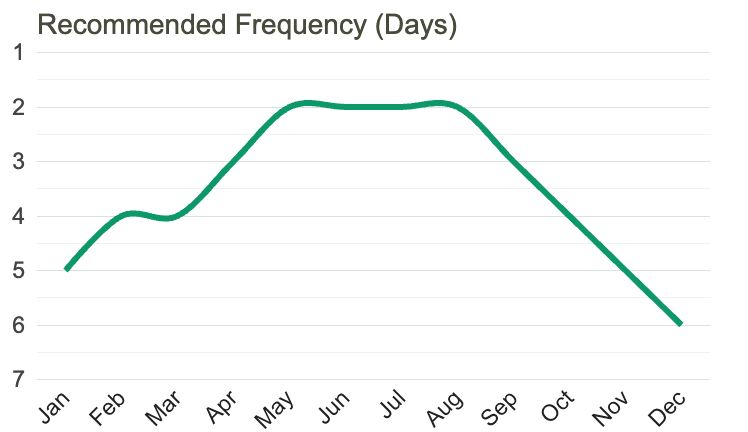
To properly water this plant, first determine the moisture level of the soil by inserting your finger about an inch below the surface. If the soil feels dry, it is time to water. Use a watering can or hose with a gentle flow and water the soil around the base of the plant until it is evenly moist. Avoid getting water on the leaves as this can cause damage or disease. Allow excess water to drain away and do not let the plant sit in standing water. Depending on the climate and humidity levels, this plant may require watering once or twice a week.
To fertilize this plant, use a balanced fertilizer with equal parts of nitrogen, phosphorus, and potassium. Apply the fertilizer every four to six weeks during the growing season. Be sure to water the plant well before and after fertilizing, and avoid getting fertilizer on the leaves or stems. You may also consider using an organic fertilizer, such as compost or well-rotted manure, every two to three months for additional nutrients.
When growing the plant known scientifically as Canavalia Rosea, it is important to use well-draining soil that is rich in nutrients. The ideal soil pH should be between 6.0 and 7.5. A mix of sand, perlite, and loamy soil can provide the proper drainage while also retaining enough moisture for the plant to thrive. It is recommended to avoid heavy clay soils that do not drain well. Additionally, fertilizer can be added to the soil to further enrich it with nutrients.
To propagate this plant, you will need to collect the seeds from mature pods after they have dried on the plant. Make sure to remove any remaining plant debris from the seeds before storing them. You can then sow the seeds in a well-draining potting mix in a warm and bright location. Keep the soil moist but not waterlogged until the seeds germinate in about 7-14 days. Once the seedlings have developed their first true leaves, you can transplant them into individual containers or directly into the garden soil if conditions are favorable. Alternatively, you can propagate the plant from stem cuttings by taking 4-6 inch cuttings from the parent plant and rooting them in water or a rooting hormone-treated soil mix. Place the cuttings in a warm and humid location with bright, indirect light until they develop roots and can be transplanted into their final growing location.








