Plant Overview
Known widely as the Malabar Ironwood or Coromandel Canthium, this hardy, sun-loving shrub is a staple of the scrub jungles and dry plains across South Asia. For centuries, it has served a dual purpose: acting as a formidable "living fence" to protect livestock and providing a wild source of nutrition and medicine for local communities.
🔍 How to Identify
- 🌵 The Thorns: Look for sharp, straight spines that emerge in pairs from the leaf axils (where the leaf meets the stem), giving the plant its defensive "ironwood" reputation.
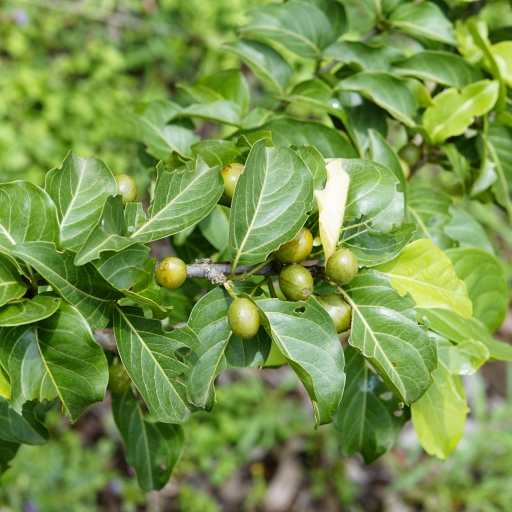
- 🍃 The Foliage: Small, glossy green leaves are arranged in opposite pairs. They are typically oval or heart-shaped with a smooth texture.
- 🌼 The Blooms: Tiny, bell-shaped flowers appear in clusters. They are a pale greenish-white color and emit a subtle, sweet scent that attracts small pollinators.
- 🍒 The Fruit: The plant produces small, round berries that turn from green to a dull yellow or brownish-black when fully ripe.
🏡 In Your Garden
- 🧱 Natural Boundary: Because of its dense growth and intimidating thorns, it is one of the best choices for a low-maintenance security hedge. It effectively keeps out unwanted visitors while providing a safe nesting site for small birds.
- ☀️ Drought Resilience: This plant is a true survivor. It thrives in poor, rocky soil and can withstand long periods of neglect and intense heat, making it ideal for xeriscaping or "set-and-forget" garden areas.
- ✂️ Pruning Nuance: It responds well to heavy pruning, but be sure to wear thick leather gloves; the thorns are remarkably strong and can easily pierce standard gardening mitts.
⚠️ Safety & Toxicity
- 🛡️ Physical Hazard: The primary danger of the Malabar Ironwood is its thorns. They can cause deep puncture wounds if brushed against carelessly.
- 🐾 Non-Toxic: The leaves and fruits are generally considered safe and have a history of use in traditional cooking. It is not known to be toxic to cats or dogs, though the thorns may pose a risk to curious pets.
✨ Fun Fact
In parts of Southern India, the leaves of this plant are not just wild greenery—they are a delicacy! Known as Balusu in Telugu, the tender leaves are often sautéed with lentils and spices to create a nutritious stir-fry believed to have cooling medicinal properties.

Detailed Care Instructions








