Plant Overview
Often called the "Swiss Army Knife" of the kitchen garden, Capsicum annuum is a remarkably diverse species that includes everything from sweet Bell Peppers to fiery Jalapeños and Cayenne. Native to the Americas, these sun-loving plants have been cultivated for thousands of years, evolving from tiny "bird peppers" into the colorful, crunchy, or spicy varieties we love today. Whether you are growing them for a spicy salsa or an ornamental patio display, they are the undisputed royalty of the summer garden.
🔍 How to Identify
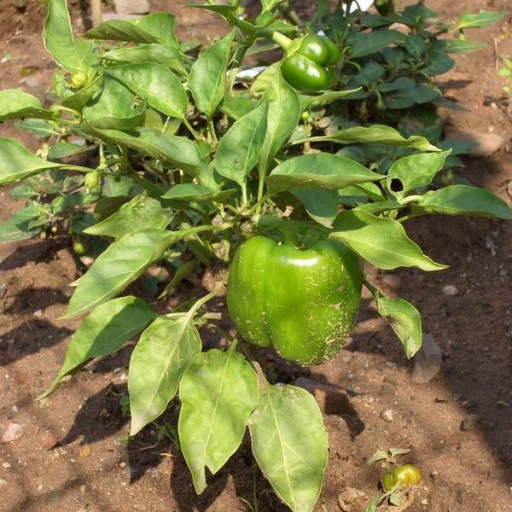
- 🍃 Lush Foliage: Look for smooth, pointed, oval-shaped leaves that grow in an alternate pattern. They are typically a deep, waxy green, providing a beautiful backdrop for the fruit.
- 🌼 Star-Shaped Blooms: The flowers are small, white, or occasionally greenish-white, featuring five to six petals with yellow or purple anthers at the center.
- 🌶️ Versatile Fruit: The fruit is the most distinctive feature—varying from the large, lobed "bell" shape to long, slender, or heart-shaped pods that change color from green to red, orange, or yellow as they ripen.
🏡 In Your Garden
- ☀️ Heat Seekers: These plants are essentially "solar batteries." They require at least 6–8 hours of direct sunlight to produce fruit; without enough heat, the blossoms may drop prematurely.
- 🪴 Container Friendly: Because they have relatively shallow root systems compared to other garden giants, they thrive in pots. This makes them perfect for balcony gardeners who want to harvest fresh snacks right outside their door.
- 🌱 Transplant Sensitivity: Capsicum annuum has a sensitive root system. They prefer to be moved into the garden only after the soil is consistently warm, as a cold snap can "stunt" the plant's growth for the rest of the season.
⚠️ Safety & Toxicity
- 🐾 Pet Safety: As members of the Nightshade family, the leaves and stems contain solanine, which is toxic to dogs and cats. Keep curious nibblers away from the foliage.
- 🔥 Capsaicin Caution: In spicy varieties, the "heat" comes from capsaicin. This oil can cause severe irritation to the eyes, nose, and sensitive skin. Always wear gloves when harvesting or chopping hot peppers.
- 👶 Child Safety: Brightly colored peppers (especially the small, spicy ornamental types) can be very tempting to children. Ensure kids know which ones are sweet and which ones might cause a painful "burn."
✨ Fun Fact
- 🏅 Vitamin C Champion: Most people think of oranges as the ultimate source of Vitamin C, but a red bell pepper actually contains nearly three times as much Vitamin C as a typical orange!

Detailed Care Instructions
Cayenne peppers have a moderate difficulty level to grow. It's important to get their environmental conditions right—especially the warmth and light. And you must ensure that the soil isn't too dry or waterlogged.
How long does it take to grow cayenne peppers?
Cayenne peppers typically take around three months after planting to produce harvestable fruits. They should continue to produce as long as the weather remains warm.
Do cayenne peppers come back every year?
Cayenne peppers are perennial plants in warm climates. However, most gardeners grow them as annuals and replace them with new plants each year.
| Color | Green, Orange, Red, Yellow |
| Soil Ph | 6.0-6.8 |
| Humidity | High |
| Lighting | Full Sun |
| Toxicity | Poisonous |
| Soil Type | Moist, Well-Drained |
| Bloom Time | Spring, Summer |
| Difficulty | Medium |
| Plant Type | Perennial, Grown As Annual |
| Hibernation | Cold Period |
| Mature Size | 4-6 Inches Tall |
| Native Area | Central America, South America |
| Temperature | 21°C - 29°C |
| Sun Exposure | Full Sun |
| Hardiness Zones | 3-11 |
Growing Capsicum annuum (bell peppers or chili peppers) can be a rewarding experience. Here is a step-by-step guide on how to grow them:
- Choose the right location: Capsicum annuum needs a warm and sunny location, preferably with at least 6-8 hours of direct sunlight per day. Make sure the soil is well-draining and fertile.
- Start seeds indoors (optional): You can start the seeds indoors about 8-10 weeks before the last frost date in your area. Fill seed trays or small pots with seed starting mix, plant the seeds as directed on the packet, and keep them in a warm location with ample sunlight or under grow lights. Transplant them into larger pots once they reach a few inches in height.
- Prepare the soil: If you plan to grow the peppers directly in the ground, loosen the soil with a garden fork or tiller. Mix in organic compost or well-rotted manure to improve fertility and drainage.
- Planting: When all dangers of frost have passed and the soil has warmed up, you can transplant the seedlings into your garden or containers. Space them around 18-24 inches apart, allowing enough room for growth. If you're planting in containers, choose pots with good drainage holes.
- Watering: Water the plants deeply, but allow the soil to dry out slightly between waterings. Aim for consistent moisture, not too wet or too dry. Water at the base of the plants to avoid wetting the leaves, which can lead to diseases.
- Fertilizing: Fertilize your pepper plants every 2-3 weeks with a balanced fertilizer or a slow-release organic fertilizer to provide them with essential nutrients. Follow the instructions on the fertilizer packaging for dosage and frequency.
- Support and pruning: As the plants grow, some varieties may require support such as cages or stakes to prevent them from bending or breaking under the weight of the peppers. Additionally, if you notice any suckers (small stems that emerge at the leaf axils), consider pruning them to promote better airflow and fruit production.
- Pests and diseases: Watch out for common pests and diseases that can affect peppers, such as aphids, whiteflies, caterpillars, or fungal diseases like powdery mildew. Regularly inspect the plants, remove any damaged leaves or pests, and consider using organic pest control methods if necessary.
- Harvesting: Peppers can be harvested when they reach the desired size and color. Capsicum annuum varieties can be harvested either when they are green or allowed to fully ripen to their mature color, which can range from red, yellow, orange, or even purple.
Remember to follow local guidelines and regulations for planting and growing plants, and adjust the instructions to your specific climate and growing conditions. Enjoy the process and the tasty fruits of your labor!

Place in a bright room that is sun drenched almost all day. Or directly in a south-facing window.
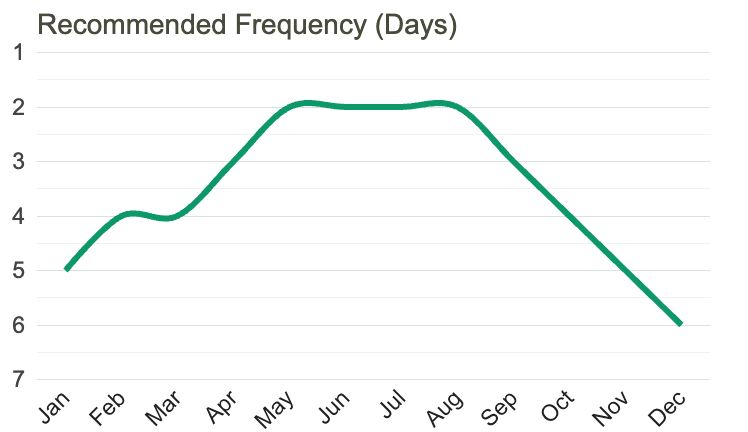
To water this plant, one should first observe the soil moisture levels. The soil should be evenly moist but not waterlogged. It is important to avoid watering the leaves, as this can lead to disease and fungal growth. Instead, water the soil directly at the base of the plant, using a watering can or hose with a gentle flow. Be sure to water deeply, allowing the water to penetrate into the root zone. It is also important to avoid letting the soil dry out completely, as this can cause stress to the plant and reduce fruit yield. Finally, one should monitor the plant regularly and adjust the watering schedule as needed based on weather conditions and the plant's growth and development.
To properly fertilize this plant, use a balanced fertilizer with equal amounts of nitrogen, phosphorus, and potassium. Apply the fertilizer once every two weeks during the growing season, starting when the plant is about 6 inches tall. It is important to avoid over-fertilizing, as this can lead to excessive growth and poor fruiting. Additionally, make sure to water the plant thoroughly after fertilizing to ensure proper absorption of nutrients.
The ideal type of soil for cultivation of Capsicum Annuum plants is a well-draining, fertile soil that is rich in organic matter and has a slightly acidic to neutral pH range of 6.0 to 7.0. The soil should also have good water holding capacity and should not be prone to waterlogging. A sandy loam soil is recommended, as it provides good aeration and drainage for the plants. The soil should also be free from pests and diseases, and regular soil testing should be done to monitor nutrient levels and adjust fertilizer applications accordingly. Adequate sunlight exposure and regular watering are also important factors for successful growth and fruit production.
One way to propagate this plant is through seed propagation. The seeds can be sown indoors in seed starting mix or directly in the garden once the soil temperature has reached at least 60°F (15.5°C). It is important to keep the soil moist and warm (around 70°F/21°C) for successful germination.
Another method of propagation is through vegetative propagation. This can be done by taking stem cuttings from healthy plants and rooting them in rooting hormone before planting. The cuttings should be about 4-6 inches long and taken from the tip of the plant. The rooting process may take 2-3 weeks, after which the new plant can be transplanted to a larger container or garden bed.
The plant can also be propagated through layering, where a low branch is bent to the ground and covered with soil, allowing new roots to form before cutting off the branch from the parent plant. This method requires a bit more patience as it may take a few months for the new plant to fully form.
Regardless of the propagation method used, it is important to provide the new plant with adequate water, light, and nutrients to ensure healthy growth.
Common pests of the pepper include Spider mites, fungus gnats, aphids, thrips, whiteflies. Make a habit of checking your pepper frequently for pests so that any infestations can be caught and managed early.








