Plant Overview
Known famously in the Amazon as the Camaçari, Caraipa densifolia is a majestic evergreen tree that serves as a vital pillar of the South American rainforest. While it is prized for its high-quality timber, it is most celebrated in folklore and traditional medicine for the "healing milk" or resin found within its bark. Its name, densifolia, perfectly describes its thick, lush canopy that provides deep shade and shelter for jungle wildlife.
🔍 How to Identify
- 🍃 Lustrous Foliage: The leaves are leathery, dark green, and incredibly shiny. They grow in a dense, alternate pattern, creating a heavy, opaque canopy.
- 🌸 Star-Shaped Blooms: It produces beautiful clusters of small, white to cream-colored flowers. Each bloom features five delicate petals and a center bursting with numerous yellow stamens.
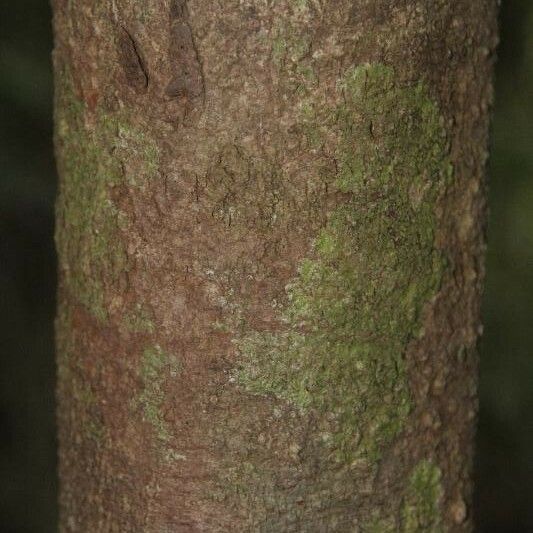
- 🪵 Resinous Bark: The trunk is typically straight with greyish bark. If the bark is nicked, it exudes a thick, aromatic resin that ranges from translucent yellow to deep reddish-brown.
🏡 In Your Garden & Habitat
- ☁️ Humidity Lover: This is a true child of the tropics. It thrives in high-humidity environments and acidic, well-draining soils that mimic the nutrient-rich floor of the Amazon basin.
- 🌳 Large Scale Beauty: Because this species can grow into a massive tree, it is best suited for large estates or botanical collections rather than small backyard gardens. It requires significant vertical and horizontal space to reach its full potential.
⚠️ Safety & Toxicity
- 🟢 Generally Safe: The plant is not considered "poisonous" in the traditional sense, but its resin is highly potent.
- 🧴 Dermal Sensitivity: The sap and resin are used topically in traditional medicine for skin ailments, but raw contact can cause allergic reactions or dermatitis in sensitive individuals or curious pets.
- 🚫 Not for Consumption: While the resin has medicinal history, no part of the plant should be ingested by humans or pets without expert pharmaceutical preparation.
✨ Fun Fact
The resin of the Caraipa densifolia is so effective at treating skin conditions like vitiligo and psoriasis that it is often called "Nature's Liquid Gold" by indigenous healers. It has been used for centuries as a natural shield against fungal infections and skin irritations!

Detailed Care Instructions

Place in a bright room that is sun drenched almost all day. Or directly in a south-facing window.

When the top few inches of soil dry out, water your plants. If the top few inches of soil are still moist, do not water your plant. Wait a few days, then poke your finger into the soil to see if anything has changed. Overwatering poses a disease risk, such as the development of fungal diseases in the roots. These plants have adaptations in there leaves that allow them to survive in low water supply.








