Plant Overview
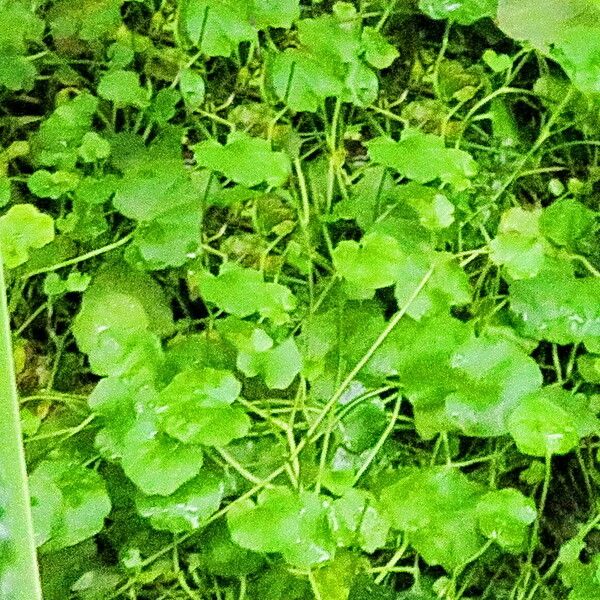
Often called the Chinese Ivy or Japanese Cress, Cardamine lyrata is a whimsical, trailing beauty that blurs the line between land and water. Despite its "ivy" nickname, it is actually a member of the mustard family, sporting delicate, kidney-shaped leaves that look like tiny green lily pads strung along a vine. It is a favorite among aquascapers for creating lush, "marshy" textures in cool-water setups.
🔍 How to Identify
- 🍃 The Foliage: Look for bright, lime-green leaves that are distinctly round or kidney-shaped (reniform) with slightly wavy edges.
- 🌱 Growth Habit: It grows as a creeping or trailing vine. In water, it creates a tangled, ethereal bush; above water, it forms a dense, low-growing carpet.
- 🌼 The Blooms: If allowed to grow above the water line, it produces tiny, four-petaled white flowers typical of the brassica (cress) family.
🏡 In Your Garden & Aquarium
- 💧 Water-Loving Nature: This plant is a "true" hydrophyte. While it thrives completely submerged in an aquarium, it is also perfect for the edges of backyard ponds or "bog gardens" where the soil is constantly saturated.
- 🌡️ Keep it Cool: Unlike many tropical aquatic plants, Cardamine lyrata prefers cooler temperatures. If the water gets too warm (above 80°F/27°C), its leaves will grow smaller and the stems will become thin and "leggy" as it struggles to breathe.
- ✂️ Maintenance: It is a fast grower! You’ll need to prune it regularly to prevent it from choking out slower-growing neighbors. Simply snip a stem and stick it back into the substrate to start a new plant.
⚠️ Safety & Toxicity
- ✅ Safe Status: Cardamine lyrata is generally considered non-toxic to humans, fish, and common household pets like cats and dogs.
- 🐢 Herbivore Alert: Because it is soft and tender, it is a gourmet snack for goldfish and large herbivorous snails. If you want to keep the plant beautiful, pair it with smaller, peaceful community fish.
✨ Fun Fact
In the world of professional "Nature Style" aquascaping (popularized by Takashi Amano), Cardamine lyrata is used to mimic the appearance of hanging vines or sprawling forest floors, giving glass boxes a magical, ancient forest aesthetic.

Detailed Care Instructions
Growing Cardamine lyrata, also known as Japanese Cress or Chinese Ivy, can be a rewarding experience, especially for those who enjoy cultivating aquatic plants for aquascaping or as part of a water garden. Here are some guidelines to help you grow Cardamine lyrata successfully:
Setting Up the Environment
- Aquarium or Pond Setup:
- Cardamine lyrata can be grown both submerged and emersed. If you are growing it submerged, you will need an aquarium. If emersed, you can use a pond or an aquaponic setup.
- Cardamine lyrata can be grown both submerged and emersed. If you are growing it submerged, you will need an aquarium. If emersed, you can use a pond or an aquaponic setup.
- Lighting:
- Cardamine lyrata thrives under moderate to high lighting conditions. Aim for 2-3 watts per gallon if you're using fluorescent lights or the equivalent PAR levels from LED lights.
- Ensure the plant gets at least 8-10 hours of light per day.
- Cardamine lyrata thrives under moderate to high lighting conditions. Aim for 2-3 watts per gallon if you're using fluorescent lights or the equivalent PAR levels from LED lights.
- Water Parameters:
- Temperature: Keep the water temperature between 59-77°F (15-25°C).
- pH Level: Maintain a pH level between 5.0 and 7.5.
- Hardness: Soft to moderately hard water is preferable.
- Temperature: Keep the water temperature between 59-77°F (15-25°C).
- Substrate:
- While Cardamine lyrata can grow in various substrates, a nutrient-rich substrate can promote better growth.
- A fine gravel or sand substrate is ideal for anchoring the roots.
Planting and Care
- While Cardamine lyrata can grow in various substrates, a nutrient-rich substrate can promote better growth.
- Planting:
- Plant the stems into the substrate, ensuring the base is securely anchored. Each stem should be spaced a few inches apart to allow room for growth and spreading.
- You can also float the plant if you prefer, as it can survive in both floating and submerged conditions.
- Plant the stems into the substrate, ensuring the base is securely anchored. Each stem should be spaced a few inches apart to allow room for growth and spreading.
- Nutrients and Fertilization:
- Use a liquid fertilizer suitable for aquatic plants to supply essential nutrients.
- CO₂ injection is not necessary but can boost growth if you're aiming for a high-tech planted tank setup.
- Use a liquid fertilizer suitable for aquatic plants to supply essential nutrients.
- Water Changes:
- Perform regular water changes (about 25-30% weekly) to maintain optimal water quality and prevent the buildup of excess nutrients that could lead to algae growth.
- Perform regular water changes (about 25-30% weekly) to maintain optimal water quality and prevent the buildup of excess nutrients that could lead to algae growth.
- Pruning:
- Regularly trim back any overgrown stems to maintain a manageable size and promote bushier growth.
- Remove any dead or decaying leaves to prevent them from affecting water quality.
Monitoring and Issues
- Regularly trim back any overgrown stems to maintain a manageable size and promote bushier growth.
- Growth Rate:
- Cardamine lyrata is a fast-growing plant, and under ideal conditions, it can quickly cover large areas.
- Cardamine lyrata is a fast-growing plant, and under ideal conditions, it can quickly cover large areas.
- Pest and Disease Management:
- This plant is generally disease-resistant but watch out for signs of nutrient deficiencies, such as yellowing leaves, and address them promptly.
- Avoid introducing pests like snails or fish that may damage the plant.
Propagation
- This plant is generally disease-resistant but watch out for signs of nutrient deficiencies, such as yellowing leaves, and address them promptly.
- Cuttings:
- Propagate Cardamine lyrata by cutting the stems and replanting them in the substrate.
- Ensure that the cuttings have at least a few leaves and are healthy.
By following these guidelines, you can enjoy the beauty and benefits of Cardamine lyrata in your aquatic setup. Happy planting!
- Propagate Cardamine lyrata by cutting the stems and replanting them in the substrate.

Place in a window with dappled sun or a spot in the middle of a room. Or directly in a window facing west or east.

Watering Cardamine lyrata, also known by its scientific name, involves understanding its natural habitat and replicating those conditions as closely as possible. This plant thrives in moist, marshy environments, so here are some detailed guidelines for watering it effectively:
1. **Consistent Moisture**: Ensure that the soil remains consistently moist but not waterlogged. The plant prefers a wet substrate, so frequent watering is necessary. If grown in a container, check the soil's moisture level daily.
2. **Water Quality**: Use dechlorinated water or rainwater if possible, as this plant can be sensitive to the chemicals in tap water. Let the tap water sit out for 24 hours to allow chlorine to evaporate if rainwater is not available.
3. **Drainage**: While the plant likes moist conditions, it’s crucial to ensure good drainage. Excess water should be able to escape to prevent root rot. Using a pot with drainage holes can help maintain the right balance.
4. **Humidity**: This plant thrives in a high-humidity environment. If you’re growing it indoors, consider using a humidity tray or a room humidifier to maintain elevated humidity levels.
5. **Watering Method**: Water the plant at the base to avoid wetting the foliage excessively, which can lead to fungal problems. Water thoroughly until you see it start to drain from the bottom of the pot, ensuring all roots have access to moisture.
6. **Frequency**: The frequency of watering depends on the temperature and the plant's growing conditions. During warmer months or in a dry indoor environment, more frequent watering will be necessary. In cooler conditions, reduce the watering frequency but ensure the soil never dries out completely.
7. **Hydroponics or Semi-Aquatic Setup**: Some growers opt to keep this plant partially submerged in water, reflecting its natural preference for marshy, waterlogged conditions. This setup can be beneficial as long as the water is kept clean and oxygenated.
By following these detailed watering guidelines, you can create an optimal growing environment for Cardamine lyrata, promoting healthy growth and vibrant foliage.
Cardamine lyrata is an attractive aquatic plant known for its delicate, bright green leaves. Here's a guide to fertilizing it:
- Substrate Fertilizers: Use root tabs or substrate-specific fertilizers since Cardamine lyrata often benefits from nutrients absorbed directly through its roots. Place the tabs near the plant's base, following the manufacturer's instructions.
- Liquid Fertilizers: In addition to substrate fertilization, consider using a balanced liquid fertilizer. Look for an all-purpose aquarium plant fertilizer that contains macronutrients (N-P-K: Nitrogen, Phosphorus, Potassium) and essential micronutrients (iron, manganese, etc.). Dose according to the product label, typically once a week.
- CO2 Supplementation: While not absolutely necessary, adding CO2 can significantly enhance growth and health. If you opt for CO2 injection, adjust the levels to maintain a concentration of around 20-30 ppm.
- Light Levels: Ensure the plant gets moderate to high lighting. Insufficient light can lead to poor growth even if fertilization is optimal.
- Water Parameters: Maintain suitable water parameters, including a temperature range of 15-25°C (59-77°F) and a pH of 5.5-7.5. Proper water conditions will help the plant utilize the provided nutrients more efficiently.
Regular monitoring and adjustments based on the plant's growth and color can help fine-tune your fertilization routine. If you notice yellowing leaves or stunted growth, it might be a sign of nutrient deficiencies that need addressing.
Cardamine lyrata is an aquatic plant that thrives in moist environments and can even tolerate submersion. For optimal growth in an aquarium or similar setting, it's important to understand its soil requirements.
- Substrate Type:
- Aquarium Soil: Specialized aquarium soils are highly recommended as they provide a balanced mix of nutrients and have a granular structure, which supports root growth.
- Gravel: Fine or medium-grade aquarium gravel can be used, often in combination with nutrient-rich substrates.
- Sand: Though less ideal than specialized soils, sand can work if it is supplemented with root fertilizers.
- Aquarium Soil: Specialized aquarium soils are highly recommended as they provide a balanced mix of nutrients and have a granular structure, which supports root growth.
- Nutrient Content:
- Nutrient-Rich Substrate: Choose a substrate designed to release essential nutrients slowly over time. These substrates generally contain macro and micronutrients required by aquatic plants.
- Fertilizers: If using inert substrates like gravel or sand, consider adding root tabs or liquid fertilizers specifically formulated for aquatic plants.
- Nutrient-Rich Substrate: Choose a substrate designed to release essential nutrients slowly over time. These substrates generally contain macro and micronutrients required by aquatic plants.
- pH and Hardness:
- pH Level: This plant thrives best in slightly acidic to neutral pH levels, ideally between 6.0-7.5.
- Hardness: Soft to moderately hard water conditions tend to be ideal. Ensure the soil or substrate you choose does not significantly alter the water chemistry in a way that could harm the plant.
- pH Level: This plant thrives best in slightly acidic to neutral pH levels, ideally between 6.0-7.5.
- Aeration and Drainage:
- Even in submerged conditions, having a substrate that allows for some water movement and root aeration is beneficial. Dense, compact substrates can hinder root growth and lead to poor health.
- Even in submerged conditions, having a substrate that allows for some water movement and root aeration is beneficial. Dense, compact substrates can hinder root growth and lead to poor health.
- Substrate Depth:
- Ensure the substrate layer is deep enough to anchor the roots properly. Generally, a depth of around 2-3 inches (5-8 cm) is sufficient.
By focusing on these factors, you can create an optimal growing environment for your Cardamine lyrata, ensuring it thrives and contributes to the overall health of your aquatic ecosystem.
- Ensure the substrate layer is deep enough to anchor the roots properly. Generally, a depth of around 2-3 inches (5-8 cm) is sufficient.
Propagating Cardamine lyrata is a rewarding process due to its resilient nature and adaptability. This aquatic plant thrives in a range of conditions if given proper care. Here's a detailed guide on how to propagate it:
1. Materials Needed:
- A healthy parent plant
- Sharp, clean scissors or garden shears
- Aquatic planting medium (if planting in soil) or aquatic containers
- Clean water
- Planting substrate (like sand or gravel) if used in an aquarium
2. Propagation Methods:
Stem Cuttings:
- Select Healthy Stems: Identify healthy, vigorous stems from the parent plant. Make sure the stems you choose are free from any diseases or pests.
- Cut the Stems: Using sharp, sterilized scissors or garden shears, cut 4-6 inches of stem. Ensure the cutting includes at least a couple of leaf nodes (the points on the stem where leaves emerge).
- Remove Lower Leaves: Gently remove the lower leaves from the cuttings, leaving the top leaves intact. This helps prevent the leaves from rotting when submerged in water or buried in substrate.
- Rooting in Water or Soil:
- In Water: Place the cuttings in a container filled with clean, chlorine-free water. Make sure the lower nodes are submerged. Place the container in a well-lit area but out of direct sunlight. Change the water every few days to prevent stagnation and encourage rooting. After a few weeks, you should notice roots developing from the nodes.
- In Soil: If you prefer planting in a substrate, insert the cuttings into a nutrient-rich, moist soil. Make sure at least one node is buried. Maintain high humidity and consistent moisture to encourage root growth.
3. Planting and Growing:
- In Water: Place the cuttings in a container filled with clean, chlorine-free water. Make sure the lower nodes are submerged. Place the container in a well-lit area but out of direct sunlight. Change the water every few days to prevent stagnation and encourage rooting. After a few weeks, you should notice roots developing from the nodes.
- Transplanting: Once the cuttings have developed a robust root system (this may take a few weeks), they can be transplanted to their permanent location. If rooted in water, gently transfer them to soil or your chosen aquatic substrate.
- Environmental Conditions:
- Aquatic Setup: Ensure the plant is adequately submerged in an aquarium or pond, with good water circulation and appropriate lighting. They thrive in moderate to high light conditions.
- Terrarium Setup: If planted in a terrarium or paludarium, maintain high humidity and a consistent temperature, keeping the soil consistently moist but not waterlogged.
- Aquatic Setup: Ensure the plant is adequately submerged in an aquarium or pond, with good water circulation and appropriate lighting. They thrive in moderate to high light conditions.
- Maintenance:
- Pruning: Regularly prune the plant to prevent it from becoming too leggy. This will also encourage bushier growth.
- Feeding: Provide occasional fertilization with an aquatic plant fertilizer to promote healthy growth.
By following these steps, you can successfully propagate Cardamine lyrata and enjoy its lush greenery in your aquatic or semi-aquatic environments.
- Pruning: Regularly prune the plant to prevent it from becoming too leggy. This will also encourage bushier growth.







