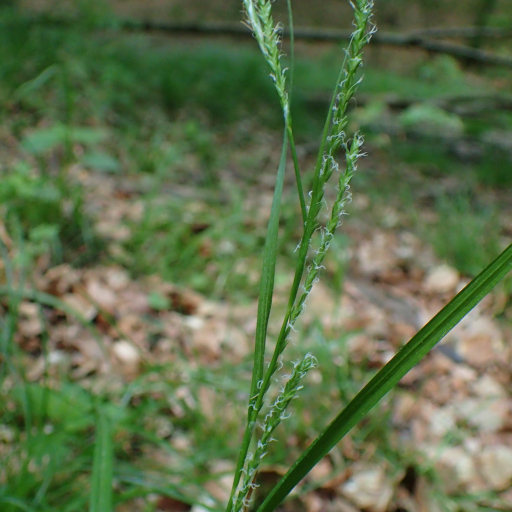
Plant Overview
Often called the Thin-spiked Wood Sedge, this elegant perennial is a quiet dweller of ancient European and Western Asian woodlands. Unlike the flashy blooms of a traditional garden border, it offers a graceful, weeping silhouette that signals a healthy, undisturbed ecosystem. It is a master of the "wild look," perfect for bringing texture to damp, shaded corners where little else thrives.
🔍 How to Identify
- 🌿 The Leaves: Features broad, bright green ribbons that form lush, fountain-like tufts. They are noticeably wider than many other common garden sedges.
- 🌾 The Spikes: Its most defining trait—extraordinarily long, hair-thin, pale green flowering spikes that droop elegantly like delicate tassels.
- 📏 Growth Habit: It grows in dense, non-creeping clumps (tufts). The slender, triangular stems arch gracefully under the weight of the seeds, often reaching up to 2 feet in height.
🏡 In Your Garden
- 💧 Moisture Context: This sedge is a moisture-lover through and through. It naturally seeks out heavy clay soils that retain water, making it an excellent "problem-solver" plant for those soggy, shaded spots where standard turf grass struggles.
- 🌳 The Shade Factor: In the wild, it lives under the deep canopy of ancient oaks and beeches. In a home landscape, it demands dappled sunlight or full shade; harsh afternoon sun will quickly bleach its vibrant green foliage to a sickly yellow.
⚠️ Safety & Toxicity
- ✅ Safe Status: Carex strigosa is generally considered non-toxic and is safe to plant around curious dogs, cats, and children.
- 🧤 Leaf Edges: While not chemically toxic, the leaves of most sedges have tiny, microscopic serrations. If you are dividing a large clump or clearing old foliage, wear gloves to avoid minor "grass cuts" on your hands.
✨ Fun Fact
- 🕰️ The Time Traveler: In ecology, this plant is considered an "Ancient Woodland Indicator." Finding it growing wild in a forest often suggests that the land has been continuously wooded since at least the year 1600! It is a living link to the historic landscapes of the past.

Detailed Care Instructions
Carex strigosa, also known as tufted sedge, is a low-growing ornamental grass that can be easily grown in a variety of conditions. Here are some tips on how to grow Carex strigosa successfully:
- Choose the right location: Carex strigosa prefers partial to full shade, although it can tolerate some sun. It also thrives in moist, well-drained soil, but can tolerate periods of drought once established.
- Planting: Plant Carex strigosa in spring or fall in a location with the right conditions as mentioned above. Plant them at the same level they were in the pot and space them at least 6-12 inches apart.
- Watering: Keep the soil consistently moist, especially during the establishment period. Water regularly, particularly during dry spells, but make sure not to overwater as this can cause root rot.
- Fertilizing: Carex strigosa does not typically require much fertilization. You can apply a balanced, slow-release fertilizer in the spring to help promote healthy growth.
- Mulching: Mulch around the base of the plant with a layer of organic mulch to help retain moisture and suppress weeds.
- Pruning: Carex strigosa does not require much pruning, but you can trim back any dead or yellowing foliage in the spring to encourage new growth.
- Propagation: Carex strigosa can be propagated by division in the spring or fall. Simply divide the plant into smaller clumps and replant them in a suitable location.
By following these tips, you should be able to successfully grow Carex strigosa and enjoy its unique texture and form in your garden.
To water this plant, you should first check the soil moisture level by inserting your finger into the soil. If the soil feels dry, it is time to water the plant. Use a watering can or hose to gently water the soil around the plant, being careful not to drench the leaves or stems. Allow the water to soak into the soil for a few minutes, then check the soil again to make sure it is evenly moist. Avoid overwatering, as this can lead to root rot and other issues. In general, it is best to water this plant deeply but infrequently, allowing the soil to dry out slightly between waterings.
Fertilize Carex Strigosa plants in early spring before new growth appears. Use a balanced, slow-release fertilizer, applying according to package instructions. Water the plant well after fertilizing to help the nutrients penetrate the soil. Avoid over-fertilizing, as this can cause damage to the plant. Repeat the fertilizing process every 6-8 weeks during the growing season to promote healthy growth.
Carex Strigosa plant prefers a well-draining soil which is rich in organic matter. It thrives in a soil that is slightly acidic to neutral in pH and should not be exposed to waterlogged conditions. A soil mix containing peat moss, perlite, and organic compost would be most suitable for this plant. The ideal soil pH for Carex Strigosa plant is between 5.5 to 7.5. It is recommended to avoid using heavy soils or those that retain too much moisture as they can lead to root rot and other fungal diseases. Regular feeding is also important to ensure the plant has adequate nutrients to sustain its growth.
Carex Strigosa can be propagated through division in the spring or early fall. To do this, carefully dig up the plant and separate the clumps into smaller sections, making sure each section has roots attached. Replant these divisions in a suitable growing medium, ensuring they are kept consistently moist until they establish themselves. Additionally, seeds from the plant can be collected and sown in a seed-starting mix, then kept warm and moist until they germinate. It is important to provide adequate sunlight and humidity for the new plants to thrive.








