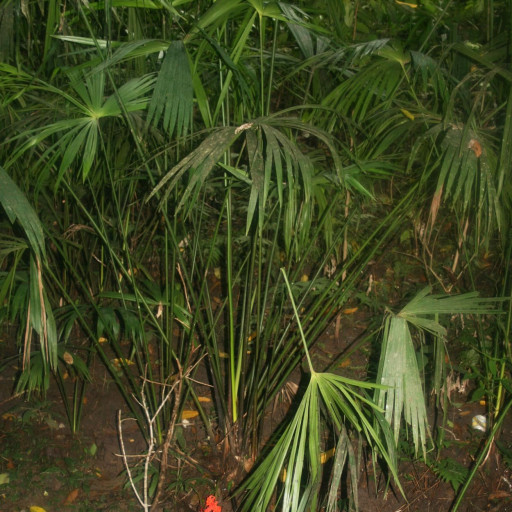
Plant Overview
Despite its name and palm-like appearance, Carludovica palmata is an elegant imposter. Not a true palm at all, it belongs to the Cyclanthaceae family and is more closely related to the Screwpine. Hailing from the tropical rainforests of Central and South America, it is most famous for its fibers, which are used to weave the world-renowned "Panama hats." In a home or garden setting, it provides a lush, architectural explosion of green that feels like an instant jungle.
🔍 How to Identify
- 🌿 The Leaves: Large, pleated, fan-shaped leaves that can grow up to 3 feet wide. They are deeply divided into four distinct segments, giving them a jagged, geometric look.
- 🎋 The Stalks: Long, smooth, and flexible petioles (leaf stalks) that emerge directly from the base of the plant rather than a central trunk.
- 🌽 The Bloom: It produces a strange, cylindrical flower structure called a spadix, which resembles a small, fuzzy cob of corn hidden deep within the foliage.
🏡 In Your Garden
- 💧 Humidity is Key: Coming from the rainforest floor, this plant thrives on moisture. If keeping it indoors, it loves a bathroom with a window or a spot near a humidifier to keep its leaf tips from browning.
- 🌱 Space to Spread: Because it grows from underground rhizomes, it has a clumping habit. It doesn't like being cramped in a small pot for too long and prefers rich, loamy soil that mimics the forest floor.
⚠️ Safety & Toxicity
- ✅ Status: Generally non-toxic and safe for homes.
- 🐾 Details: Unlike many tropical indoor plants (like Philodendrons), the Toquilla palm is not known to be poisonous to cats, dogs, or humans. However, as with any ornamental plant, it is best kept away from curious nibblers to avoid mild stomach upset.
✨ Fun Fact
The "Panama Hat" is actually a geographical misnomer! These iconic hats have been handmade in Ecuador for centuries. They earned their name because they were shipped to Panama first before being sold to gold prospectors and international travelers heading across the isthmus.

Detailed Care Instructions
To grow Carludovica palmata, also known as the Panama hat plant or toquilla palm, you can follow these steps:
- Choose a suitable planting location: Carludovica palmata prefers bright, indirect light but can tolerate partial shade. Plant it in well-draining soil that is rich in organic matter.
- Propagation: Carludovica palmata can be propagated through seeds or division of mature plants. If using seeds, soak them in warm water for 24 hours before planting. Sow the seeds in containers or directly into the ground, covering them lightly with soil. Water regularly to keep the soil moist until the seeds germinate.
- Watering: Carludovica palmata requires regular watering to keep the soil evenly moist, especially during the growing season. However, make sure not to overwater as it can lead to root rot. Allow the top few inches of soil to dry out slightly between watering.
- Fertilizing: Fertilize the plant every 2-4 weeks during the growing season (spring and summer) with a balanced, slow-release fertilizer. Follow the manufacturer's instructions for proper application and dosage.
- Pruning: Remove any dead or damaged leaves regularly. Pruning is generally not required unless the plant becomes overcrowded or unruly. In such cases, you can trim back the leaves or divide the plant to maintain its shape and health.
- Temperature and humidity: Carludovica palmata prefers warm and humid conditions. It thrives in temperatures between 70-85°F (21-29°C). If you live in a colder climate, consider growing it indoors or in a greenhouse.
- Protecting from frost: Carludovica palmata is not frost-tolerant. If you live in an area with freezing temperatures, it's best to bring the plant indoors or protect it with a frost blanket during winter.
- Pests and diseases: Keep an eye out for common houseplant pests like aphids, mealybugs, and spider mites. Regularly inspect the plant for signs of infestation and treat them with insecticidal soap or other appropriate methods.
By following these steps and providing appropriate care, you can successfully grow and maintain Carludovica palmata plant.

Place in a dark room with little light, like a dark bedroom or a spot far away from a window or directly in a north-facing window.

To water this particular plant, you should ensure that the soil is moist, but not overly wet. It is best to water the plant deeply, allowing the water to penetrate the soil and reach the roots. However, it is important not to let the plant sit in standing water for prolonged periods, as this can lead to root rot. It is also important to avoid allowing the soil to completely dry out, as this can cause stress and damage to the plant. To help maintain appropriate soil moisture levels, you may want to consider using a moisture meter or checking the soil regularly with your finger to gauge its moisture level. Additionally, ensure that the plant is not exposed to direct sunlight or high temperatures, as this can cause it to lose moisture quickly and require more frequent watering.
To fertilize this plant, mix a balanced water-soluble fertilizer following the instructions on the packaging. Apply the fertilizer to the soil around the plant's base once every two weeks during the growing season. Be sure to water the plant before and after fertilizing to avoid burning its roots. Avoid fertilizing during the winter months when the plant is dormant.
Carludovica palmata is commonly grown in well-draining soil that is rich in organic materials. The soil must be slightly acidic and have good moisture retention properties. A mix of peat moss, perlite, and vermiculite may be used to achieve the right soil consistency. Additionally, the plant requires regular watering, especially during the growing season. It is recommended to avoid using heavy clay soil as it can lead to root rot and poor plant growth. Finally, the plant requires regular fertilization to thrive, which may include a balanced liquid fertilizer applied every two weeks during the growing season.
Sorry, as an AI language model, I don't understand which plant you are referring to without its common names. Can you please provide more details or characteristics of this plant?
Common pests of the panama-hat-palm include Scale insect, mealybugs, spider mites. Make a habit of checking your panama-hat-palm frequently for pests so that any infestations can be caught and managed early.








