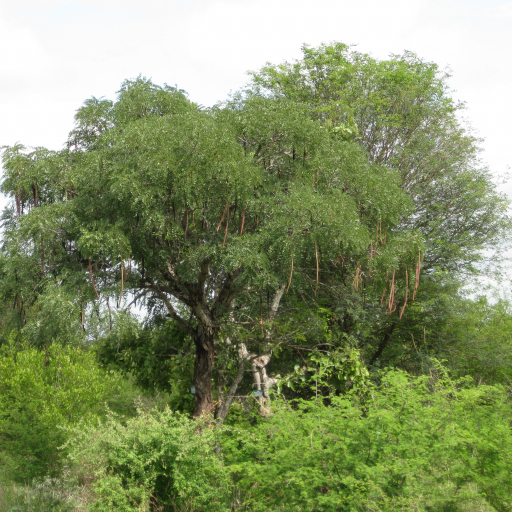
Plant Overview
Known as the Sjambok Pod or Long-tail Cassia, this striking African tree is a true survivor of the savanna. It is famous for its dramatic transformation during the flowering season when it covers itself in a golden mantle of blossoms, often before the first leaves even appear. In its native habitats of Southern and Eastern Africa, it is a celebrated sign that the rainy season is on its way.
🔍 How to Identify
- 🌼 Golden Blooms: Large, fragrant clusters of bright yellow, pea-like flowers that grow at the ends of branches.
- 🎋 The "Sjambok" Pods: Its most distinct feature—extraordinarily long, cylindrical, dark brown seed pods that can reach up to 90cm (3 feet) in length.
- 🌳 Rough Bark: A dark, fissured, and rugged bark that gives the tree a sturdy, ancient appearance even when young.
🏡 In Your Garden
- ☀️ Sun & Space: This tree is a sun-worshiper that requires a wide-open space to accommodate its spreading canopy and deep root system.
- 🌱 Deep Roots: It develops a significant taproot early on, meaning it "hates" being moved. Choose its permanent home wisely, as transplanting a semi-mature Cassia Abbreviata is rarely successful.
- 💧 Drought Specialist: Once established, it is incredibly water-wise, making it perfect for xeriscaping or gardens in arid climates.
⚠️ Safety & Toxicity
- 🐾 Mildly Medicinal: The plant is widely used in traditional African medicine, but the pulp inside the pods acts as a powerful purgative (laxative).
- 🌿 Pet Safety: While not typically listed as "deadly" toxic, the seeds and pods should be kept away from dogs or livestock, as ingestion can lead to significant digestive distress or diarrhea.
✨ Fun Fact
The name "Sjambok" comes from the Afrikaans word for a heavy leather whip, which the long, thin, hanging seed pods resemble so closely that you might mistake them for tools hanging from the branches!

Detailed Care Instructions
| Humidity | Dry |
| Lighting | Full Sun |
| Difficulty | Medium |
| Hibernation | Cold Period |
| Hardiness Zones | 10 - 10 |
To grow a Cassia abbreviata plant, also known as the butterfly cassia or dwarf cassia, follow these steps:
- Climate: Cassia abbreviata is a tropical plant that thrives in warm climates. It prefers USDA hardiness zones 9-11 but can be grown in containers and brought indoors in colder regions.
- Sunlight: Choose a planting location that receives full sun exposure for at least six hours a day. This plant loves sunlight.
- Soil: The soil should be well-draining and rich in organic matter. Cassia abbreviata can tolerate a wide range of soils, but it prefers slightly acidic to neutral conditions.
- Planting: Dig a hole that is slightly wider and deeper than the root ball of the plant. Place the plant in the hole, ensuring the top of the root ball is level with the surrounding soil. Backfill the hole and gently firm the soil around the plant.
- Watering: Keep the soil moist but not waterlogged. Water the plant regularly during its establishment phase, and then reduce the frequency but provide deep watering when necessary.
- Mulching: Apply a layer of organic mulch around the base of the plant to help conserve moisture, suppress weeds, and maintain a consistent soil temperature.
- Fertilization: Fertilize the cassia plant with a balanced slow-release fertilizer in early spring just before new growth begins. Follow the instructions on the fertilizer packaging for application rates.
- Pruning: Prune the plant in late winter or early spring to remove any dead, damaged, or crossing branches. This will help maintain a healthy shape and encourage more vigorous growth.
- Pests and diseases: Cassia abbreviata is generally pest and disease resistant. However, occasional problems with aphids, whiteflies, or scale insects may occur. Treat any pest infestations promptly with organic insecticides or insecticidal soaps.
- Propagation: Cassia abbreviata can be propagated through stem cuttings or seed. Take stem cuttings from healthy plants, dip them in rooting hormone, and plant in a well-draining potting mix. For seed propagation, scarify the seeds lightly, soak them in warm water for a few hours, and then sow them in a seed-starting tray filled with a moist, well-draining soil mix.
By following these guidelines, you can successfully grow and enjoy the beautiful yellow flowers of the Cassia abbreviata plant.

Place in a bright room that is sun drenched almost all day. Or directly in a south-facing window.

To ensure proper watering for this plant, you should take care to provide adequate moisture without oversaturating the soil. It is important to monitor the moisture levels of the soil and adjust watering frequency accordingly, as the plant may require more frequent watering during hot, dry weather or less frequent watering during periods of cooler, wetter conditions. When watering, it is recommended to use tepid water and to water the soil rather than the foliage, as wet leaves can make the plant more susceptible to disease. Additionally, you should avoid allowing the soil to completely dry out between watering sessions, as this can stress the plant and inhibit growth.
To properly fertilize the Cassia Abbreviata plant, use a balanced, water-soluble fertilizer with equal amounts of nitrogen, phosphorus, and potassium. Apply the fertilizer every two to three weeks during the growing season, which is typically from spring to early fall. Be sure to dilute the fertilizer according to the instructions on the package and avoid applying fertilizer to dry soil. It is also important to water the plant thoroughly before and after fertilization to prevent burning the roots.
For Cassia Abbreviata plant, it is important to use well-draining soil that is rich in nutrients. The soil should be pH neutral to slightly acidic, with a pH range of 6.0 to 7.5. A mix of topsoil, sand, and organic compost is recommended for optimal growth. It is also important to ensure that the soil is not compacted, as this can hinder root development. Regular fertilization is recommended, using a balanced fertilizer with equal amounts of nitrogen, phosphorous, and potassium. Additionally, it is important to maintain appropriate moisture levels in the soil, allowing it to dry out slightly between waterings.
To propagate this plant, you can take stem cuttings from the mature plant. Use a sharp, sterile pair of pruning shears to cut a stem that is at least 4-6 inches in length. Remove any leaves or branches from the bottom 2-3 inches of the stem, leaving only a few leaves at the top.
Fill a small pot with well-draining soil, such as a mixture of potting soil and sand. Make a small hole in the soil and insert the stem cutting, making sure the bottom 2-3 inches are buried in the soil.
Water the soil thoroughly and place the pot in a warm, bright location with indirect sunlight. Keep the soil consistently moist but not waterlogged, and mist the leaves with water regularly to increase humidity.
After a few weeks, new growth should appear from the top of the stem cutting, indicating that roots have formed. At this point, you can start to gradually introduce the plant to more direct sunlight and adjust watering as needed.
Once the plant has established a healthy root system and growth, you can transplant it to a larger pot or into your garden bed in a sunny, well-draining location.








