Plant Overview
Known as the Bush Grape or Three-leaved Cayratia, Causonis trifolia is a vigorous perennial climber that behaves like the wild, rebellious cousin of the common grapevine. Found sprawling across fences and forest floors throughout Asia and Australia, it is a master of vertical expansion. While its dainty clusters of dark berries look inviting, this vine is more than just a pretty face—it’s a plant with a complex chemistry and a rich history in traditional folklore.
🔍 How to Identify
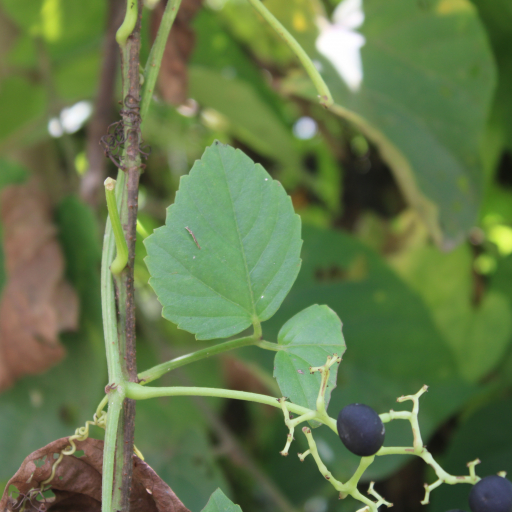
- 🍃 The Triple Threat: Its most defining feature is its "trifoliate" leaves—each leaf stalk holds exactly three distinct, oval-shaped leaflets with noticeably jagged or saw-toothed edges.
- 🪝 Coiling Tendrils: To find its way upward, the plant produces thin, wiry tendrils that grow directly opposite the leaves, acting like natural bungee cords to grip onto branches or wires.
- 🍇 Inky Berries: It produces tiny, greenish-white flowers that eventually turn into small, flattened spherical berries. These transition from a fleshy green to a glossy, deep purple-black when ripe.
🏡 In Your Garden
- 🧱 Vigorous Climbing: If you find this in your garden, be prepared for its speed. It is an excellent choice for a "living wall" or covering an unsightly chain-link fence, but it requires regular pruning to prevent it from smothering smaller, slower-growing plants.
- 💧 Thirst for Humidity: This plant thrives in tropical and subtropical conditions. It prefers consistently moist soil and high humidity; if the air is too dry, the leaf tips may begin to brown and curl.
⚠️ Safety & Toxicity
- 🚫 Skin & Mouth Irritant: The sap and raw fruit of the Bush Grape contain microscopic, needle-like crystals called calcium oxalates.
- 🐾 Handle with Care: Touching the sap can cause localized skin irritation or "the itches" for sensitive individuals. Ingestion by pets or children can cause a burning sensation in the mouth and throat swelling. It is strictly not for snacking!
✨ Fun Fact
In traditional medicine across parts of Southeast Asia, the roots of this plant are ground into a paste and applied as a poultice to help "bind" and heal bone fractures—earning it a reputation as a natural biological cast!

Detailed Care Instructions
Growing Causonis trifolia, also known as "three-leaved wild vine" or "fox grape," involves a few key steps to ensure the plant thrives. Here is a guide on how to grow this plant:
1. Choosing the Right Location
- Sunlight: Causonis trifolia prefers partial to full sunlight. Choose a spot that gets at least a few hours of direct sunlight each day.
- Soil: The plant is adaptable to various soil types but thrives in well-draining, fertile soil. If your soil is heavy clay or sandy, consider amending it with organic compost to improve its structure and nutrient content.
2. Planting
- Seeds: Start with Causonis trifolia seeds, which you can either purchase or harvest from mature berries.
- Sowing: Sow the seeds about 1/4 inch deep in seed trays or directly in the soil if the climate is suitable.
- Germination: Keep the soil moist but not waterlogged. Germination can take several weeks, so be patient.
- Sowing: Sow the seeds about 1/4 inch deep in seed trays or directly in the soil if the climate is suitable.
- Seedlings or Cuttings: If planting seedlings or cuttings, ensure the young plants are in good condition before transplanting them outdoors.
- Transplanting: Space them about 3 feet apart to allow room for growth. Dig a hole twice the size of the root ball, place the plant in the hole, and backfill with soil. Firmly press the soil around the base.
3. Watering
- Transplanting: Space them about 3 feet apart to allow room for growth. Dig a hole twice the size of the root ball, place the plant in the hole, and backfill with soil. Firmly press the soil around the base.
- Keep the soil consistently moist, especially during the first few months of growth. Once established, Causonis trifolia is relatively drought-tolerant but benefits from regular watering during dry periods.
- Avoid waterlogging, as excessive moisture can lead to root rot.
4. Feeding
- Fertilization: Apply a balanced fertilizer such as 10-10-10 (N-P-K) during the growing season to support healthy growth. Fertilize sparingly to avoid over-fertilization, which can harm the plant.
5. Support
- Trellis or Support Structure: Causonis trifolia is a climbing vine, so it will need a trellis, fence, or some other structure to climb on. Install the support early to guide the plant as it grows.
6. Pruning and Maintenance
- Regularly prune the vine to maintain its shape and encourage bushier growth. Remove any dead or diseased parts to keep the plant healthy.
- Pruning also helps to control its spread, as it can grow vigorously under optimal conditions.
7. Pest and Disease Management
- Pests: Keep an eye out for common pests like aphids or spider mites. Treat infestations promptly with insecticidal soap or neem oil.
- Diseases: Ensure good air circulation around the plant and avoid overhead watering to prevent fungal diseases.
8. Overwintering
- In colder climates, protect the plant during the winter. Mulching around the base can help insulate the roots. In regions with severe frost, consider growing the plant in a container so it can be moved indoors.
By following these steps, you can successfully cultivate Causonis trifolia and enjoy its ornamental beauty and potential fruit production in your garden.
Causonis trifolia, a climbing vine, requires specific care when it comes to watering to ensure healthy growth. Here are detailed instructions on how to water this plant effectively:
- Soil Moisture: The soil should be consistently moist but not waterlogged. This plant thrives in well-draining soil, so make sure the pot or ground where it's planted allows excess water to escape, preventing root rot.
- Watering Frequency: During the growing season, which is typically spring through early fall, water the plant thoroughly whenever the top inch of soil feels dry to the touch. This might translate to watering once a week, but always check soil moisture before watering.
- Watering Depth: When you water, ensure the water penetrates deep into the soil. This encourages the roots to grow deeper, contributing to a more robust root system.
- Time of Day: Early morning is the best time to water, as it allows the moisture to be absorbed before the heat of the day, which reduces evaporation. Evening watering is also fine if the soil is well-draining, to avoid prolonged wet conditions.
- Amount of Water: Generally, water until you see excess moisture beginning to drain from the bottom of the pot or ground. This ensures that the entire root system receives adequate water.
- Seasonal Adjustments: In the cooler months or dormant period, reduce watering frequency. The plant requires less water during this time, as its growth slows down.
- Water Quality: If possible, use rainwater or distilled water rather than tap water, which can sometimes contain chemicals like chlorine or fluoride, potentially harmful to the plant over time.
- Monitoring During Heatwaves: Pay special attention during particularly hot spells. The soil can dry out more quickly, and you might need to increase the watering frequency to compensate for higher evaporation rates.
By following these guidelines, you can maintain the right moisture balance that Causonis trifolia needs for healthy growth and development.
To properly fertilize Causonis trifolia, follow these guidelines:
- Choose the Right Fertilizer: Opt for a balanced, all-purpose fertilizer with an N-P-K ratio of about 10-10-10 or 20-20-20. You could also use a slow-release granular fertilizer formulated for ornamental plants.
- Frequency: During the growing season (spring through early autumn), fertilize every 4-6 weeks. Reduce feeding in the late autumn and winter months as the plant's growth slows down.
- Application Method:
- Granular Fertilizer: Spread the granules evenly around the base of the plant, avoiding direct contact with the stem. Water thoroughly after application to help the nutrients seep into the soil.
- Liquid Fertilizer: Mix the liquid fertilizer with water as per the package instructions. Apply the diluted solution to the soil around the plant base every 4-6 weeks during the growing season.
- Granular Fertilizer: Spread the granules evenly around the base of the plant, avoiding direct contact with the stem. Water thoroughly after application to help the nutrients seep into the soil.
- Organic Alternatives: If you prefer organic fertilizers, compost, well-rotted manure, or fish emulsion can be used. These should be applied in early spring and mid-summer.
- Watering: Ensure the plant is well-watered after fertilizing to help dissolve the nutrients and promote absorption.
- Observation: Monitor the plant for signs of over-fertilization, such as leaf burn or overly lush foliage with few flowers. Adjust the fertilizing schedule if necessary.
Remember to always follow the specific instructions on your fertilizer's packaging for the best results.
Causonis trifolia thrives best in soil that is well-draining and fertile. Here are detailed guidelines to ensure optimal soil conditions for this plant:
Soil Composition
- Loam Soil: The ideal soil for this plant is loam, which is a balanced mixture of sand, silt, and clay. Loam soil provides good drainage along with adequate nutrients and moisture retention.
- Sandy Soil: While the plant can tolerate sandy soils, it is essential to amend sandy soil with organic matter to improve its nutrient content and water retention capabilities.
Soil pH
- Neutral to Slightly Acidic: A soil pH ranging from 6.0 to 7.0 is ideal. This plant prefers neutral to slightly acidic conditions, which help in nutrient absorption.
Organic Matter
- Rich in Organic Matter: Incorporate organic matter like compost, well-rotted manure, or leaf mold into the soil. This not only improves the soil structure but also enhances its fertility, providing essential nutrients to the plant.
Drainage
- Well-Drainage: Well-draining soil prevents water from stagnating around the root system, which can lead to root rot. Ensure that the soil allows excess water to percolate through easily.
Soil Amendments
- Compost and Manure: Regularly amend the soil with compost or well-rotted manure to replenish nutrients and maintain soil health.
- Mulching: Apply a layer of mulch around the base of the plant to conserve moisture, regulate soil temperature, and suppress weeds. Organic mulch like straw, bark, or wood chips is preferred.
Planting Considerations
- Site Selection: Choose a site that receives ample sunlight, as this plant generally prefers full sun to partial shade. Ensure the location has good air circulation to promote healthy growth.
- Soil Preparation: Before planting, thoroughly prepare the soil by loosening it to a depth of at least 12 inches, incorporating organic matter, and ensuring it is well-drained.
By adhering to these soil requirements, you can create an environment conducive to the healthy growth and flourishing of Causonis trifolia.
Propagating Causonis trifolia can be achieved through several methods, including seed propagation and vegetative techniques such as cuttings or layering. Here's a detailed guide for each method:
1. Seed Propagation
Collecting and Preparing Seeds
- Harvesting: Collect mature fruits directly from the plant when they are ripe. Ripeness is typically indicated by a change in color to a deeper, more vibrant hue.
- Cleaning: Clean the seeds by removing the pulp surrounding them. This can be done by gently macerating the fruit and rinsing the seeds under water.
- Drying: Allow the seeds to dry in a cool, shaded place for a couple of days.
Sowing
- Soil Preparation: Use a well-draining seed-starting mix. You can create your own mix using equal parts of compost, sand, and perlite or vermiculite.
- Planting: Sow the seeds about 1/4 inch (0.6 cm) deep in the soil. Space them adequately to prevent overcrowding.
- Watering: Water the soil thoroughly and keep it consistently moist but not waterlogged. Covering the container with a plastic cover can help retain moisture.
- Light and Temperature: Place the container in a location with indirect sunlight. Maintain a temperature of around 70-75°F (21-24°C). Germination can take several weeks to a few months, so patience is needed.
2. Propagation via Cuttings
Selecting and Preparing Cuttings
- Time: The best time to take cuttings is during the growing season, typically in the spring or early summer.
- Choosing Cuttings: Select healthy, semi-hardwood stems that are about 4-6 inches (10-15 cm) long. Make sure each cutting has 2-3 nodes.
- Cutting: Use a sterilized, sharp knife or pruner to make the cut.
Rooting
- Preparation: Remove the leaves from the lower half of the cutting. Optionally, dip the cut end into a rooting hormone to increase the chances of successful rooting.
- Planting Medium: Use a well-draining medium, such as a mix of sand and peat moss or perlite and vermiculite.
- Planting: Insert the cut end of the cutting into the planting medium, making sure at least one node is buried.
- Watering: Water the soil lightly to make it moist but not soggy.
- Environment: Place the cuttings in a location with indirect sunlight and maintain high humidity around them. A humidity dome or plastic bag can be used to cover the container.
- Monitoring: Keep the soil consistently moist and expect root development in a few weeks to a couple of months. Once roots are established, gradually acclimate the plants to normal indoor conditions before transplanting.
3. Propagation via Layering
Process
- Selecting a Stem: Choose a healthy, flexible stem that is close to the ground.
- Wounding: Create a small wound on the stem where roots will form by lightly scraping the bark with a knife.
- Burial: Bury the wounded portion of the stem in soil, leaving the tip of the stem exposed. Secure it with a U-shaped staple or a small rock to keep it in place.
- Moisture: Water the area to ensure it stays moist but not waterlogged.
- Root Development: After several weeks to a couple of months, roots will develop at the wounded site.
- Severing and Planting: Once roots are well-established, sever the new plant from the parent plant and transplant it to a desired location.
General Care Post-Propagation
- Transplanting: Once the new plants are well-rooted, transplant them into larger containers or directly into the garden, ensuring they have well-draining soil and a suitable support structure if they are to climb.
- Watering: Water them regularly, especially during dry periods.
- Light: Ensure they receive adequate sunlight, though some species may prefer partial shade.
- Feeding: Fertilize with a balanced, slow-release fertilizer to promote healthy growth.
By following these steps, you can successfully propagate Causonis trifolia and enjoy this interesting plant in your garden or indoor space.








