Plant Overview
Known as "New Jersey Tea," this hardy, deciduous shrub earned its name during the American Revolution when its leaves were used as a patriotic, caffeine-free substitute for boycotted British tea. A true North American native, it is beloved by gardeners for its frothy, cloud-like white blooms and its rugged, "never-say-die" attitude in the landscape. Whether you are looking to support local pollinators or find a plant that thrives in tough soil, this historical shrub is a resilient choice.
🔍 How to Identify
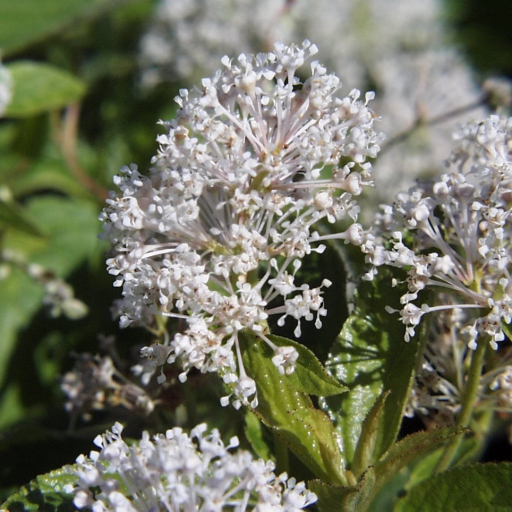
- ☁️ The Blooms: Small, fragrant white flowers appear in dense, cylindrical clusters (panicles) at the ends of long stalks, resembling delicate lace or soap suds.
- 🍃 The Foliage: Broadly ovate, dark green leaves feature a unique "three-veined" pattern branching out from the base, with a slightly fuzzy underside.
- 🪵 The Roots: If you were to look underground, you’d find a thick, woody, bright red taproot, which gives the plant its other common nickname, "Red Root."
🏡 In Your Garden
- 🦋 Pollinator Party: This shrub is a powerhouse for biodiversity, acting as a host plant for the Mottled Duskywing butterfly and attracting hummingbirds and honeybees with its nectar.
- 🌱 Soil Improver: It is a nitrogen-fixing plant, meaning it works with soil bacteria to pull nitrogen from the air and "fertilize" the ground, improving the health of neighboring plants.
- ✂️ Establishment Nuance: Because of its massive, deep taproot, New Jersey Tea is incredibly drought-tolerant once settled, but it hates being moved. Choose its forever-home carefully, as it rarely survives transplanting.
⚠️ Safety & Toxicity
- ✅ General Safety: Ceanothus americanus is considered non-toxic to humans, dogs, and cats. It is a safe addition to family-friendly backyards.
- ☕ Historical Note: While the leaves were used as tea historically, it is important to ensure the plant hasn't been treated with pesticides or fertilizers before attempting any traditional uses, and always consult an herbalist for proper preparation.
✨ Fun Fact
During the Boston Tea Party, when colonists threw British tea into the harbor, Ceanothus americanus became a symbol of rebellion and self-sufficiency, fueling the spirits of the American Revolution one cup at a time!

Detailed Care Instructions
| Color | White |
| Humidity | Normal |
| Invasive | Weed |
| Lighting | Full Sun |
| Bloom Time | Summer |
| Difficulty | Medium |
| Plant Type | Deciduous Shrub |
| Hibernation | Cold Period |
| Mature Size | 3 To 6 Feet Tall And Wide |
| Sun Exposure | Full Sun To Partial Shade |
| Hardiness Zones | 4 - 8 |
To grow Ceanothus Americanus, also known as New Jersey Tea or Redroot, follow these steps:
- Location: Choose a sunny spot for planting the Ceanothus Americanus. It thrives in full sun but can tolerate partial shade.
- Soil preparation: Prepare the soil by removing weeds and grass from the planting area. Ceanothus Americanus prefers well-draining soil, so consider adding organic matter like compost to improve drainage if needed.
- Planting: Dig a hole twice the width and depth of the plant's root ball. Place the plant into the hole, ensuring that the top of the root ball is level with the soil surface. Backfill the hole with soil and gently press it down to remove any air pockets.
- Watering: Water the plant thoroughly after planting to settle the soil. Ceanothus Americanus requires regular watering until established, but avoid over-watering, as it prefers slightly drier conditions once established.
- Mulching: Apply a layer of mulch around the base of the plant to help conserve moisture and control weed growth. Mulch also regulates soil temperature.
- Pruning: Prune Ceanothus Americanus in early spring to remove dead or damaged branches and to maintain its shape. Avoid severe pruning as it may result in reduced flowering.
- Fertilization: Ceanothus Americanus typically does not require much fertilization if planted in well-prepared soil. However, if growth seems sluggish, you can apply a balanced, slow-release fertilizer in early spring.
- Pest and disease control: Ceanothus Americanus is generally pest and disease-resistant. However, keep an eye out for potential issues like powdery mildew, black spot, or spider mites. Promptly treat any insect or disease problems using appropriate methods.
- Propagation: Ceanothus Americanus can be propagated through seeds or semi-hardwood cuttings taken in late summer or early fall.
It's important to note that Ceanothus Americanus may not be suitable for all regions. Ensure that the plant is suitable for your climate and growing zone before planting.

Place in a bright room that is sun drenched almost all day. Or directly in a south-facing window.

To water this plant, it is important to note its natural growing environment. It prefers well-draining soil and moderate moisture levels. It is best to water deeply and infrequently rather than frequently and shallowly. One way to determine when it is time to water is to check the soil moisture level by sticking a finger into the soil about an inch deep. If it feels dry, it is time to water. Water at the base of the plant rather than overhead to avoid wetting the foliage and causing disease. In general, this plant can withstand some drought conditions but will thrive with regular watering.
To fertilize this plant, apply a balanced, slow-release fertilizer in the spring just before new growth begins. Avoid over-fertilizing, as this can lead to excessive foliage growth at the expense of flowers. Follow the packaging instructions for amount and application method. Water the plant deeply after fertilizing.
For Ceanothus Americanus plant, it is recommended to use well-draining soil that is rich in organic matter. The soil pH should be acidic to neutral, with a slightly acidic range recommended. The plant prefers moist but well-drained soil, so it is important to ensure proper drainage to avoid waterlogged soil. Adding compost or other organic matter to the soil can improve its overall fertility and texture, which can help to promote healthy growth and development of the plant's root system. Additionally, it is important to avoid using heavy or clay soils, as these can make it difficult for roots to expand and absorb nutrients. Overall, selecting the right soil type is important for supporting the health and growth of the Ceanothus Americanus plant.
To propagate this plant, you will need to collect cuttings from healthy, mature stems during the plant's active growing season. These cuttings should be about 6-8 inches long and have 3-4 nodes (where the leaves attach to the stem). Remove all but the top 1-2 pairs of leaves from the cutting.
Next, prepare a well-draining soil mix and fill a container with it. Use a pencil or stick to create a planting hole in the soil, and dip the bottom of the cutting into rooting hormone powder. Place the cutting in the hole and gently press the soil around it.
Water the cutting well, and cover the container with a clear plastic bag to create a humid environment. Place the container in a bright but indirect light and maintain consistent soil moisture.
After a few weeks, check for roots by gently tugging on the cutting. If it resists, roots have formed and you can remove the plastic bag. Continue to care for the cutting as it grows, providing bright light and regular watering.








