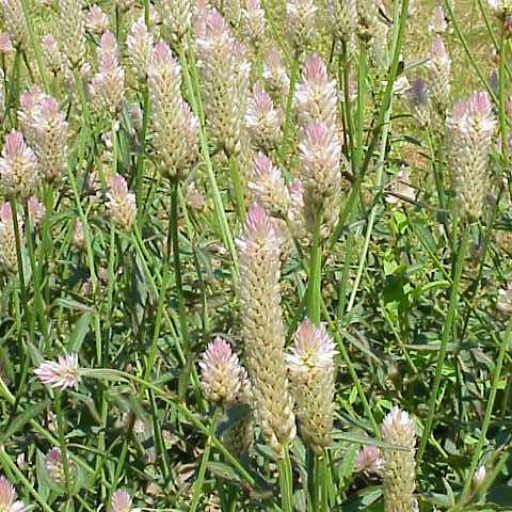
Plant Overview
Often called the Silver Cockscomb or Woolflower, Celosia argentea is the showstopper of the summer garden. These plants are famous for their vibrant, velvety flower heads that look like licking flames or ornate coral reefs. Originally from the tropical regions of Africa and Southeast Asia, they have traveled the world as both a stunning ornamental and a nutritious leafy green.
🔍 How to Identify
- 🔥 The Flowers: Blooms come in three distinct shapes—feathery plumes (Plumosa), wavy brain-like ridges (Cristata), or slender wheat-like spikes (Spicata). They feel like soft felt to the touch.
- 🍃 The Foliage: Leaves are typically lance-shaped and bright green, though some modern cultivars boast deep burgundy or bronze foliage that adds extra drama to the garden.
- 📏 Growth Habit: These are upright plants that can range from dwarf varieties only 6 inches tall to majestic back-of-the-border giants reaching up to 3 feet.
🏡 In Your Garden
- ☀️ Sun Worshippers: Celosia is a true child of the tropics; it craves full sun to produce those electric colors. If they are in the shade, the "flames" will quickly flicker out and become dull.
- 🌱 Root Sensitivity: These plants develop a significant taproot and are notorious "homebodies." They hate having their roots disturbed, so it is best to plant them in their forever home while they are still young or sow seeds directly into the soil.
- 💧 Thirst Quenchers: While they are relatively sturdy, they prefer consistent moisture. However, avoid getting water on the velvet flowers, as trapped moisture can lead to fungal spots on the delicate plumes.
⚠️ Safety & Toxicity
- ✅ Pet & Child Safe: Great news for families—Celosia is considered non-toxic to dogs, cats, and humans.
- 🍽️ Edible Origins: In many cultures, particularly in West Africa, the young leaves are boiled and eaten like spinach. While the ornamental varieties in your garden are safe to touch, it’s best not to snack on them unless you’ve grown a specific culinary cultivar!
✨ Fun Fact
The name Celosia is derived from the Greek word keleos, which literally translates to "burning." This refers to the flower heads of the plume varieties, which look exactly like tiny, colorful bonfires scattered across the garden.

Detailed Care Instructions
| Color | Green With Colorful, Showy Blooms |
| Soil Ph | Acidic, Neutral, And Basic |
| Humidity | High |
| Lighting | Full Sun |
| Soil Type | Sandy, Loamy, And Clay |
| Bloom Time | June To Frost |
| Difficulty | Medium |
| Plant Type | Perennial Flower, Grown As Annual |
| Mature Size | Height Up To 3 Feet, Spread Up To 1 Foot |
| Native Area | Africa |
| Temperature | 5°C - 25°C |
| Sun Exposure | Full Sun, Partial Shade |
| Hardiness Zones | 9-12 |
To grow Celosia Argentea (also known as silver cockscomb or woolflower), follow these steps:
- Start with quality seeds: Purchase good quality Celosia Argentea seeds from a reputable supplier or garden center. Ensure that the seeds are not older than one year.
- Prepare the soil: Celosia Argentea prefers well-draining soil with a pH range of 6.5-7.5. Amend the soil with compost or well-rotted manure to improve its fertility and drainage.
- Choose the planting location: Celosia Argentea plants need full sun exposure for at least 6-8 hours a day. Select a spot in your garden that receives ample sunlight.
- Sow the seeds: To sow the seeds, dig small holes about 1/4 to 1/2 inch deep in the prepared soil. Space the holes approximately 12-18 inches apart. Place 2-3 seeds in each hole and cover them with soil.
- Watering: Water the newly planted seeds regularly, keeping the soil moist but not waterlogged. The soil should be consistently damp throughout the germination process, which typically takes 10-14 days.
- Thinning: Once the seedlings have emerged and grown to a height of 2-3 inches, thin them out, leaving one sturdy plant per hole. Remove the weaker seedlings carefully to avoid damaging the remaining plant.
- Fertilization: Celosia Argentea benefits from regular feeding. Apply a balanced, water-soluble fertilizer once a month during the growing season, following the package instructions for dosage.
- Mulching: Add a layer of organic mulch around the base of the plants to help retain moisture and suppress weed growth.
- Pruning: Pinch back the tips of the plants when they are 4-6 inches tall. This encourages bushier growth and more blooms.
- Watering: Continue watering the plants regularly, ensuring they receive approximately 1 inch of water per week. Avoid waterlogging the soil.
- Monitor pests and diseases: Watch out for common pests such as aphids or spider mites. Treat any infestations promptly using organic pest control methods. Also, keep an eye out for diseases like powdery mildew and apply appropriate treatments.
- Harvesting: Harvest the flowers when they are fully bloomed and have reached their desired color. Cut the stems just above a leaf, and the plant should continue to produce more flowers.
By following these steps, you should be able to successfully grow Celosia Argentea plants in your garden.

Place in a bright room that is sun drenched almost all day. Or directly in a south-facing window.

To properly water this plant, first check the soil moisture level by inserting your finger about an inch into the soil. If the soil feels dry, water the plant thoroughly until water starts to drain out of the bottom of the pot. Wait until the soil dries out slightly before watering again. Be sure to avoid getting water on the leaves and flowers, as this can cause fungal diseases. It is also important to note that this plant prefers well-draining soil, so be careful not to overwater or let the soil become waterlogged.
To fertilize this plant, mix a slow-release fertilizer into the soil at planting time or apply a balanced liquid fertilizer every two to three weeks during the growing season. Be careful not to over-fertilize as it can cause excessive foliage growth at the expense of flowers.
The ideal soil for growing the Celosia Argentea plant should have a well-draining quality to prevent water from accumulating on the roots and causing root rot. It should have a loamy texture with a mixture of sand, clay, and organic matter to provide good drainage, nutrient availability, and moisture retention.
The pH level of the soil should be slightly acidic to neutral, ranging from 6.0 to 7.5. The soil should also be rich in nutrients such as nitrogen, phosphorus, and potassium, which are essential for the growth and development of the Celosia Argentea plant.
To improve soil quality, you can add organic matter such as compost, well-rotted manure, or leaf mold to the soil. This will help to improve soil texture, increase the soil's ability to retain moisture and nutrients, and promote healthy root growth.
In addition to the soil, it's important to choose a location with the right amount of light for the Celosia Argentea plant. This plant requires full sun to partial shade, and choosing a location with the right amount of light can help to promote the best growth and flowering.
- Choose a healthy, mature Celosia Argentea plant with strong stems and leaves.
- Identify a stem on the plant that is at least 4 inches long and has at least one set of leaves.
- Using a sharp, clean pair of scissors or garden shears, make a clean cut just below the bottom leaves, leaving a stem length of at least 2 inches.
- Remove any lower leaves on the stem that may be submerged in soil when planting.
- Dip the cut end of the stem in rooting hormone powder or liquid to encourage root growth.
- Plant the stem in a pot filled with a well-draining soil mix.
- Water the newly planted stem thoroughly and place it in a location with bright, indirect light.
- Keep the soil moist but not overly wet, and mist the stem daily to increase humidity around the plant.
- In 2-3 weeks, roots should begin to form and new growth should appear at the top of the stem.
- Once the new plant has established roots and new growth, it can be transplanted into a larger pot or directly into the ground.
Common pests of the silver cockscomb include Spider mites, aphids, whiteflies. Make a habit of checking your silver cockscomb frequently for pests so that any infestations can be caught and managed early.








