Plant Overview
Often called the Sugarberry or Southern Hackberry, Celtis laevigata is a graceful, broad-leafed giant native to the southern United States and Mexico. It is frequently draped in Spanish moss in the Deep South, playing the role of a "wildlife supermarket" for local birds and butterflies. While it is often mistaken for its cousin, the Common Hackberry, the Sugarberry earns its name from the sweet, thin-fleshed fruits that have sustained both humans and animals for centuries.
🔍 How to Identify
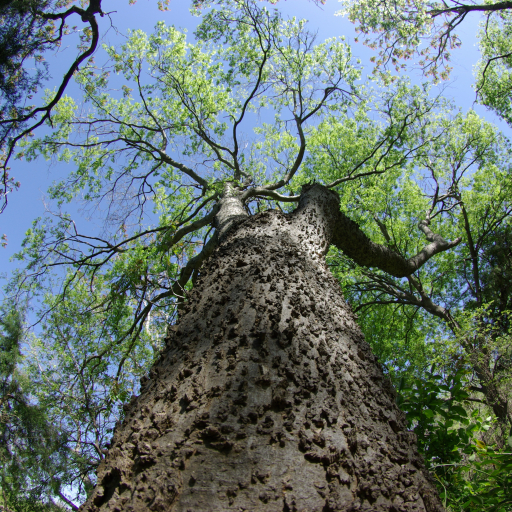
- 🪵 The "Warty" Bark: The most iconic feature is the smooth, light-gray bark covered in strange, corky protuberances or "warts" that look like miniature mountain ranges.
- 🍃 Long, Tapered Leaves: The leaves are narrow and lance-shaped, usually featuring a long, tapering point. Unlike other hackberries, the leaf edges (margins) are mostly smooth rather than jagged.
- 🍒 Darkened Drupes: In late summer and fall, look for small, round berries that transition from a dull orange-red to a deep, brownish-purple when ripe.
🏡 In Your Garden
- 🦋 A Butterfly Magnet: If you plant a Sugarberry, expect visitors! It is the primary host plant for several spectacular butterflies, including the Hackberry Emperor, the Tawny Emperor, and the Question Mark butterfly.
- 💧 Adaptable but Thirsty: While it is incredibly tough and can handle urban pollution or heavy clay, it naturally thrives in moist "bottomlands." In a garden setting, it appreciates a spot that doesn't completely dry out, though it develops a deep root system that makes it quite drought-tolerant once established.
- 🌳 Space Requirements: This tree grows quickly and can reach heights of 60 to 80 feet. Avoid planting it too close to sidewalks or driveways, as its shallow surface roots can eventually lift pavement.
⚠️ Safety & Toxicity
- ✅ Non-Toxic: The Sugarberry is considered safe and non-toxic for humans, dogs, cats, and horses.
- 🍴 Edible Fruits: The tiny fruits are technically edible and have a sweet, date-like flavor, though they are mostly skin and a large seed. Historically, Indigenous peoples ground the entire fruit (seed and all) into a paste for seasoning or energy bars.
✨ Fun Fact
The Sugarberry is a "living fossil" of sorts; the genus Celtis has been around for millions of years. Because the seeds are high in calcium and fat, they were a vital high-energy snack for early North American foragers and are still the preferred winter "power food" for cedar waxwings and robins.

Detailed Care Instructions
| Humidity | Normal |
| Lighting | Full Sun |
| Difficulty | Easy |
| Hibernation | Cold Period |
| Hardiness Zones | 5 - 10 |
To grow Celtis laevigata (sugarberry tree), follow these steps:
- Select a suitable location: Find a spot in your garden that receives full sun or partial shade. The sugarberry tree can tolerate a range of soil conditions, but it prefers well-draining soil.
- Prepare the soil: Dig a hole that is twice as wide and deep as the tree's root ball. Loosen the soil and mix in compost or organic matter to improve drainage and fertility.
- Plant the tree: Place the root ball in the hole, ensuring that the tree is positioned at the same depth it was previously growing. Backfill the hole with soil, firming it gently around the roots.
- Water the tree: Water the tree thoroughly after planting to settle the soil and remove any air pockets around the roots. Water regularly during the first year, especially during dry periods, to help establish the tree.
- Mulch: Apply a layer of organic mulch, such as wood chips or straw, around the base of the tree. This will help retain soil moisture, suppress weed growth, and moderate soil temperature.
- Pruning: Minimal pruning is usually required for Celtis laevigata. Remove any dead or damaged branches as needed. Pruning in late winter or early spring, before new growth starts, is generally best.
- Maintenance: Sugarberry trees are fairly low maintenance but benefit from regular watering, particularly during dry spells, until established. Fertilization is generally unnecessary unless the tree shows signs of nutrient deficiencies.
- Pest and disease control: Celtis laevigata is generally resistant to pests and diseases. However, occasional issues like aphids or scale insects may occur. Monitor the tree regularly and use appropriate measures (like insecticidal soap) if necessary.
Remember, growing a tree takes time, so be patient and allow your Celtis laevigata to mature and develop its full beauty over the years.

Place in a bright room that is sun drenched almost all day. Or directly in a south-facing window.

To water this particular plant, it is important to first ensure that the soil around it is completely dry. Once that is confirmed, water the plant thoroughly, but do not allow the water to pool or accumulate around its roots. It is important to provide just enough water to keep the soil moist, but not to over-water the plant as this can lead to root rot and other issues. It is recommended to water this plant once a week, or more frequently if the weather is exceptionally hot or dry. Additionally, using a humidifier or misting the plant with water can also help to keep it healthy and hydrated.
To fertilize this plant, use a balanced fertilizer with equal amounts of nitrogen, phosphorus, and potassium. Apply the fertilizer in early spring and late summer, as these are the optimal times for plant growth. Avoid over-fertilizing, as this can lead to excessive foliage growth without much fruit production. Instead, aim for a slow-release fertilizer that will provide nutrients over a longer period of time. Water the plant well after fertilizing to help distribute the nutrients throughout the roots.
The ideal soil for the Celtis Laevigata plant should be well-draining and nutrient-rich. A mixture of loamy soil with organic matter such as compost or peat moss is recommended. The pH level of the soil should be slightly acidic to neutral, between 6.0 to 7.5. It is also important to ensure that the soil retains moisture without becoming waterlogged. Therefore, adding sand to the soil can improve drainage. Lastly, the soil should be deep enough to accommodate the plant's root system, as the Celtis Laevigata plant grows tall and develops deep roots.
To propagate this plant, select healthy and vigorous shoots from established plants. Cut the selected shoot just below a node, making sure the cutting is around six to eight inches long. Remove the lower leaves, leaving only two to three leaves at the top. Dip the end of the cutting in rooting hormone powder and plant it in a moist potting mix. The potting mix should be well-draining and contain a combination of sand, perlite, and peat moss. Cover the cutting with a plastic bag to create a humid environment and place it in a warm and brightly lit area. In a few weeks, the cutting should develop roots, and the plastic bag can be removed. Keep the soil damp but not waterlogged and provide the new plant with adequate light and nutrients. After it has grown and developed a strong root system, transplant the new plant to a larger container or directly into the ground.








