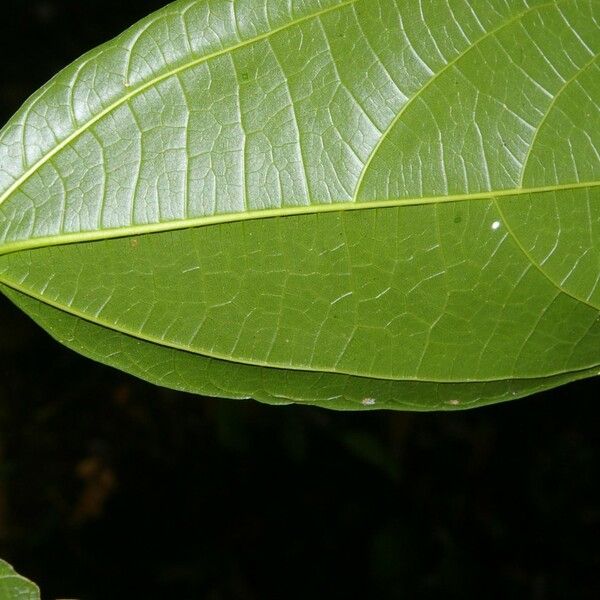
Plant Overview
Known as the Schipp's Hackberry, this rare tropical gem hails from the dense, humid forests of Central America. While its North American cousins are famous for surviving freezing winters, Celtis schippii is a true child of the sun. It is a vital "pioneer species," often being one of the first trees to reclaim cleared land, providing a leafy sanctuary for tropical birds and insects.
🔍 How to Identify
- 🍃 Lopsided Leaves: Look for the "hackberry tilt"—the base of each leaf is slightly asymmetrical, where one side sits higher on the stem than the other.
- 🌿 Zig-Zag Growth: The young branches often grow in a distinct "crankshaft" or zig-zag pattern, making the tree easy to spot even before the leaves fully unfurl.
- 🌑 Stone-Pitted Fruit: It produces small, fleshy drupes (berries) that transition from green to a dark, bruised purple. Inside each fruit is a single, very hard seed.
🏡 In Your Garden
- 🌎 Tropical Needs: Unlike the common Hackberry, this species cannot tolerate frost. It thrives in humid, subtropical environments and requires a location where it can stretch its roots without competition.
- 🌳 The "Nurse" Tree: In a larger landscape, it acts as a protector. Its canopy provides the perfect dappled shade for smaller, shade-loving ferns and forest-floor plants to grow beneath it.
⚠️ Safety & Toxicity
- ✅ Non-Toxic: Celtis schippii is generally considered non-toxic to humans, dogs, and cats.
- 🐦 Wildlife Magnet: While safe for pets, the berries are highly attractive to birds. If you have a patio nearby, be prepared for some "natural decorating" from the birds that visit to feast on the fruit!
✨ Fun Fact
The species name schippii honors William Schipp, a prolific botanical collector of the early 20th century who braved the dense jungles of Belize to document rare plants that were previously unknown to science!

Detailed Care Instructions
To grow Celtis schippii (commonly known as Schipp's hackberry), follow these steps:
- Choose the right location: Select a spot with full sun to partial shade. Ensure the soil is well-draining and moderately fertile.
- Propagation method: Celtis schippii can be grown from seeds or cuttings. Seeds can be collected from ripe berries. Soak them in warm water for 24 hours before planting. For cuttings, take a 6-8 inch long stem cutting from a mature plant during the dormant season.
- Seed planting: Plant the seeds 1 inch deep in a container or directly in the ground during spring. Ensure the soil is consistently moist until germination occurs, which may take several weeks.
- Cutting planting: Dip the base of the cutting in rooting hormone powder and plant it in a well-draining pot filled with a mixture of peat moss and perlite. Keep the soil moist but not waterlogged. Place the pot in a warm location with indirect sunlight.
- Transplanting: Once the seedlings or rooted cuttings have grown to a height of 6-8 inches, they can be transplanted into their permanent location in the garden. Space the plants at least 10-15 feet apart to allow for their mature size.
- Watering: Celtis schippii generally prefers moderate watering. Water the plant thoroughly when the top inch of soil feels dry. Avoid overwatering, as it can cause root rot.
- Mulching and fertilizing: Apply a layer of organic mulch around the base of the plant to retain moisture and regulate temperature. In the spring, apply a balanced slow-release fertilizer according to the package instructions.
- Pruning: Celtis schippii generally requires minimal pruning. However, you can shape the young plant during the first few years by removing any unwanted or crossing branches.
- Pest and disease control: Schipp's hackberry is generally resistant to pests and diseases. However, occasionally, it may face issues like aphids or powdery mildew. If necessary, use appropriate organic insecticides or fungicides to control these problems.
- Provide support: If the plant tends to become top-heavy, stake or provide support to prevent it from leaning or falling over.
Remember to check for any specific recommendations or guidelines for growing Celtis schippii from local horticultural sources or nurseries, as environmental conditions may vary.
To properly water this plant, it is recommended to wait until the top inch of soil is dry before watering. When watering, it is important to be gentle and consistent, avoiding over-watering or allowing the soil to become too dry. Use room temperature or lukewarm water, pouring slowly and evenly around the base of the plant until the soil in the pot is thoroughly moistened. Ensure proper drainage by allowing excess water to drain out of the pot. Finally, always keep an eye on the plant to ensure it remains healthy and properly hydrated.
For optimal growth and health of this plant, it is recommended to fertilize it during the active growing season with a balanced fertilizer containing equal parts nitrogen, phosphorus, and potassium. Apply the fertilizer every four to six weeks, following the manufacturer's instructions for dilution and application. Avoid over-fertilization, as this can cause damage to the plant's roots and foliage. It is also important to regularly water the plant to prevent nutrient deficiencies and promote healthy growth.
The soil best suited for the Celtis Schippii plant should be well-draining and nutrient-rich. It should have a pH between 6.0 to 7.5. A mixture of sand, peat moss, and loam is recommended. The soil should be moist but not waterlogged. Add organic matter to the soil to improve drainage and fertility. Avoid using soil that is nutrient deficient or heavy in clay, as this can lead to poor growth and root rot. Regular fertilization is recommended to promote healthy growth and development of the plant.
To propagate this plant, take a cutting from a healthy mature plant. The cutting should be about 6 inches long and have at least two sets of leaves. Remove the lower sets of leaves and dip the cut end into rooting hormone. Plant the cutting into a pot filled with well-draining soil and keep it moist. Place the pot in a warm and bright location, but avoid direct sunlight. After a few weeks, roots should start to form. Once the roots are established, the plant can be transplanted into a larger pot or into the ground. It is important to remember to keep the newly propagated plant well-watered until it becomes established in its new location.








