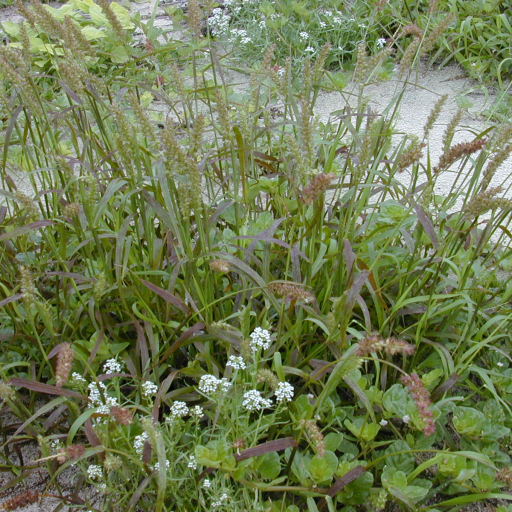
Plant Overview
Known as the Southern Sandbur or the "Hedgehog Grass," this plant is the bane of barefoot summer walks. While it looks like an ordinary tuft of green from afar, its hitchhiking seed pods are legendary for their ability to cling to socks, fur, and skin. Native to the Americas but now found globally, it is a master of survival in the toughest, sandiest terrains.
🔍 How to Identify
- 🌵 The "Burrs": The most distinct feature is the spiny, pea-sized seed pod (involucre) covered in sharp, stiff prickles that turn from green to a straw-like tan as they mature.
- 🍃 Leaf Blades: The leaves are flat, slightly rough to the touch, and often feature a reddish or purplish tint at the base of the stems near the soil line.
- 🌾 Growth Habit: It typically grows in low-spreading mats, but it can transition to an upright posture if it needs to compete with taller plants for sunlight.
🏡 In Your Garden
- 🏖️ Soil Indicators: This plant is an "indicator species." If it is thriving in your lawn, it usually suggests your soil is sandy, nutrient-poor, or suffering from low nitrogen levels.
- 🏃 Control Challenges: Because it is an annual that reproduces via those sticky burrs, it spreads rapidly. Hand-pulling is effective but must be done before the burrs drop, or you'll inadvertently "plant" the next generation for the following year.
⚠️ Safety & Toxicity
- 🚫 Mechanical Hazard: The Southern Sandbur is not chemically toxic, but it is a significant "mechanical" irritant. The spines are incredibly sharp and can easily pierce skin or thin footwear.
- 🐾 Pet Warning: The burrs are particularly dangerous for pets. They frequently become lodged between paw pads or tangled in long fur, leading to limping, distress, and potential skin infections if not removed promptly.
✨ Fun Fact
- 🧗 The Ultimate Hitchhiker: The sharp spines on the burr are actually modified branches! This evolutionary trick is called epizoochory, a method where a plant hitches a ride on animals (or humans) to transport its seeds miles away from the parent plant.

Detailed Care Instructions
To grow Cenchrus Echinatus, also known as the Southern sandbur or Southern sandspur, you can follow these steps:
- Obtain seeds: Purchase seeds from a reputable nursery or collect them from naturally growing Cenchrus Echinatus plants if available in your area. Make sure the seeds are fresh and viable.
- Choosing the right location: Cenchrus Echinatus thrives in full sun and well-drained sandy or loamy soils. Select an area in your garden that receives at least 6-8 hours of direct sunlight per day and has good drainage.
- Preparing the soil: Before sowing the seeds, prepare the soil by removing any weeds or existing vegetation from the area. Loosen the soil using a garden fork or tiller to allow better root penetration.
- Sowing the seeds: Scatter the Cenchrus Echinatus seeds evenly over the prepared soil. Avoid burying the seeds too deep, as they require light for germination. Gently press the seeds into the soil, ensuring good seed-to-soil contact.
- Watering: After sowing, water the area thoroughly but gently, so as not to displace the seeds. Keep the soil moist throughout the germination process, which usually takes 7-14 days.
- Thinning the seedlings: Once the seedlings emerge, thin them out to provide enough space for each plant to grow. Space the seedlings about 6-12 inches apart.
- Maintenance: Cenchrus Echinatus is drought-tolerant but responds well to occasional watering during dry spells. Keep the area weed-free to prevent competition for nutrients, especially during the early growth stages. Mulching can help suppress weed growth.
- Harvesting: If you are growing Cenchrus Echinatus for its seed heads, allow the spikes to fully mature and dry on the plant. Once dry, the seed heads can be harvested by cutting them off and storing them in a dry place.
Remember, Cenchrus Echinatus is considered an invasive weed in some regions, so be mindful of local regulations and consider planting alternatives if necessary.

Place in a bright room that is sun drenched almost all day. Or directly in a south-facing window.

To properly water this plant, it is important to consider the environment in which it is growing. Take note of the soil type, the humidity level, and the amount of sunlight that the plant receives. Water the plant deeply, but infrequently. Make sure that the soil is moist, not soggy, and that the water has had a chance to soak in before watering again. Allow the top layer of soil to dry out before watering again. When watering, avoid getting water on the leaves and aim to water at the base of the plant. Consider using a drip system or a watering can with a long spout to make watering easier and more precise.
To fertilize this plant, use a balanced fertilizer with equal parts nitrogen, phosphorus, and potassium. Apply the fertilizer in early spring and again in mid-summer. Ensure that the soil is moist before applying the fertilizer, and water well afterward to help the nutrients penetrate the soil. Avoid over-fertilizing, as this may lead to excessive growth and weaken the plant's structure. Follow the package instructions carefully, and monitor the plant's growth and health to adjust the fertilizing schedule as needed.
For optimal growth of the plant, it is recommended to use well-draining soil that is rich in organic matter. The soil should have a pH range of 6.0-7.5 and should be able to retain moisture without becoming water-logged. A mix of sand, loam, and peat moss can be used for optimal growth. It is also important to ensure that the soil is free from weeds or other foreign materials that could interfere with the growth of the plant. Regular fertilization with a balanced fertilizer will also help to promote healthy growth.
One can propagate this plant by collecting the seeds from mature plants. The seeds should be cleaned and dried before planting. The seeds can then be sown directly into the soil or started indoors. If started indoors, the seeds should be planted in individual pots with well-draining soil and placed in a warm, sunny location. The soil should be kept moist but not waterlogged.
Once the seedlings have developed strong roots and leaves, they can be transplanted into their permanent location in the garden. The planting location should be in full sun and have well-draining soil. The seedlings should be spaced several inches apart to allow room for growth. Regular watering and fertilization will help the plants establish and grow into healthy specimens.








