Plant Overview
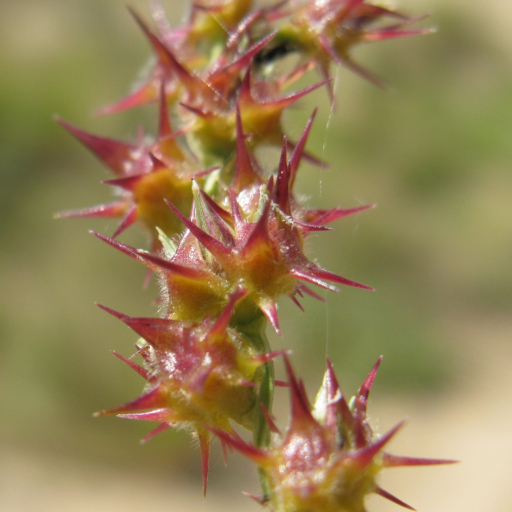
Known as the "barefoot walker’s nightmare," Cenchrus spinifex, or the Common Sandbur, is a resilient grass that is famous—or perhaps infamous—for its prickly hitchhikers. Native to the Americas, this plant is a master of survival, thriving in sandy soils where more delicate grasses wither away. While it looks like a typical lawn grass at first glance, its unique method of spreading its seeds makes it one of the most recognizable "weeds" in the world.
🔍 How to Identify
- 🌾 The Seed Head: The most distinct feature is the cluster of straw-colored, spiny "burs" at the top of the stems. Each bur contains one to three seeds and is covered in stiff, sharp spines.
- 🍃 Leaf Structure: The leaves are flat, narrow, and slightly rough to the touch, often appearing a light green or yellowish-green color.
- 🌱 Growth Habit: It typically grows in low, spreading clumps. The stems often bend at the base and can root where they touch the ground, allowing it to take over sandy patches quickly.
🏡 In Your Garden
- 🏖️ Soil Preference: This plant is an indicator of sandy, nutrient-poor soil. If you see it popping up, it’s a sign that your lawn might need more organic matter or better moisture retention to help more desirable grasses compete.
- ✂️ Management Nuance: Regular mowing won't always stop it, as the plant can produce seed heads very low to the ground. Because it has a deep taproot, hand-pulling is most effective when the soil is moist, but you must ensure you bag the burs to prevent them from "re-seeding" your yard.
⚠️ Safety & Toxicity
- 🌵 Physical Hazard: While not chemically toxic or poisonous if accidentally nibbled, the burs are sharp enough to puncture skin and leather.
- 🐾 Pet Warning: The burs easily get tangled in long fur or stuck between the paw pads of dogs and cats. This can cause significant irritation, limping, or even secondary infections if the spine breaks off under the skin.
✨ Fun Fact
The Sandbur uses a strategy called "epizoochory." The spines on the burs are actually modified leaves (bracts) designed with tiny barbs that hook into fur or clothing, ensuring the seeds travel miles away from the parent plant to start a new colony!

Detailed Care Instructions
To grow Cenchrus Spinifex (commonly known as Spinifex grass or porcupine grass), follow these steps:
- Obtain seeds: The first step is to obtain seeds of Cenchrus Spinifex. You can purchase them from nurseries or online seed suppliers.
- Choose the right location: Cenchrus Spinifex prefers full sun and well-draining soil. Ensure that the area where you intend to grow the plant receives at least 6-8 hours of direct sunlight daily.
- Prepare the soil: Prepare the soil by removing any weeds or grasses. Loosen the soil using a garden fork or tiller to allow for better root penetration. If the soil is heavy or poorly draining, amend it with compost or well-rotted manure to improve drainage.
- Sow the seeds: Sprinkle the seeds evenly over the prepared soil surface. Do not bury the seeds deep; instead, gently press them into the soil or cover them with a light layer of compost or fine soil.
- Water the seeds: After sowing the seeds, give them a thorough watering. Keep the soil consistently moist until germination occurs, which usually takes around 1-2 weeks.
- Maintain moisture and temperature: During the germination phase, it is essential to keep the soil moist but not waterlogged. Additionally, ensure the temperature remains consistently warm, between 70-85°F (21-29°C). You may cover the soil with a thin layer of mulch to help retain moisture and regulate temperature.
- Transplant if required: Once the seedlings are about 2-3 inches tall, you can thin them out to allow the remaining plants to have enough space to grow. If you wish to transplant them to another location, do it carefully, ensuring you protect the delicate roots.
- Provide regular care: Cenchrus Spinifex requires minimal care once established. Water the plant consistently, especially during dry spells, to prevent the soil from drying out. Additionally, regular fertilization with a balanced slow-release fertilizer can promote healthy growth.
- Control weeds: Keep the area around the plants weed-free to prevent competition for nutrients and water. Regularly remove any weeds that may emerge.
- Monitor for pests and diseases: Cenchrus Spinifex generally does not face significant pest or disease issues. However, keep an eye out for any signs of pests or diseases and take appropriate measures if necessary.
With proper care and maintenance, your Cenchrus Spinifex plant should grow and thrive, providing an attractive and low-maintenance addition to your garden.

Place in a bright room that is sun drenched almost all day. Or directly in a south-facing window.

To properly water this plant, it is important to monitor the soil moisture level. Water the plant once the top inch of soil is dry to the touch. Avoid overwatering and allowing the soil to become waterlogged as this can lead to root rot and other issues. Use a watering can or hose to slowly and evenly water around the base of the plant until the soil is moist but not saturated. If the plant is in a container, make sure there are drainage holes to allow excess water to escape. In areas with high humidity or rainfall, adjust watering frequency accordingly.
For optimal growth and development of this particular plant, it is recommended to fertilize during the growing season with a balanced, slow-release fertilizer. It is important to avoid over-fertilization, as this can result in an abundance of foliage and limited flower production. It is also recommended to incorporate organic matter into the soil prior to planting to promote overall plant health and vigor. Additionally, adequate water and sunlight are essential for this plant to thrive.
The ideal soil for growing this plant should be well-draining, loose, and sandy with a pH range of 5.5 to 7.5. It should also be rich in organic matter and have good water retention capacity to prevent the soil from drying out too quickly. The plant typically prefers a slightly alkaline soil, which can be achieved by adding calcium carbonate or lime as needed. Additionally, incorporating a slow-release fertilizer rich in nitrogen, phosphorus, and potassium can help promote healthy growth and vigor. It is important to avoid using heavy, clay soils that can hold too much moisture and lead to root rot. Finally, this plant often grows well in coastal areas and can tolerate high levels of salt in the soil, making it a great choice for beachfront and dune restoration projects.
Cenchrus Spinifex plant can be propagated through a process called division. This involves carefully separating the plant into smaller sections and replanting them. To do this, the plant should first be dug up and the soil gently shaken off the roots.
After the roots have been exposed, the plant can be divided by carefully cutting through the roots using a sharp knife or garden shears. The sections should be small enough to easily manage but large enough to include a healthy portion of the root system.
Once the sections have been prepared, they can be replanted in a suitable growing medium. This should be rich in nutrients, well-draining, and free from any harmful microorganisms or pests.
The newly propagated plants should be watered regularly and kept in a warm, well-lit environment. With proper care, they should develop into healthy, mature plants over time.








