Plant Overview
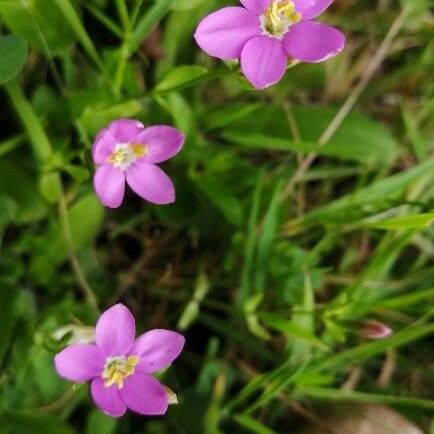
Known as the "Cachanlahuén" in its native Chile, this vibrant wildflower is a star of the Andean foothills and coastal ranges. It is celebrated in South American folk tradition as a potent "bitter tonic," historically used to break fevers and purify the blood. With its brilliant magenta blooms, it looks like a scattered constellation across dry, sunny meadows.
🔍 How to Identify
- 🌸 The Flowers: Small but striking star-shaped blossoms with five bright pink to deep magenta petals and a contrasting yellow or white center.
- 🍃 The Foliage: Pale green, lance-shaped leaves that grow in opposite pairs directly along the stem, often appearing to "hug" the plant.
- 📏 Growth Habit: A slender, upright annual or biennial that usually reaches 10 to 40 cm in height, often branching near the top to create a small bouquet of flowers.
🏡 In Your Garden
- ☀️ Sun Seeker: This plant thrives in "harsh" beauty; it prefers full sun and poor, rocky, or sandy soils where other plants might struggle.
- 💧 Dry Roots: It is highly drought-tolerant once established. Overwatering or rich, organic-heavy soil can actually lead to root rot or a lack of flowering.
- 🌱 Self-Seeding: Because it is a short-lived annual, it relies on its seeds falling to the ground to return the following year. Avoid heavy mulching if you want it to reappear naturally.
⚠️ Safety & Toxicity
- 👅 Bitter Defense: While not considered "deadly," the entire plant contains intense bitter compounds (gentiopicroside). These are used medicinally but can cause nausea if consumed in large quantities.
- 🐾 Pets & Kids: It is generally non-toxic to touch, but the extreme bitterness usually prevents pets or children from eating enough to be harmful. However, it’s best to keep it out of reach of curious chewers to avoid digestive upset.
✨ Fun Fact
The name "Cachanlahuén" is derived from the Mapuche language (Mapudungun), where cachan refers to a pain in the side (pleurisy) and lahuén means "medicine." It has been a cornerstone of indigenous pharmacies for centuries!

Detailed Care Instructions








