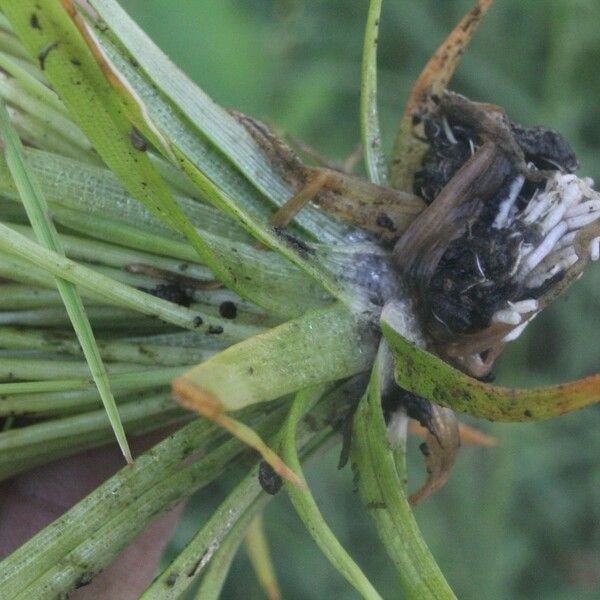
Plant Overview
Known affectionately as the Spadeleaf or Erect Centella, this humble perennial is a master of the wetlands. While its cousin, Centella asiatica (Gotu Kola), steals the spotlight in the skincare world, Centella erecta is the hardy, American relative that carpets marshy banks and damp lawns from the Carolinas down to Argentina. It acts as a lush, green bridge between land and water, often forming dense mats that protect soil from erosion.
🔍 How to Identify
- ♠️ Leaf Shape: Distinctly spade-shaped or kidney-shaped (reniform) leaves that are often wider than they are long.
- 🌿 Growth Habit: It spreads via "stolons" (horizontal runners), creeping along the ground and rooting at every node to create a thick carpet.
- 🌸 Hidden Flowers: The flowers are tiny, greenish-white, or pinkish, tucked away in small clusters near the base of the leaf stalks, making them easy to miss.
🏡 In Your Garden
- 💧 The Moisture Lover: Unlike many garden plants that fear "wet feet," this plant thrives in boggy, saturated soil. If you have a low spot in your yard where nothing grows because it's always soggy, Spadeleaf will likely call it home.
- 🌱 Lawns vs. Groundcover: In a manicured lawn, it is often treated as a weed because it outcompetes grass in damp shade. However, in a "wild" or "native" garden, it serves as an excellent low-maintenance groundcover that requires zero fertilizer.
⚠️ Safety & Toxicity
- 🟢 General Status: Generally considered non-toxic to humans and pets, but with a significant catch regarding its environment.
- 🚜 Environmental Filter: Because it thrives in runoff areas, it is a "hyperaccumulator," meaning it can soak up heavy metals or pesticides from contaminated water. Never consume or use plants found near roadsides or chemically treated lawns.
- 🐾 Pet Note: While not poisonous, eating large amounts of any fibrous groundcover can cause mild stomach upset in curious cats or dogs.
✨ Fun Fact
Spadeleaf is often confused with the famous "Herb of Longevity" (Gotu Kola). While they look nearly identical, Centella erecta is native to the Americas, whereas its famous cousin hails from Asia. Ancient folklore across both continents suggests that elephants—known for their long memories—frequently snack on Centella plants, leading to the myth that the plant boosts brainpower!

Detailed Care Instructions
To grow Centella erecta (also known as Gotu Kola), follow these steps:
- Obtaining seeds: Buy Centella erecta seeds from a local nursery or online seed supplier. Alternatively, you can find starter plants from a local nursery.
- Selecting the right location: Choose a spot in your garden that receives partial sun to full shade. Centella erecta thrives in moist soil, so ensure the area has well-drained soil.
- Preparing the soil: The plant prefers rich, loamy soil. Before planting, mix compost or organic matter into the soil to improve its fertility and drainage.
- Germinating seeds: If using seeds, start indoors by sowing them in seedling trays or small pots. Cover the seeds with a thin layer of soil and keep the soil consistently moist. Place the tray or pot in a warm location and provide indirect sunlight. Seed germination can take around 1-2 weeks.
- Transplanting seedlings: Once the seedlings have grown several inches tall, transplant them into individual pots or directly into the garden. Remember to space them at least 6-12 inches apart.
- Watering: Centella erecta needs consistent moisture, so water the plant regularly. The soil should remain moist but not waterlogged. Avoid overwatering, which can lead to root rot.
- Fertilizing: Feed the plants with a balanced, slow-release fertilizer or apply a liquid fertilizer every few weeks during the growing season. Follow the manufacturer's instructions for proper dosage.
- Controlling weeds: Keep the area around the plants free of weeds to prevent competition for nutrients and water.
- Harvesting: Centella erecta leaves can be harvested as needed, starting from around 2-3 months after planting. To harvest, trim the outer leaves, allowing the inner ones to continue growing. Harvesting the leaves stimulates new growth.
- Protection from pests and diseases: Centella erecta is generally resistant to most pests and diseases. However, occasional attacks from aphids or slugs may occur. Monitor the plants regularly and use appropriate pest control methods if necessary.
Remember to check your local climate and growing conditions to provide the best environment for Centella erecta.

Place in a bright room that is sun drenched almost all day. Or directly in a south-facing window.

To ensure proper watering for the Centella Erecta plant, you need to follow a few simple steps. Before watering the plant, you should check the moisture level in the soil by digging your finger about an inch deep. If the soil feels dry, you should water the plant.
You will need to provide the plant with enough water to keep the soil consistently moist but not saturated. Overwatering can cause root rot, which can be fatal to the plant.
When you water the plant, be sure to pour the water directly onto the soil and avoid getting any water on the foliage. Watering the foliage can lead to fungal diseases.
Make sure you only water the plant once the top layer of soil has dried out. You should also avoid watering the plant during the hot hours of the day, as it can cause the water to evaporate too quickly.
During the winter months, you should reduce the frequency of watering as the plant requires less water during the dormant period. Proper watering is essential for the health and survival of the Centella Erecta plant.
To fertilize this plant, you should use a balanced fertilizer with equal parts nitrogen, phosphorus, and potassium. Apply the fertilizer sparingly, being sure not to over-fertilize as this could harm the plant. It is recommended to fertilize once a month during the growing season, or every two months during the winter months. Be sure to water the plant before and after fertilizing to avoid any potential damage to the roots.
The best type of soil for the Centella Erecta plant is a moist, well-draining soil that is rich in nutrients. A soil mix that is composed of equal parts of peat moss, perlite, and vermiculite is ideal. This soil mix will allow for proper drainage while maintaining the required moisture level for the plant. The pH level of the soil should be between 6.0 and 7.5. Additionally, organic matter such as compost or aged manure can be added to the soil to provide the necessary nutrients for the Centella Erecta plant to grow properly. It is important to avoid using heavy clay soils or soils that are prone to waterlogging as these can cause root rot and other fungal diseases.
To propagate this plant, first, select a healthy parent plant with strong stems and leaves. Take a stem cutting that is about 4-6 inches long and has at least two nodes. Remove the bottom leaves and make a clean cut just below the node.
Prepare a pot with well-draining soil and add some perlite or sand to improve drainage. Moisten the soil but do not make it too wet. Dip the cutting in rooting hormone and plant it in the soil, making sure it is firmly in place. Cover the pot with a plastic bag or a clear plastic lid to create a humid environment.
Place the pot in a warm, bright spot but out of direct sunlight. Check moisture levels regularly and mist the plant frequently to maintain humidity. After a few weeks, the cutting should have developed roots and new growth. Gradually remove the plastic covering and begin to expose the plant to more light. When the plant has outgrown its pot, transplant it to a larger one with fresh potting soil.








