Plant Overview
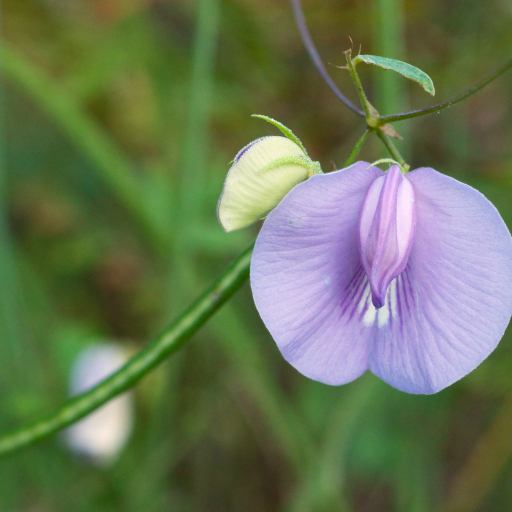
Known affectionately as the Spurred Butterfly Pea or Wild Blue Pea, this delicate perennial vine is a hidden gem of the American Southeast. It is celebrated for its ethereal, "upside-down" lavender blossoms that seem to float among the foliage. Often found weaving through tall grasses or scaling light fences, it adds a touch of whimsical elegance to wilder garden spaces.
🔍 How to Identify
- 🌸 The Flower: The most striking feature is its large, pale violet or blue flower. Unlike many pea flowers, it appears "upside-down" with a broad petal (the standard) at the bottom, marked by a bright white or yellowish center.
- 🌿 The Leaves: It features trifoliate leaves, meaning each leaf is composed of three slender, oval leaflets. The texture is slightly rough to the touch, and the vines are thin and wiry.
- 🧪 The Calyx Spur: If you look closely at the base of the flower (the green cup-like structure), you’ll find a tiny, pointed "spur" or projection, which gives the plant its common name.
🏡 In Your Garden
- 🧗 The Climbing Habit: This isn't an aggressive vine like Ivy; it is a "weaver." It prefers to scramble over other plants or light lattices. Because it has a deep taproot, it is incredibly drought-tolerant once established but hates being moved—pick its permanent home carefully!
- 🌱 Soil & Fertility: As a member of the legume family, this plant is a natural soil improver. It works with soil bacteria to "fix" nitrogen, making the ground richer for its neighbors. It thrives in sandy, well-draining soils where other plants might struggle.
⚠️ Safety & Toxicity
- 🟢 General Status: Centrosema virginianum is generally considered non-toxic to humans and common garden visitors.
- 🐶 Pets and Livestock: While there are no major reports of toxicity for cats or dogs, the seeds (contained in long, flat pods) are best kept away from curious nibblers, as many wild pea seeds can cause mild digestive upset if consumed in large quantities.
✨ Fun Fact
The flowers of the Spurred Butterfly Pea are resupinate, which is a fancy botanical way of saying they are "inverted." During development, the flower stalk twists 180 degrees, placing the petal that is normally on the top (the banner) at the bottom to provide a perfect landing platform for heavy-bodied bumblebees!

Detailed Care Instructions
To grow Centrosema Virginianum, also known as Spurred Butterfly Pea, you can follow these steps:
- Climate and soil requirements: Centrosema Virginianum thrives in warm climates with temperatures ranging from 75-85°F (24-29°C). It prefers well-draining soil with a pH level of 5.0-7.0.
- Selecting a suitable location: Choose a location that receives full sun or partial shade. Make sure the area is well-drained and has enough space for the plant to spread out.
- Seed selection and preparation: Purchase seeds from a reputable nursery or supplier. Soak the seeds in warm water for 24 hours before planting. This will help soften the seed coat and aid in germination.
- Planting: Prepare the soil by removing any weeds or grass. Dig a hole that is twice as wide and deep as the seed. Place the seed in the hole and cover it with soil. Space the seeds 6-12 inches apart if you are planting more than one.
- Watering: Water the newly planted seeds thoroughly and keep the soil moist until they germinate. Once they have sprouted, reduce watering frequency, allowing the soil to dry out slightly between waterings.
- Fertilizing: Centrosema Virginianum does not require heavy fertilization. However, you can apply a balanced, slow-release fertilizer following the manufacturer's instructions once or twice during the growing season.
- Training and supporting: As the plant grows, you may need to provide support, such as a trellis or other vertical structure, for the vines to climb. This will help prevent the plant from sprawling on the ground.
- Pruning: Prune the plant occasionally to remove any dead or damaged stems. Pruning can also help maintain a desired shape and encourage new growth.
- Mulching: Apply a layer of organic mulch around the base of the plant to conserve moisture, suppress weed growth, and regulate soil temperature.
- Pests and diseases: Centrosema Virginianum is relatively resistant to pests and diseases. However, keep an eye out for common garden pests like aphids, spider mites, or snails. If necessary, use organic pest control methods to manage them.
With proper care and maintenance, Centrosema Virginianum can grow into a beautiful and flowering vine that attracts butterflies and adds color to your garden.

Place in a bright room that is sun drenched almost all day. Or directly in a south-facing window.
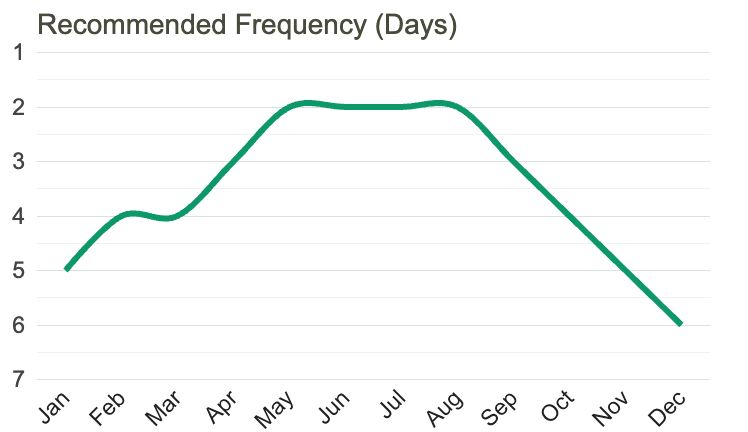
To water Centrosema Virginianum, it is important to consider certain factors to ensure its health and vitality. Here is a detailed guide on watering this plant:
1. Observe the Soil Moisture: Check the moisture level of the soil before watering the Centrosema Virginianum. Stick your finger or a moisture meter approximately two inches into the soil to determine if it is dry.
2. Watering Frequency: Centrosema Virginianum requires regular watering to thrive. Aim to water the plant once every 1-2 weeks during the growing season, ensuring that the soil remains evenly moist but not waterlogged.
3. Water Quantity: When watering the Centrosema Virginianum, provide a sufficient amount of water to deeply penetrate the root system. Water until you see it flowing out from the drainage holes at the bottom of the container or until the soil feels adequately moist.
4. Watering Technique: To prevent water from splashing onto the leaves and causing potential diseases, it is advisable to water the plant at the base. Direct the flow of water towards the soil, allowing it to gradually soak in rather than applying it all at once.
5. Morning Watering: The ideal time to water the Centrosema Virginianum is in the morning. This allows the plant enough time to absorb the moisture and utilize it throughout the day, while also preventing prolonged moisture on the foliage, which can promote disease development.
6. Temperature Considerations: Depending on the prevailing temperature, you may need to adjust the watering frequency. During hot and dry periods, the plant may require watering more often, while during cooler weather or winter dormancy, reduce the frequency to prevent over-watering.
7. Drainage: Centrosema Virginianum benefits from well-draining soil to prevent waterlogged conditions. Ensure that the container or planting area has adequate drainage holes to allow excess water to escape, preventing standing water around the roots.
8. Mulching: Applying a layer of organic mulch around the base of the plant can help retain soil moisture and regulate the temperature. This can reduce the frequency of watering and provide a more favorable growing environment for the Centrosema Virginianum.
Remember, these guidelines serve as a general recommendation and can vary depending on the specific conditions of your Centrosema Virginianum, such as the climate, soil type, and container size. Always prioritize the overall health of the plant and adjust your watering practices accordingly.
- Choose a well-draining pot or container that is at least 12 inches deep and wide enough to accommodate the growth of the Centrosema Virginianum plant.
- Fill the pot with a high-quality potting mix that is rich in organic matter.
- Before planting the Centrosema Virginianum plant, apply a slow-release balanced fertilizer to the potting mix according to the manufacturer's instructions. This will provide a steady supply of nutrients to the plant over time.
- Place the plant in the pot, ensuring that the roots are well covered with soil and gently firm the soil around the plant.
- Water the plant thoroughly after planting to help settle the soil and ensure good root establishment.
- Once the plant is established, apply a water-soluble fertilizer every four to six weeks during the growing season. Dilute the fertilizer according to the package instructions, and water the plant with the solution.
- Additionally, incorporate a balanced granular fertilizer into the soil around the plant in early spring and mid-summer. Follow the recommended application rates specified on the fertilizer package.
- During the growing season, monitor the plant for any signs of nutrient deficiency, such as yellowing leaves or stunted growth. If deficiencies are observed, adjust the fertilization schedule or type of fertilizer used accordingly.
- It is important to note that Centrosema Virginianum is a legume plant, capable of fixing nitrogen from the air with the help of symbiotic bacteria. This natural process provides a significant portion of the plant's nutritional needs. However, supplemental fertilization can still be beneficial for optimal growth and flowering.
- Always follow the specific needs and preferences of the Centrosema Virginianum plant, as different cultivars or varieties may have slight variations in their nutrient requirements. Regularly observe the plant's response to fertilization and make adjustments as necessary for healthy growth and blooming.
The recommended type of soil to use for Centrosema Virginianum plants is a well-draining soil mixture that is rich in organic matter. It is important to ensure that the soil pH falls within the range of 6.0 to 7.5, as this plant prefers slightly acidic to neutral soil conditions. The soil should be loamy to sandy in texture, allowing for proper drainage and root development. Avoid using heavy clay soils or compacted soils, as they tend to retain too much moisture and can lead to root rot. Additionally, it is beneficial to incorporate compost or well-rotted manure into the soil to further enhance its fertility and nutrient content.
Centrosema Virginianum is a perennial plant that can be propagated through various methods. Here are the detailed steps to propagate this plant:
- Seed Collection: Wait until the seedpods on the plant turn light brown and start to dry out. Harvest the seeds by gently collecting the dry pods from the plant. Make sure to do this before the pods burst open and disperse the seeds.
- Seed Preparation: After collecting the seedpods, remove the seeds from the pods. You can do this by either squeezing the pods or gently breaking them open. Collect the seeds in a container.
- Seed Treatment: Some gardeners recommend scarification to enhance germination. This can be done by nicking the seeds with a sharp knife or rubbing them gently with sandpaper. Soaking the seeds in warm water overnight can also help break their dormancy.
- Planting Seeds: Fill small pots or seed trays with a well-draining potting mix. Sow the seeds onto the surface of the soil and cover them lightly with a thin layer of the same potting mix. Mist the soil lightly with water to provide moisture.
- Providing Ideal Conditions: Place the pots or trays in a warm location with indirect sunlight. Maintain a temperature around 65-75°F (18-24°C). Water the soil regularly to keep it moist but not waterlogged.
- Germination: Centrosema Virginianum seeds usually germinate within 2-4 weeks, but it can take longer in some cases. Be patient and continue to provide consistent care.
- Transplanting: When the seedlings have developed several sets of leaves and the roots have established, they can be transplanted into individual pots or directly into the garden. Use a well-draining soil mix and provide adequate space for the plant to grow.
- Care and Maintenance: Once planted, ensure the new plants receive sufficient sunlight (about 6-8 hours a day) and water regularly, especially during dry periods. Mulching around the plants can help conserve moisture and suppress weed growth.
By following these steps, you can successfully propagate Centrosema Virginianum and grow new plants.








