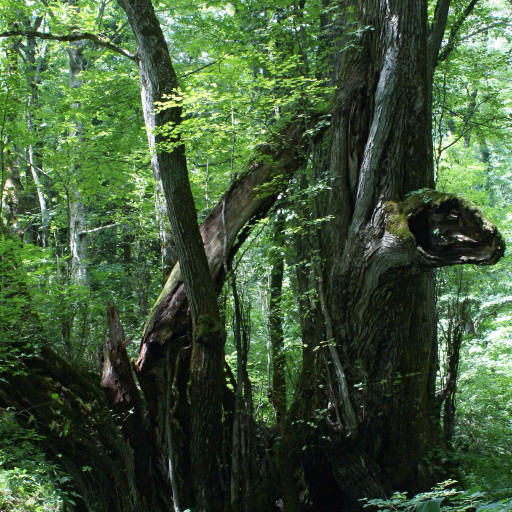
Plant Overview
Known as the Katsura Tree, this Japanese native is a living masterpiece of symmetry and sensory delight. It is most famous for a magical olfactory secret: as its heart-shaped leaves wither in the autumn, they release a potent fragrance that smells exactly like burnt sugar, cotton candy, or toasted marshmallows. It is a prized specimen for any gardener looking to add a touch of "fairytale" elegance to their landscape.
🔍 How to Identify
- 🍃 Heart-Shaped Foliage: The leaves are perfectly cordate (heart-shaped) with slightly rounded teeth, looking like a delicate version of a Redbud leaf.
- 🎨 Seasonal Transformation: In spring, new leaves emerge with a purple-bronze tint, turning a lush bluish-green in summer, and finishing with spectacular shades of apricot, gold, and pink in the fall.
- 🌳 Elegant Stature: It often grows with multiple trunks, creating a wide, spreading canopy that provides dappled, ethereal shade.
🏡 In Your Garden
- 💧 Thirsty Roots: The Katsura is a moisture-lover. It naturally grows near stream banks, so it "hates" dry soil. If it gets too thirsty, it may drop its leaves early as a defense mechanism—a sign to increase your watering schedule.
- 🌬️ Sheltered Sanctuaries: Because its leaves are thin and delicate, they can suffer from "leaf scorch" in intense afternoon sun or harsh winds. Planting it in a spot with protection from the drying summer wind will keep the foliage pristine.
- 🌱 Slow to Settle: This tree is sensitive to being moved due to its root structure. Once planted, try to leave it in peace, as it takes a few seasons to truly "find its feet" and begin rapid growth.
⚠️ Safety & Toxicity
- ✅ Safe & Gentle: The Katsura tree is considered non-toxic to humans, dogs, and cats.
- 👐 Texture: Unlike some ornamental trees, it lacks thorns or irritating sap, making it a very "touch-friendly" addition to family gardens.
✨ Fun Fact
The intoxicating "caramel" scent of the dying leaves is caused by a high concentration of maltol, the same compound used by bakers to enhance the aroma of fresh bread and cookies!

Detailed Care Instructions
| Color | Plant Is Dioecious; Flowers Red On Male Trees, Green On Females |
| Soil Ph | Neutral To Slightly Acidic |
| Lighting | Full Sun |
| Soil Type | Rich, Well-Drained |
| Bloom Time | March Or April |
| Plant Type | Tree |
| Mature Size | 40 To 60 Feet Tall And 25 To 60 Feet Wide |
| Native Area | China And Japan |
| Sun Exposure | Full Sun To Partial Shade |
| Hardiness Zones | 4 To 8 |
To grow Cercidiphyllum japonicum, also known as the Katsura tree, follow these steps:
- Climate: Ensure that you live in a suitable climate for growing this tree. Cercidiphyllum japonicum thrives in USDA hardiness zones 4 to 8, with mild summers and cool winters.
- Soil: The tree prefers well-draining soil that is rich in organic matter. Amend the soil with compost or well-rotted manure before planting.
- Location: Select a location that receives full sun to partial shade. The tree can tolerate shady conditions, but it might not develop its foliage to its full potential.
- Planting: Dig a hole that is wider and slightly deeper than the root ball of the young Cercidiphyllum japonicum tree. Gently place the tree in the hole and backfill with soil, ensuring that the tree is planted at the same soil level as it was in the container. Firmly tamp down the soil around the roots.
- Watering: Water the tree thoroughly after planting, and keep the soil consistently moist during the first year. Afterward, the tree becomes more drought-tolerant but still benefits from regular watering during dry periods.
- Mulching: Apply a layer of organic mulch around the base of the tree, but make sure to keep it a couple of inches away from the trunk. Mulch helps retain moisture, regulate soil temperature, and suppress weeds.
- Pruning: Cercidiphyllum japonicum generally requires minimal pruning. Prune out any dead, damaged, or crossing branches during the dormant season to maintain a healthy and balanced shape.
- Fertilizing: Apply a balanced organic fertilizer in early spring before new growth appears. Follow the instructions on the fertilizer packaging for the correct application rate.
- Pest and disease control: Although typically resistant to major pests and diseases, occasional issues such as aphids or powdery mildew may occur. Monitor the tree regularly and address any pests or diseases promptly using appropriate organic methods or consult with a local nursery or arborist for guidance.
- Patience: Remember that Cercidiphyllum japonicum is a slow-growing tree that may take several years to reach its full maturity. Be patient and enjoy the beautiful foliage and unique color changes it provides throughout the seasons.
By meeting the tree's basic requirements and providing proper care, you can successfully grow Cercidiphyllum japonicum in your garden.

Place in a window with dappled sun or a spot in the middle of a room. Or directly in a window facing west or east.

The best way to water this particular plant is to ensure that it is given consistent moisture. It is important not to let the soil dry out completely, but also avoid overwatering as this can lead to root rot. A good way to check if the soil needs watering is to stick your finger about an inch into the soil. If it feels dry at this depth, then it is time to water. When watering, ensure that the water is applied evenly around the base of the plant. It is recommended to use a watering can or hose with a gentle spray nozzle to avoid disturbing the soil. During dry periods, it may be necessary to water the plant more frequently to prevent stress. As the plant matures, it may become more drought-tolerant. In general, it is better to water deeply and less frequently than to water lightly and frequently.
To fertilize this plant, first ensure that the soil is moist and well-draining. Use a balanced, slow-release fertilizer with a ratio of 10-10-10 or 12-12-12. Apply the fertilizer evenly around the base of the plant, avoiding direct contact with the trunk or roots. Water thoroughly after applying the fertilizer. Repeat every 6-8 weeks during the growing season, from late spring to early fall. However, avoid fertilizing during the winter months as the plant is dormant during this time.
Cercidiphyllum Japonicum, as a general rule, prefers a soil that is well-drained, rich in organic matter, and slightly acidic. A fertile, loamy soil is ideal, but this plant can also tolerate heavier soils as long as they do not become waterlogged. It is important to avoid soil that is too sandy or too heavy, as these soil types can either dry out too quickly or not drain properly, leading to root rot. Additionally, an ideal soil pH for this plant should be between 5.5 and 7.5. Adding compost or organic matter to the soil before planting can help improve its overall quality and drainage.
To propagate this plant, you will need to collect seeds that have fallen from the tree. Look for mature pods that have begun to split open, and collect the seeds inside. Once you have collected your seeds, you will need to soak them in water for 24 hours to help with germination.
Next, prepare a potting mix that is well-draining and has good airflow. Use a container with drainage holes to prevent waterlogging and root rot. You may also want to mix in some perlite or sand for extra drainage.
Plant one seed per pot at a depth of about 1/4 inch. Water the soil well and place the pots in a warm, sunny location. Keep the soil moist but not wet, and watch for germination, which usually occurs within a few weeks.
Once your seedlings have a few sets of true leaves, you can transplant them into larger pots or into your garden. Make sure to harden off your plants by gradually exposing them to outdoor conditions before planting them in their permanent location.








