Plant Overview
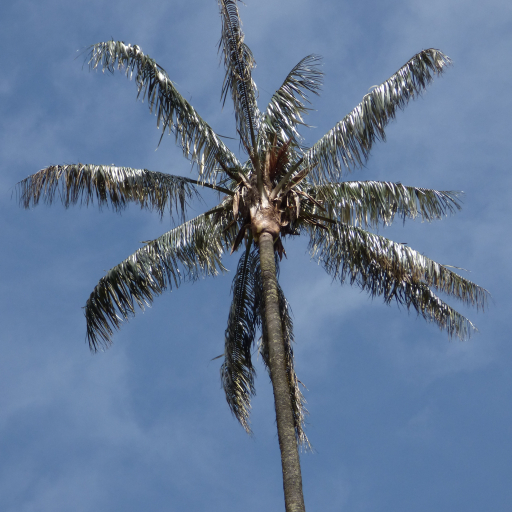
Known as the "Giant of the Andes," the Quindío wax palm (Ceroxylon quindiuense) is the national tree of Colombia and holds the record for the tallest monocot in the world. Reaching heights that seem to defy gravity, these palms emerge from the mist of high-altitude cloud forests like something out of a surrealist painting. Historically, its wax was harvested to light the cathedrals of South America, but today it stands as a protected symbol of majestic resilience.
🔍 How to Identify
- ☁️ Sky-High Stature: This is the world's tallest palm, capable of reaching heights of up to 60 meters (200 feet), towering far above the surrounding forest canopy.
- 🕯️ Waxy Trunk: The trunk is remarkably smooth, cylindrical, and covered in a thick layer of whitish-grey wax, marked by dark rings left by fallen leaves.
- 🌿 Plumed Crown: At the very top sits a dense tuft of dark green, pinnate (feather-like) fronds, often with a silvery or greyish underside that shimmers in the mountain wind.
🏡 In Your Garden & Ecology
- 🏔️ Cloud Forest Native: Unlike your typical tropical beach palm, this species thrives in cool, moist, high-altitude environments (2,000 to 3,000 meters). It struggles in hot, stagnant lowland humidity.
- 🐌 Slow and Steady: It is an incredibly slow-growing species, often taking decades just to form a visible trunk. It requires deep, well-draining soil and "cool feet" to reach its full potential.
- 🦜 Ecological Anchor: It provides a critical habitat and food source for the endangered Yellow-eared Parrot, which nests in the cavities of aging or dead wax palms.
⚠️ Safety & Toxicity
- ✅ Non-Toxic Status: The Quindío wax palm is considered non-toxic to humans, cats, and dogs.
- ⚖️ Physical Caution: Due to its immense height, the primary safety concern in the wild is the weight of falling fronds or fruit clusters, which can be heavy enough to cause injury.
✨ Fun Fact
The Quindío wax palm is exceptionally long-lived; some individuals in the Cocora Valley are estimated to be over 200 years old, having witnessed the entire modern history of Colombia from their high-altitude perches.

Detailed Care Instructions
To grow Ceroxylon quindiuense, also known as the Quindio wax palm, you can follow these steps:
- Climate and location: Ceroxylon quindiuense is native to the Andean cloud forests of Colombia and Ecuador. It requires a tropical to subtropical high-altitude environment with cool temperatures and high humidity. If you do not live in a suitable climate, you can consider growing it in a greenhouse or a controlled indoor environment.
- Seeds: Obtain fresh and viable seeds from a reputable source. Ensure that the seeds are not older than a few months, as they can lose viability quickly. You can soak the seeds in warm water for 24 hours before sowing to enhance germination.
- Soil: Use a well-draining potting mix that is rich in organic matter, such as peat moss or coconut coir. The soil pH should be slightly acidic to neutral.
- Potting: Fill a pot or seed tray with the potting mix and sow the seeds about 2 cm deep. You can keep multiple seeds in the same container, as they do well in clusters.
- Watering: Keep the soil consistently moist but not waterlogged. Ceroxylon quindiuense prefers evenly moist conditions, so ensure that the soil does not dry out completely between waterings.
- Light: Provide the seedlings with bright, indirect sunlight. Ceroxylon quindiuense prefers filtered light or partial shade rather than direct sunlight.
- Temperature and humidity: Maintain a temperature range of 15-25°C (59-77°F) for optimal growth. High humidity is crucial for the Quindio wax palm, so consider using a humidifier or placing the pots on trays filled with water to increase humidity levels. Misting the foliage regularly can also help.
- Fertilizer: Once the seedlings have developed a few leaves, you can start feeding them with a balanced liquid fertilizer. Follow the instructions on the fertilizer package and apply it every 2-4 weeks during the growing season.
- Transplanting: As the seedlings grow, they will need to be potted up into larger containers. Ensure that the new pots have good drainage holes to prevent waterlogging.
- Pruning: Prune any dead or damaged leaves to maintain the overall health and appearance of the plant.
- Patience: Ceroxylon quindiuense is a slow-growing palm and can take several years to reach a substantial size. Be patient and keep providing the necessary care.
Remember that Ceroxylon quindiuense is a palm species that grows very tall, often reaching heights of over 50 meters in the wild. Be prepared for the long-term commitment and the space required to accommodate this majestic tree.

Place in a bright room that is sun drenched almost all day. Or directly in a south-facing window.

The watering requirements for Ceroxylon quindiuense plants are crucial for their healthy growth and survival. Here's a detailed guide on how to water this specific plant without using its common names:
1. Observe the soil moisture: Before watering the Ceroxylon quindiuense plant, it is essential to check the moisture level in the soil. Insert your finger about 1-2 inches (2.5-5 cm) deep into the soil near the plant's root zone. If the soil feels dry, it's an indication that watering is required.
2. Water frequency: While each plant's watering needs may vary depending on various factors, it is generally recommended to water Ceroxylon quindiuense plants thoroughly once a week during the growing season. Adjust the frequency based on the temperature, humidity, and the specific conditions of your plant's environment.
3. Watering technique: Slowly pour water at the base of the plant, ensuring that it reaches the root zone. Avoid waterlogging the soil or wetting the plant's leaves excessively, as this can lead to fungal diseases and root rot.
4. Deep watering: To encourage deep root growth, provide a deep watering session rather than light, superficial watering. Allow the water to penetrate the soil at a slow rate, ensuring it reaches the plant's roots effectively. This promotes sturdy and resilient root development.
5. Drainage: Ensure that the pot or planting area has proper drainage to prevent water accumulation around the roots. Excess water trapped around the roots can cause root rot and other moisture-related issues. If your plant is in a pot, ensure there are drainage holes, and consider using a well-draining potting mix.
6. Adjust to seasonal requirements: Ceroxylon quindiuense plants may have varying water needs based on the different seasons. During colder months or when the plant is in its dormant phase, reduce the watering frequency. Conversely, during hot and dry periods, you may need to increase watering or monitor the soil moisture more closely.
7. Monitor plant response: Pay attention to your Ceroxylon quindiuense plant's overall health and response to watering. Signs of under-watering include dry, wilting leaves and a lack of new growth. Conversely, over-watering can lead to yellowing leaves, root rot, or other symptoms of water stress. Adjust your watering routine accordingly to ensure a healthy balance.
Remember that these guidelines are general recommendations, and it's crucial to adapt them to the specific conditions and needs of your Ceroxylon quindiuense plant.
To fertilize the Ceroxylon Quindiuense plant, first, choose a well-balanced, slow-release fertilizer with an NPK ratio of 10-10-10 or similar. Here are the instructions:
- Start fertilizing in early spring, when the plant begins active growth.
- Dilute the fertilizer according to the package instructions to avoid overfeeding the plant.
- Apply the fertilizer evenly around the base of the plant, avoiding direct contact with the stem.
- Gently work the fertilizer into the top layer of soil using a small gardening tool or your fingers.
- Water the plant thoroughly after fertilizing to help nutrients reach the roots.
- Repeat the fertilization process every 4-6 weeks during the growing season, typically until late summer or early fall.
- During winter, when the plant enters a dormant state, suspend fertilization to allow for a period of rest.
- Monitor the plant for any signs of nutrient deficiency or excess fertilization, such as yellowing or browning leaves, and adjust the fertilization schedule if necessary.
- Remember to always follow the specific instructions on the fertilizer package, as different products may have slightly different application rates or schedules.
By following these fertilizing instructions, you can help provide the necessary nutrients for the healthy growth of the Ceroxylon Quindiuense plant.
When cultivating Ceroxylon Quindiuense plants, it is important to choose the right type of soil to ensure optimal growth. This plant thrives in well-draining soils that are rich in organic matter. A recommended soil mix consists of equal parts of peat moss, coarse sand, and perlite or pumice.
Peat moss provides moisture retention while also improving the soil's ability to drain excess water, preventing waterlogged conditions that can harm the plant's roots. Coarse sand enhances drainage and helps to maintain a loose texture in the soil, allowing for air circulation and root development. Perlite or pumice add additional drainage properties and improve aeration in the soil.
Additionally, it is crucial to avoid using heavy clay soils or soils with poor drainage, as they can lead to root rot and hinder the overall health of the plant. Overall, the selected soil should have a slightly acidic to neutral pH level, typically ranging from 6.0 to 7.0. Regularly monitoring the moisture level of the soil and ensuring appropriate watering practices are also important factors in keeping Ceroxylon Quindiuense plants healthy.
Ceroxylon quindiuense is a tall, palm-like plant that is native to the high-altitude regions of the Andes Mountains in South America. It is also known by a few common names such as Quindio Wax Palm or Quindio Palm. Here are some details on how to propagate Ceroxylon quindiuense:
- Seeds: The most common method of propagation for Ceroxylon quindiuense is through seeds. To collect seeds, wait for the fruits to ripen on the plant. The fruits are small, round, and usually orange or red in color. Remove the seeds from the fruits and wash off any remaining pulp.
- Seed treatment: Before sowing, it may be beneficial to soak the seeds in warm water for 24 hours. This can help to soften the seed coat and promote germination.
- Soil mixture: Prepare a well-draining soil mixture that consists of a blend of peat moss, perlite, and sand. This will provide the ideal growing conditions for the seeds.
- Planting: Sow the seeds in individual pots or seed trays, burying them just below the soil surface. Gently press the soil around the seeds to ensure good contact. Keep the soil slightly moist throughout the germination process.
- Germination: Ceroxylon quindiuense seeds usually take several weeks to months to germinate. Maintain a warm temperature between 20-25°C (68-77°F) to help stimulate germination. The use of a propagation heat mat can be helpful in providing consistent warmth to the seeds.
- Light and humidity: Place the newly planted seeds in a location that receives bright, indirect sunlight. It is also important to maintain a high level of humidity around the seeds, as Ceroxylon quindiuense prefers a humid growing environment.
- Transplanting: Once the seedlings have developed a few sets of leaves and are strong enough to handle, they can be transplanted into larger pots or into the ground. Make sure to acclimate them gradually to outdoor conditions if they were initially started indoors.
- Care: Provide regular waterings to keep the soil evenly moist, but avoid overwatering as it can cause root rot. Provide a balanced liquid fertilizer every few months to support healthy growth. Protect the young plants from strong winds and extreme temperatures until they become more established.
By following these steps, you can successfully propagate Ceroxylon quindiuense and enjoy the beauty of this unique plant in your own garden or landscape.








