Plant Overview
Often called the "Parlor Palm," this graceful green companion has been a staple of interior design since the Victorian era. Back then, it was a prized status symbol of wealth, displayed in the darkened parlors of high society because of its rare ability to thrive in dim light. Native to the dense rainforests of Southern Mexico and Guatemala, it remains the ultimate "starter palm" for modern plant lovers.
🔍 How to Identify
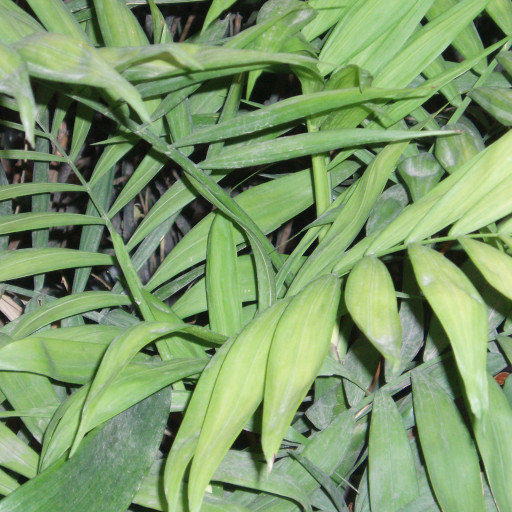
- 🌿 Feathery Fronds: It features delicate, pinnate (vane-like) leaves that arch gracefully from slender stems, creating a soft, airy silhouette that mimics a miniature jungle.
- 🎋 Reed-like Stems: The base consists of thin, green, ringed stems that resemble miniature bamboo; these are often planted in clusters to give the plant a fuller, bushier look.
- 🌼 Bead-like Blooms: On mature plants, you might notice tiny, yellow, spherical flowers appearing on branched stalks, which look a bit like clusters of mimosa seeds.
🏡 In Your Garden
- ☁️ The Shadow Seeker: Unlike many of its desert-dwelling palm cousins, this species evolved on the dim rainforest floor. It actively prefers "dappled" light and will suffer from "sunburn" (crispy brown patches) if placed in direct afternoon sun.
- 💧 Humidity & Hydration: It loves consistency. While it can tolerate a missed watering, it despises "wet feet." Using a well-draining potting mix is essential to prevent root rot, and occasional misting helps prevent the leaf tips from browning in dry indoor air.
- 🌱 Patience is a Virtue: This palm is notoriously slow-growing. Because it takes its time, it won't outgrow its corner quickly, and it hates being repotted frequently—it actually prefers its roots to be a little snug.
⚠️ Safety & Toxicity
- 🐾 Pet Friendly: This is one of the safest choices for pet owners! The Chamaedorea elegans is officially listed by the ASPCA as non-toxic to both cats and dogs.
- 👶 Safe for Humans: It poses no threat to curious children and does not have the sharp spines or "teeth" found on other palm varieties, making it a gentle addition to any room.
✨ Fun Fact
During the 19th century, these palms were so hardy that they were among the few plants capable of surviving the "London Fog" and the thick coal smoke that filled Victorian-era homes. This resilience earned them their permanent place in the world of interior decorating.

Detailed Care Instructions
To grow Chamaedorea elegans, also known as the parlor palm or neanthe bella palm, follow these steps:
- Start with a healthy plant: Purchase a healthy and well-established Chamaedorea elegans plant from a reputable nursery or garden center. Make sure it has lush green foliage and no signs of diseases or pests.
- Choose the right location: Chamaedorea elegans prefers bright, indirect light. Place the plant in a location where it will receive filtered sunlight or shade throughout the day. Avoid direct sunlight as it can scorch the leaves.
- Provide proper temperature and humidity: This plant thrives in temperatures between 65°F to 80°F (18°C to 27°C). It likes high humidity, so mist the leaves regularly or place a humidifier nearby. Avoid placing the plant near drafts or air conditioning vents.
- Watering: Chamaedorea elegans likes consistently moist soil, but it should not be waterlogged. Water the plant when the top inch of soil feels dry. Ensure proper drainage by using a well-draining potting mix and allowing excess water to flow out of the drainage holes.
- Fertilizing: Feed the plant with a balanced houseplant fertilizer once a month during the growing season (spring and summer). Follow the instructions on the fertilizer package for dosage recommendations.
- Repotting: Chamaedorea elegans can grow in small pots, so repotting is only necessary when the roots outgrow the current container. Repot it in a larger pot using fresh potting soil, preferably in spring.
- Pruning: Remove any yellowing or dead fronds by cutting them off where they meet the main stem. This helps maintain the plant's overall appearance and health.
- Pest control: Keep an eye out for common houseplant pests, such as spider mites and mealybugs. If you notice any infestation, treat it with appropriate insecticides or by wiping the affected areas with a damp cloth.
By following these care tips, your Chamaedorea elegans should thrive and grow into a beautiful and lush indoor plant.

Place in a window with dappled sun or a spot in the middle of a room. Or directly in a window facing west or east.

To properly water this plant, wait for the top inch of soil to dry out before providing it with water. Ensure that the water reaches all parts of the soil in the pot, but avoid over-watering as it can lead to root rot. Use room temperature water and make sure the pot has good drainage to allow excess water to escape. It is recommended to water the plant deeply but less frequently rather than small amounts frequently.
To promote healthy growth of this plant, apply a balanced liquid or slow-release fertilizer once every two months during the growing season. Dilute the fertilizer to half-strength to avoid burning the plant roots. Water the plant thoroughly before and after fertilizing. Avoid fertilizing during the dormant period, which is during the winter months. Be mindful not to over-fertilize as it may cause the plant to become weak and susceptible to pests and diseases. Additionally, regularly removing any yellow or brown leaves will also help the plant thrive.
The Chamaedorea Elegans plant thrives best in soil that is well-draining and rich in organic matter. It is important to choose soil that is moisture-retentive but not waterlogged, as too much moisture can lead to root rot and other fungal diseases. A soil mix that contains peat moss, perlite, and vermiculite is ideal for this plant. Additionally, it is important to ensure that the soil is not too acidic or alkaline, as this can affect the plant's ability to absorb nutrients. A pH range of 5.5 to 7.5 is recommended for this plant. Finally, regular fertilization with a balanced, water-soluble fertilizer can help ensure healthy growth and development.
Chamaedorea elegans plant can be propagated by using fresh seeds or division of clumps of the plant. To propagate through seed, the seeds need to be soaked in lukewarm water for 24 hours. After that, they can be planted in the soil and kept in a warm, humid place. To propagate through division, the plant needs to be removed from the pot and divided into smaller clumps. Each clump should have its roots and stems intact. The new clumps can then be planted in separate pots with fresh soil. It is important to keep the soil moist and provide the plant with indirect light to promote healthy growth. Finally, it will take a few weeks for the plant to establish in its new environment.
Common pests of the neanthe bella palm include Mealybugs, spider mites, fungus gnats, thrips. Make a habit of checking your neanthe bella palm frequently for pests so that any infestations can be caught and managed early.







