Plant Overview
Known as the "Port Orford Cedar" in its native Pacific Northwest, this elegant conifer is a true aristocrat of the evergreen world. While it isn't a true cedar, its lace-like foliage and stately, pyramidal shape have made it one of the most popular ornamental trees in the world. With hundreds of cultivars available—ranging from towering blue giants to tiny golden globes—there is a Lawson Cypress for almost every landscape "vibe."
🔍 How to Identify
- 🌿 The Foliage: Look for flat, fern-like sprays of needles. If you look closely at the underside, you’ll often see faint white "X" markings where the scales overlap.
- 🫐 The Cones: It produces tiny, globose cones about the size of a pea. They start out green or bluish-tinted (looking a bit like tiny soccer balls) and turn woody and brown as they mature.
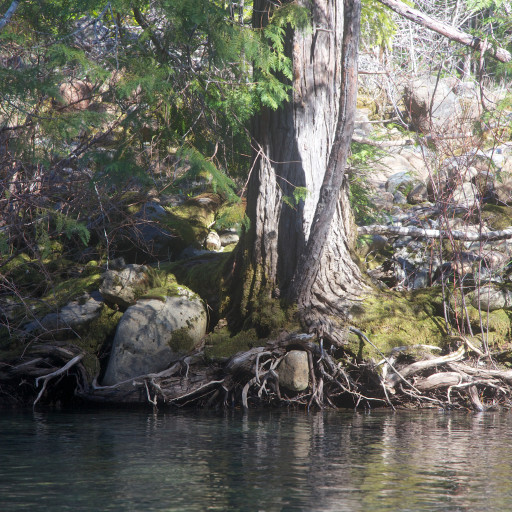
- 🌲 The Bark: On mature trees, the bark is thick, fibrous, and reddish-brown, often peeling in long, vertical strips.
- 👃 The Scent: When the foliage is crushed, it emits a distinct, pleasant aroma that many describe as a mix of parsley and resin.
🏡 In Your Garden
- 🏰 Privacy King: Because of its dense, upright growth habit, it is one of the best plants for creating "living walls" or tall screens that block wind and noise.
- 💧 The Drainage Rule: This tree is famously picky about its "feet." It thrives in moist air but will quickly succumb to root rot if planted in heavy, waterlogged clay. It’s best to plant it in a spot where water never pools.
- ✂️ Pruning Caution: Unlike some shrubs, it does not sprout easily from "old wood." If you prune it back too hard into the brown, leafless interior, that spot will likely stay bald forever.
⚠️ Safety & Toxicity
- 🧤 Mild Irritant: While not considered "deadly," the sap and foliage can cause skin irritation or contact dermatitis in sensitive individuals. It is wise to wear gloves when pruning.
- 🐾 Pet Safety: It is generally considered non-toxic to dogs and cats, though ingesting large amounts of any coniferous needles can cause stomach upset or mouth irritation.
✨ Fun Fact
The wood of the Lawson Cypress is world-famous for its straight grain and incredible fragrance. In Japan, it is highly sought after as a substitute for the sacred Hinoki Cypress and is used to build traditional coffins, temples, and even high-end guitar tops!

Detailed Care Instructions
| Humidity | High |
| Lighting | Part Sun |
| Difficulty | Medium |
| Temperature | 10°C - 24°C |
| Hardiness Zones | 6A - 9B |
To grow Chamaecyparis Lawsoniana, also known as Lawson cypress or Port Orford cedar, you can follow these steps:
- Choose the right location: Chamaecyparis Lawsoniana prefers full sun to partial shade. It requires well-draining soil and can tolerate a wide range of soil types, including loam, sand, and clay.
- Planting: Dig a hole that is slightly larger and deeper than the root ball. Gently remove the plant from its container, teasing out the roots if they appear pot-bound. Place the plant in the hole, making sure it is at the same depth as it was in the container. Backfill the hole with soil, firming it gently around the roots.
- Watering: After planting, water the plant thoroughly to settle the soil and provide moisture to the roots. Keep the soil consistently moist but not waterlogged, especially during the first year when the plant is establishing its root system.
- Mulching: Apply a layer of organic mulch around the base of the plant, leaving a small gap around the stem to prevent rotting. Mulching helps retain soil moisture, suppresses weeds, and moderates soil temperature.
- Pruning: Chamaecyparis Lawsoniana usually requires minimal pruning. However, if necessary, prune back any dead, diseased, or damaged branches. Pruning can be done in late winter or early spring before new growth begins.
- Fertilizing: Apply a balanced, slow-release fertilizer in early spring to promote healthy growth. Follow the instructions on the fertilizer package for dosage and application method.
- Pests and diseases: Chamaecyparis Lawsoniana can be susceptible to diseases such as root rot and canker. Monitor the plant for any signs of discoloration, wilting, or unusual growth and take appropriate measures if needed. It's also important to regularly inspect for pests like aphids, mealybugs, or scale insects and treat them with organic or chemical insecticides as necessary.
- Winter protection: In colder climates, protect the plant from harsh winter conditions, especially when young. Apply a layer of mulch around the base of the plant to insulate the roots and consider using burlap or a windscreen to shield it from drying winds.
Remember to check for specific care requirements based on your climate and growing conditions, as they may vary. Additionally, be patient, as Chamaecyparis Lawsoniana can take a few years to reach its full potential size.

Place in a window with dappled sun or a spot in the middle of a room. Or directly in a window facing west or east.

Chamaecyparis Lawsoniana plant needs regular watering to thrive, but overwatering can damage it. To water this plant, you should first check the soil moisture level by inserting your finger into the soil up to an inch deep. If the soil feels dry, it's time to water the plant.
When watering, pour water around the base of the plant, aiming to moisten the soil to a depth of about six inches. Allow the water to absorb into the soil, and then check the soil moisture level again. If the soil is still damp, wait a few more days before watering again.
Avoid getting water on the foliage of the plant as this can cause fungal diseases. Water the plant early in the morning or late in the evening when temperatures are cooler to minimize water evaporation. You can also add a layer of mulch around the base of the plant to help retain moisture in the soil.
It's important to note that the water needs of Chamaecyparis Lawsoniana may vary depending on the growing environment, so it's a good idea to keep a close eye on the plant and adjust your watering schedule accordingly.
To fertilize this plant, use a balanced fertilizer with equal amounts of nitrogen, phosphorus, and potassium. Apply the fertilizer in the spring before new growth appears and again in the fall. Follow the instructions on the fertilizer package for amount and application method. Be sure to water the plant after fertilization to help the nutrients reach the roots. Avoid fertilizing during hot or dry weather as this may damage the plant.
The preferred soil type for this plant is a well-draining soil with a pH range between 5.5 to 7.5. The soil should also have good organic content and be well-aerated to allow for healthy root growth. This plant is sensitive to waterlogged soil and prefers soil that is moist but not wet. It is recommended to mix in some sand or perlite to improve soil drainage and to avoid waterlogged soil. Additionally, adding a slow-release fertilizer to the soil can provide necessary nutrients for plant growth.
Chamaecyparis Lawsoniana plant can be propagated through stem cuttings. First, select a healthy and mature stem that is approximately 6 inches in length. Cut the stem just below a node (where a leaf attaches to the stem). Remove the lower leaves, leaving only 2-3 leaves at the top.
Next, dip the cut end of the stem into rooting hormone powder to encourage the growth of roots. Plant the stem cutting into a well-draining potting mix and cover it with a plastic bag to create a greenhouse effect. Keep the soil moist and place the plant in a location with bright, indirect light.
After a few weeks, check for signs of root growth by gently tugging on the plant. If there is resistance, the plant has rooted successfully. Remove the plastic bag and continue to care for the plant as normal.
Alternatively, Chamaecyparis Lawsoniana plant can also be propagated through layering. This involves bending a low-hanging branch to the ground and burying it under soil while still attached to the parent plant. After a few months, roots will develop and the new plant can be separated from the parent plant and potted separately.








