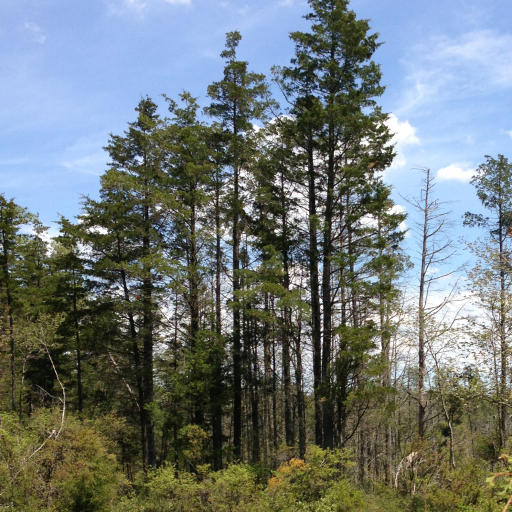
Plant Overview
Known as the Atlantic White Cedar or the "Swamp Cedar," this elegant evergreen is a ghost of the eastern wetlands. While it looks like a delicate garden shrub, it is a hardy survivor that has stood watch over North American coastlines for centuries. In colonial times, its rot-resistant wood was so prized that it was the primary choice for building shingles, boardwalks, and even the hulls of ships.
🔍 How to Identify
- 🌿 Scale-like Foliage: Unlike the long needles of a pine, this tree has tiny, overlapping scales arranged in flattened, fan-like sprays that feel surprisingly soft to the touch.
- 🍒 Miniature Cones: It produces very small, spherical cones (about 1/4 inch wide) that look like tiny, bluish-green ornaments before they ripen into a woody brown.
- 🪵 Fibrous Bark: The bark is a distinctive reddish-brown and develops a "shredded" or stringy texture that often appears to spiral slightly as the tree matures.
🏡 In Your Garden
- 💧 The "Wet Feet" Specialist: Most evergreens hate "wet feet," but the Atlantic White Cedar thrives in boggy, acidic, and poorly drained soil. It is the perfect solution for that low-lying, soggy corner of your yard where other plants fail.
- ☀️ Sun Seeker: While it can tolerate some light shade, it grows best and maintains a denser, more attractive shape in full sun. In deep shade, the inner foliage tends to thin out and turn brown.
⚠️ Safety & Toxicity
- 🐾 Non-Toxic Status: This plant is generally considered safe for humans, dogs, and cats. It does not contain the dangerous alkaloids found in some other conifers like the Yew.
- 🧤 Skin Sensitivity: While not poisonous, the dense foliage can be slightly abrasive. If you are doing heavy pruning, wearing gloves is recommended to avoid minor skin irritation or "evergreen rash" from the scale-like leaves.
✨ Fun Fact
Because the wood is so incredibly resistant to decay, "fossil" logs that fell into swamps hundreds of years ago are often "mined" out of the mud today. This "sunken treasure" wood is still in perfect condition and is highly sought after by craftsmen for its historical value and durability!

Detailed Care Instructions
To grow Chamaecyparis thyoides, also known as Atlantic white cedar, you can follow these steps:
- Choose the right location: Chamaecyparis thyoides prefers moist, acidic soils with good drainage. It thrives in full sun to partial shade. Make sure the site provides enough space for the tree to grow, as it can reach a height of approximately 40-60 feet (12-18 meters) and a spread of 8-20 feet (2.4-6 meters).
- Prepare the soil: Test the soil pH and aim for a slightly acidic range of 5.0-6.5. Amend the soil with organic matter like compost or peat moss to improve drainage and fertility.
- Planting: Dig a hole that is wider and slightly shallower than the tree's root ball. Carefully remove the tree from its container and gently loosen the roots. Place the tree in the hole, making sure it sits at the same level as it did in the container. Backfill the hole with soil, firming it gently around the roots to remove any air pockets.
- Watering: After planting, water the tree thoroughly. Keep the soil moist, but not waterlogged, especially during the first year of growth. Water deeply once a week, or more frequently during hot, dry periods.
- Mulching: Apply a layer of organic mulch around the base of the tree to conserve moisture, suppress weed growth, and regulate soil temperature. Mulch also helps to improve soil structure as it decomposes. Maintain a 2-3 inch (5-8 cm) layer of mulch, keeping it a few inches away from the trunk to prevent rot.
- Pruning: Minimal pruning is necessary for Chamaecyparis thyoides. You can remove any dead, damaged, or diseased branches as needed. It is best to prune in early spring before new growth begins.
- Fertilizing: Chamaecyparis thyoides typically does not require heavy fertilization. However, you can apply a balanced slow-release fertilizer in early spring to provide essential nutrients.
- Pests and diseases: Chamaecyparis thyoides is generally resistant to pests and diseases, but occasionally can be affected by bagworms, spider mites, or scale insects. Regular monitoring can help identify and manage any infestations promptly.
- Winter protection: Since Chamaecyparis thyoides is hardy, it can withstand cold winter temperatures. However, in areas with harsh winters, adding a layer of mulch around the base of the tree and wrapping it with burlap can provide additional protection.
Remember to check local regulations before planting Chamaecyparis thyoides, as it may be protected or restricted in some areas due to its ecological importance.

Place in a window with dappled sun or a spot in the middle of a room. Or directly in a window facing west or east.

Chamaecyparis Thyoides is an evergreen plant that requires regular watering to grow and flourish. The watering routine should be consistent and the soil should remain moist, but never waterlogged. To determine the amount of water needed, the soil should be checked regularly by inserting a finger into the soil to check the moisture level. If the soil feels dry, then a watering is needed.
When watering, it’s important to ensure that the water is being absorbed deeply into the soil. This can be achieved by watering slowly and deeply. A drip irrigation system is especially effective for watering Chamaecyparis Thyoides. It’s recommended to water in the early morning or evening when the temperature is cooler and the water is less likely to evaporate quickly.
It’s important to avoid watering the foliage of the Chamaecyparis Thyoides plant, as this can lead to disease and fungal growth. Instead, water the soil directly around the base of the plant. It’s also important to monitor the weather conditions during the growing season. During hot and dry weather, the plant may require more frequent watering to maintain the moisture level of the soil.
Overall, proper watering techniques are essential for the health and growth of Chamaecyparis Thyoides. With consistent, deep watering and attention to when it needs to be watered, this evergreen plant can thrive and provide a beautiful addition to any landscape.
To fertilize this plant, it is recommended to use a balanced, slow-release fertilizer in the early spring just before new growth begins. Make sure to follow the instructions provided by the manufacturer and not to over-fertilize, as this can lead to burn and damage the plant. Additionally, it is important to water the plant thoroughly before and after fertilizing to ensure proper absorption.
Chamaecyparis Thyoides plant prefers well-drained soil that contains a high amount of organic matter. The soil should be slightly acidic, with a pH range of 5.5 to 6.5. It is recommended to mix the soil with compost or peat moss to improve its drainage and fertility. Avoid using heavy clay soils or sandy soils that are low in nutrients. The plant prefers moist soil that is evenly watered but not waterlogged. Adding mulch to the soil surface can help to maintain soil moisture levels and provide additional nutrients to the plant.
To propagate this plant, begin by taking softwood cuttings from healthy, mature stems in late spring or early summer. Remove any leaves from the bottom two-thirds of the cutting and dip the cut end in rooting hormone powder. Then, insert the cutting into a pot filled with moistened perlite and peat moss.
Cover the pot with a transparent plastic bag and place it in a warm, bright location out of direct sunlight. Mist the cutting periodically to maintain humidity. After several weeks, roots should begin to form and new growth should appear.
Once the cutting has rooted and is growing well, transplant it to a larger pot or directly into the ground, being careful not to damage the roots. Water the plant regularly and provide it with sufficient sunlight and nutrients to encourage healthy growth.








