Plant Overview
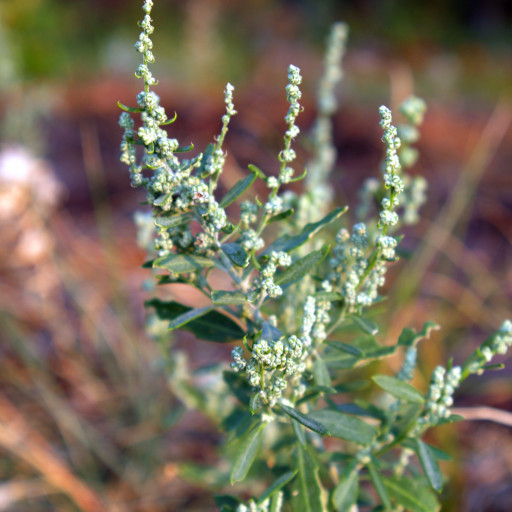
Known as "Goosefoot" or "Lamb's Quarters," the Chenopodium genus is a collection of hardy plants often dismissed as common weeds. However, they have a rich history as a "superfood" long before the term was trendy, following human cultivation across the globe and thriving wherever the earth is disturbed. Its common name comes from the distinct shape of its leaves, which look remarkably like the webbed feet of a goose.
🔍 How to Identify
- 🍃 Leaf Shape: Most species feature triangular or diamond-shaped leaves with wavy, toothed edges that widen at the base.
- ❄️ Mealy Texture: A key identifier is the white, powdery "dust" found on the undersides of leaves and new shoots, which feels slightly waxy or flour-like to the touch.
- 🌱 Flower Clusters: The plant produces tiny, inconspicuous green flowers that grow in dense, knobby spikes at the top of the stems rather than showy petals.
🏡 In Your Garden
- 🍴 The Forager’s Favorite: Many species are highly prized by wild food enthusiasts as a "wild spinach." The leaves are tender and packed with more vitamins A and C than many store-bought greens, though they should only be harvested from areas free of pesticides.
- 🚜 Nitrogen Lover: These plants are bio-indicators; they love nitrogen-rich soil. If they are popping up aggressively in your garden, it’s a sign that your soil is exceptionally fertile.
- 💪 Taproot Strength: They develop a sturdy, deep taproot quickly. If you want to remove them, do so while they are young and the soil is damp, as they become very difficult to pull once they reach maturity.
⚠️ Safety & Toxicity
- 🥬 Moderation is Key: While edible for humans, Chenopodium contains oxalic acid (like spinach and rhubarb). It is perfectly safe in normal amounts, but those prone to kidney stones should consume it in moderation.
- 🐕 Pet & Livestock Caution: While generally safe for household pets in small nibbles, these plants can accumulate nitrates from the soil. In large quantities, they can be toxic to livestock, particularly cattle and sheep.
✨ Fun Fact
🌾 The Quinoa Connection: The trendy "supergrain" Quinoa is actually a member of this genus (Chenopodium quinoa). When you look at a common Goosefoot weed in your backyard, you are looking at the direct cousin of one of the world's most important ancient food crops!

Detailed Care Instructions

Place in a bright room that is sun drenched almost all day. Or directly in a south-facing window.
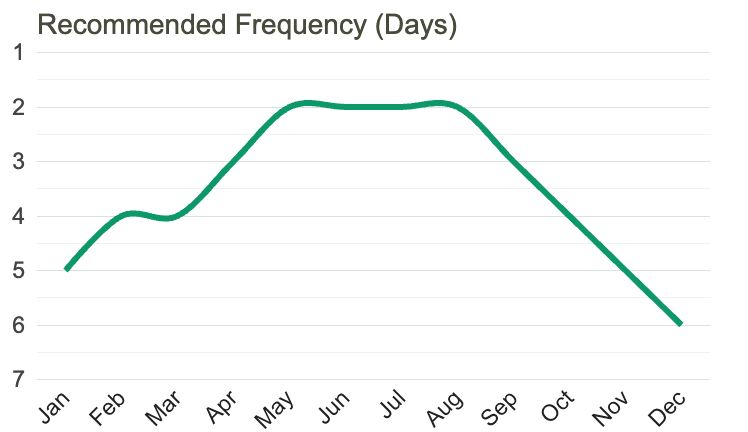
- Chenopodium plant requires regular watering to thrive.
- To water the plant, start by checking the soil moisture level. Stick your finger about an inch into the soil to check for dryness.
- If the soil feels dry, water the plant thoroughly until it drains from the bottom of the pot.
- Be careful not to overwater the plant, as this can cause root rot. Only water the plant when the soil feels dry to the touch.
- It is also important to avoid getting water on the leaves, as this can cause damage or disease.
- To avoid wetting the leaves, use a watering can with a long spout to deliver the water directly to the soil. Another option is to use a drip irrigation system.
- During periods of drought or hot weather, the Chenopodium plant may require more frequent watering to keep the soil moist.
The ideal soil to use for this plant is a well-draining soil with a neutral to slightly acidic pH. The soil should be rich in organic matter and nutrients. It is important not to over-fertilize the soil as this can lead to leafy growth at the expense of flowers and seeds. Additionally, this plant is tolerant of a range of soil types, from sandy to clayey soils. Overall, the most important thing to consider when choosing soil for this plant is that it must be well-draining and nutrient-rich.







