Plant Overview
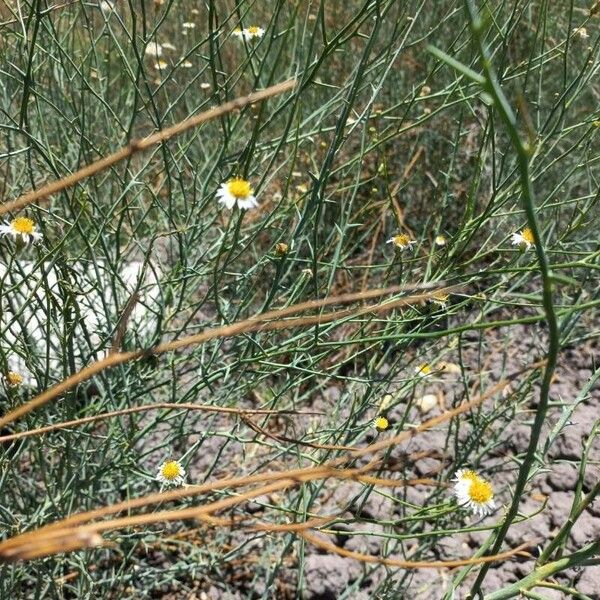
Often referred to as the Mexican Devil-weed or Spiny Aster, Chloracantha spinosa is a rugged survivor found across the southwestern United States and down into Central America. While its common names suggest a troublesome nature, this plant is a master of desert adaptation, transforming from a tangled thicket of green "wires" into a sea of delicate white stars when in bloom.
🔍 How to Identify
- 🌿 The Stems: Look for slender, zig-zagging green stems that remain vibrant even when the plant has dropped its leaves. The stems handle most of the plant's photosynthesis.
- 🗡️ The Spines: True to its name (spinosa), the tips of the smaller branches often taper into sharp, stiff points that can easily prick an unwary hand.
- 🌼 The Flowers: In late summer and fall, it produces small, daisy-like flowers with bright white petals and yellow centers, clustered at the ends of the branches.
🏡 In Your Garden
- 🏜️ Hardy Resilience: This isn't a delicate flower for a manicured bed. It thrives in "difficult" spots—salty soils, heavy clay, and ditches. It is an excellent choice for erosion control in dry, sloping areas.
- 🏃 Spreading Habit: Be cautious of its "Devil-weed" reputation. It spreads via underground rhizomes and can become quite aggressive in a backyard setting if the soil is even moderately moist.
⚠️ Safety & Toxicity
- 🩹 Physical Hazard: The primary danger comes from the sharp, needle-like branch tips. These can cause painful punctures or scratches to gardeners, children, and pets.
- 🐾 Non-Toxic but Nuisance: While not considered chemically toxic to dogs or cats, the physical spines make it a plant to avoid in high-traffic pet areas. Always wear thick leather gloves when pruning.
✨ Fun Fact
- ✨ Chloracantha spinosa is a "stem-photosynthesizer." Much like a cactus, it can survive extreme heat and drought by dropping its tiny leaves to prevent water loss, relying entirely on its green stems to produce energy from the sun!

Detailed Care Instructions
To grow a Chloracantha Spinosa plant, you can follow these steps:
- Choose a location: Chloracantha Spinosa plants prefer full sun and well-draining soil. Choose a spot in your garden or patio that receives at least 6-8 hours of direct sunlight per day.
- Planting: Plant the Chloracantha Spinosa plant in the spring or early summer. Dig a hole that is slightly larger than the root ball of the plant and gently place the plant in the hole. Fill the hole with soil and water thoroughly.
- Watering: Water the Chloracantha Spinosa plant regularly, especially during hot and dry weather. Make sure the soil is moist but not waterlogged.
- Fertilizing: Feed the Chloracantha Spinosa plant with a balanced fertilizer once a month during the growing season to encourage healthy growth and flowering.
- Pruning: Prune the Chloracantha Spinosa plant in the late winter or early spring to remove any dead, damaged, or overgrown branches. This will help promote new growth and keep the plant looking tidy.
- Propagation: You can propagate Chloracantha Spinosa plants by taking stem cuttings in the spring or summer. Simply cut a 4-6 inch long stem from the plant, remove the lower leaves, and plant it in a pot with well-draining soil. Keep the soil moist and the cutting should root within a few weeks.
By following these steps, you should be able to grow a healthy and beautiful Chloracantha Spinosa plant in your garden.

Place in a bright room that is sun drenched almost all day. Or directly in a south-facing window.

Chloracantha Spinosa plant should be watered thoroughly, allowing the water to seep into the soil and reach the roots. It is important to avoid over-watering, as this can lead to root rot. Check the soil moisture regularly by inserting your finger into the soil; if it feels dry about an inch below the surface, it is time to water. Water the plant at the base, near the roots, rather than on the foliage to prevent water from sitting on the leaves, which can cause issues such as fungal diseases. It is also beneficial to use room temperature water to avoid shocking the plant. During the growing season, typically in spring and summer, water the Chloracantha Spinosa plant more frequently, and reduce watering in the winter months when the plant is dormant. Adjust the watering schedule based on the specific needs and conditions of your plant.
To fertilize the Chloracantha Spinosa plant, apply a balanced fertilizer with a 10-10-10 NPK ratio once a month during the growing season. Dilute the fertilizer according to the manufacturer's instructions and water the plant thoroughly after application. Avoid over-fertilizing as it can lead to nutrient burn and damage the plant. Regularly monitor the plant's growth and adjust the fertilization schedule as needed based on its health and appearance.
Chloracantha Spinosa plants prefer well-draining soil with a slightly acidic to alkaline pH level. A sandy loam or sandy soil mixture is ideal for these plants, as it allows for proper drainage and prevents waterlogging, which can lead to root rot. Adding organic matter such as compost or peat moss can help improve soil fertility and structure. It is important to avoid heavy clay soils, as they can retain too much water and suffocate the plant's roots. Additionally, incorporating perlite or pumice into the soil mixture can further enhance drainage and aeration for optimal growth and health of the Chloracantha Spinosa plant.
Chloracantha Spinosa plant can be propagated through stem cuttings. To do this, select a healthy, mature stem from the parent plant and cut it at a 45-degree angle using a sharp, sterile knife or scissors. Remove any leaves from the lower half of the cutting.
Dip the cut end of the stem into a rooting hormone to encourage root development. Plant the cutting in a well-draining soil mixture, such as a combination of potting mix and perlite. Water the cutting thoroughly and place it in a warm, bright location with indirect sunlight.
Keep the soil consistently moist, but not waterlogged, and mist the cutting regularly to maintain high humidity levels. Roots should begin to develop within a few weeks, at which point the cutting can be transplanted into a larger pot or outdoor garden.
It's important to monitor the cutting closely and provide proper care and maintenance to ensure successful propagation. With time and patience, the cutting will grow into a healthy, thriving Chloracantha Spinosa plant.








