Plant Overview
Known widely as the Curare Vine, this South American giant is the stuff of jungle legends. For centuries, Amazonian hunters have extracted its potent juices to create poison-tipped arrows capable of paralyzing prey in seconds. Despite its "deadly" reputation in the wild, this woody climber has transitioned from the rainforest canopy to the operating room, playing a pivotal role in the history of modern surgical anesthesia.
🔍 How to Identify
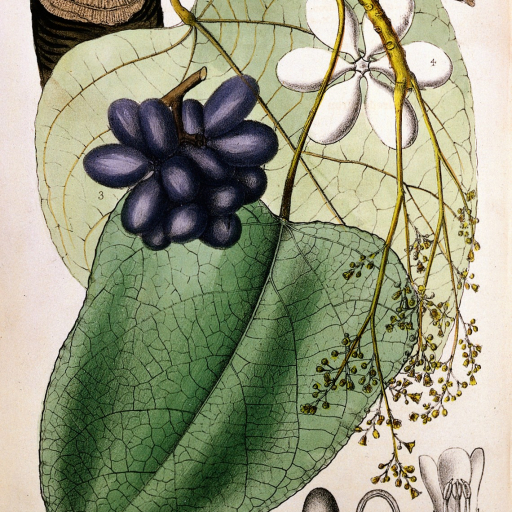
- 🍃 Velvety Leaves: The leaves are broadly heart-shaped and dark green on top, but the underside is covered in a dense, silvery-white fuzz (the "tomentum") that gives the plant its scientific name.
- 🧗 Woody Liana: It grows as a massive woody vine, often reaching over 100 feet long as it snakes its way up through the canopy of the rainforest.
- 🍇 Dark Clusters: It produces small, greenish-white flowers that eventually turn into clusters of purplish-black, grape-like fruits (drupes).
🌳 Habitat & Ecology
- 🌦️ Tropical Demands: This plant is strictly a tropical resident, thriving in the high humidity and consistent warmth of the Amazon basin. It prefers "terra firme" forests where the soil is rich but well-drained.
- 🏗️ Structural Dependence: As a true liana, it cannot stand on its own. It uses the sturdy trunks of ancient trees as a ladder to reach the sunlight, where it eventually spreads its foliage across the forest roof.
⚠️ Safety & Toxicity
- 💀 Lethal Potential: This plant is the primary source of d-tubocurarine, a powerful alkaloid that causes total muscle paralysis.
- 🚫 Circulatory Danger: While indigenous people sometimes used the plant medicinally in highly diluted forms, it is extremely dangerous. The poison is most lethal when it enters the bloodstream (via a cut or wound), leading to respiratory failure while the victim remains fully conscious. Keep away from children and pets at all costs.
✨ Fun Fact
Medical history was changed forever by this vine! In the mid-20th century, scientists refined the plant's toxins to create the first effective muscle relaxants for human surgery. This allowed surgeons to perform delicate chest and abdominal operations without the patient’s muscles twitching or resisting.

Detailed Care Instructions
Growing Chondrodendron tomentosum, a plant native to South American tropical rainforests, can be challenging but is feasible with the right conditions and care. This plant, known for its role as a source of curare, thrives in a specific set of environmental parameters. Here's a guide to help you grow Chondrodendron tomentosum:
1. Climate and Temperature:
- Warm environment: Maintain temperatures between 20-30°C (68-86°F). This plant prefers a consistent warm climate.
- Humidity: High humidity is crucial, aiming for 70-90% relative humidity, to mimic its natural rainforest habitat.
2. Light:
- Indirect sunlight: Provide bright, indirect light. Direct sunlight can be too harsh and may scorch the leaves.
- Shade: Partial shade conditions are ideal, similar to the forest understory where this plant naturally grows.
3. Soil:
- Well-draining soil: Use a rich, well-draining potting mix. A combination of peat moss, perlite, and organic matter can work well.
- pH Level: Aim for a slightly acidic to neutral pH, around 6.0-7.0.
4. Watering:
- Regular watering: Keep the soil consistently moist but not waterlogged. Water when the top inch of soil feels dry, ensuring good drainage to avoid root rot.
- Water quality: Use dechlorinated or rainwater if possible, as the plant is sensitive to chemicals found in tap water.
5. Fertilizing:
- Balanced fertilizer: During the growing season (spring and summer), feed the plant with a balanced, water-soluble fertilizer every 4-6 weeks. Reduce feeding in fall and winter when growth slows down.
6. Propagation:
- Seeds: Sow seeds in a moist, well-draining medium and maintain high humidity and warm temperatures to encourage germination.
- Cuttings: You can also propagate via cuttings by taking healthy, non-flowering stems and rooting them in a moist substrate.
7. Potting and Re-potting:
- Initial potting: Start with a medium-sized pot to give the roots space to grow. Ensure the pot has drainage holes.
- Repotting: Repot the plant every 1-2 years or when it outgrows its current pot. This helps refresh the soil and provides more room for growth.
Additional Tips:
- Mimic natural habitat: Pay attention to mimicking the plant's natural environment as closely as possible.
- Pest management: Keep an eye out for pests such as aphids, spider mites, and scale. Use natural remedies or insecticidal soap if needed.
- Air circulation: Ensure good air circulation around the plant to minimize fungal infections, but avoid placing it in a drafty location.
By providing Chondrodendron tomentosum with the proper conditions and care, you can successfully grow this fascinating tropical plant.
Watering Chondrodendron tomentosum, a tropical vine native to South America, requires careful attention to replicate its natural environment. Here’s a detailed guide:
Frequency:
- Regular Consistency: Water the plant consistently to keep the soil evenly moist but not waterlogged. Overwatering can lead to root rot, so it's crucial to strike a balance.
Method:
- Top Watering: Water from the top, ensuring it penetrates deeply into the soil. Allow excess water to drain out from the bottom of the pot to prevent standing water.
- Avoid Sprinkling: Direct the water towards the base rather than wetting the foliage. Wet leaves can increase the risk of fungal infections.
Water Quality:
- Purified Water: Use distilled or rainwater if possible, as these plants can be sensitive to the chemicals in tap water. If using tap water, let it sit for 24 hours to allow chlorine to dissipate.
Soil and Drainage:
- Well-Draining Soil: Ensure the soil mix is rich and well-draining. Ideal components may include a mixture of loamy soil, peat, and perlite or sand.
- Drainage Holes: Use pots with sufficient drainage holes to prevent water from accumulating at the bottom.
Environmental Conditions:
- Humidity: Maintain high humidity levels around the plant, mimicking its native tropical environment. This can be achieved using a humidifier or placing the pot on a tray filled with pebbles and water.
- Temperature: Ensure temperatures are kept between 65°F to 80°F (18°C to 27°C). Avoid exposing the plant to cold drafts or sudden temperature changes.
Signs of Proper Watering:
- Healthy Foliage: Look for lush, green leaves. Yellowing leaves can indicate overwatering or poor drainage, while dry, crispy edges can signal underwatering.
- Growth: Steady growth during the growing season (spring and summer) suggests an appropriate watering routine.
By following these guidelines, you can help your Chondrodendron tomentosum thrive in a cultivated setting, closely mimicking its natural habitat. Always adjust based on the specific needs of your plant, as different environments may require slight variations in care.
Chondrodendron Tomentosum is a tropical plant that thrives in nutrient-rich, well-draining soil. Here are some fertilizing instructions to help you maintain its health:
- Fertilizer Type: Use a balanced, slow-release fertilizer with an N-P-K ratio of 10-10-10 or 20-20-20. You can also use an organic compost to provide a steady supply of nutrients.
- Frequency: Apply fertilizer every 6-8 weeks during the growing season, which typically falls in the spring and summer months. Reduce the frequency to once every 2-3 months in the fall, and avoid fertilizing during the winter when the plant's growth slows.
- Application: Follow the manufacturer's instructions for the quantity based on the size of your plant. For liquid fertilizers, dilute the solution to half the recommended strength to avoid over-fertilizing, which can harm the plant.
- Soil Preparation: Before applying any fertilizer, ensure the soil is moist. This helps the nutrients to be absorbed more effectively. If the soil is dry, water the plant lightly prior to fertilizing.
- Monitoring: Pay attention to the plant's response. Leaf yellowing or stunted growth can indicate nutrient deficiencies, while burnt leaf edges or excessive growth might suggest over-fertilization. Adjust the fertilizing schedule and amounts accordingly.
- Soil Amendments: Periodically, you can amend the soil with organic matter such as compost or well-rotted manure to enhance its nutrient content and improve soil structure.
By adhering to these guidelines, you can help ensure that Chondrodendron Tomentosum remains healthy and vigorous throughout the growing season.
Chondrodendron tomentosum is a climbing plant native to the tropical rainforests of South America. To cultivate this plant effectively, specific soil conditions are necessary to replicate its natural habitat. Here are the details you need:
- Well-Draining Soil: This plant requires soil that drains well to prevent waterlogging, which can lead to root rot. A good mix would be one that includes sand, perlite, or fine gravel to ensure proper drainage.
- Organic Matter: Incorporating a high content of organic matter is essential. This can be achieved by adding compost, leaf mold, or well-rotted manure. Organic matter improves soil structure, promotes microbial activity, and enhances nutrient availability.
- Slightly Acidic to Neutral pH: Aim for a soil pH that is slightly acidic to neutral, ideally between 6.0 and 7.0. You can test the soil pH using a home testing kit and amend it with lime to raise the pH or sulfur to lower it, if necessary.
- Loamy Texture: A loamy soil, which is a balanced mix of sand, silt, and clay, is ideal. It retains moisture yet allows excess water to drain away, providing a stable environment for root growth.
- Nutrient-Rich: Ensure the soil is rich in essential nutrients. This can be achieved through the regular addition of organic fertilizers or a balanced, slow-release granular fertilizer to support the plant’s growth and development.
- Humus Content: The presence of humus in the soil is crucial as it enhances soil fertility and water retention. It's also beneficial for the formation of good soil structure.
- Avoid Heavy Clay Soils: Heavy clay soils should be avoided as they can retain too much water and become compacted, negatively affecting root health. If clay soil is your only option, amend it with significant amounts of organic matter and sand to improve its texture and drainage capabilities.
By following these guidelines, you can create an ideal soil environment for Chondrodendron tomentosum to thrive, mirroring the conditions found in its natural habitat.
Propagating Chondrodendron tomentosum, a tropical liana, can be quite challenging due to its specific growth requirements. Here is a detailed guide on how to propagate this plant:
Methods of Propagation:
- Seed Propagation:
- Seed Collection: Obtain seeds from mature fruits. Ensure the seeds are from a reputable source to guarantee their viability.
- Seed Preparation: Clean the seeds thoroughly, removing any pulp or debris.
- Germination Medium: Use a well-draining potting mix, rich in organic matter. A mix of peat, perlite, and vermiculite can work well.
- Sowing Seeds: Sow the seeds at a shallow depth, about 1-2 times the diameter of the seed. Cover lightly with soil.
- Conditions: Maintain a warm temperature (around 25-30°C or 77-86°F) and high humidity. Using a propagation dome or plastic cover can help retain moisture.
- Watering: Keep the soil consistently moist but not waterlogged. Mist the soil surface if necessary.
- Germination Time: Germination may take several weeks to months. Patience is essential as germination rates can be unpredictable.
- Seed Collection: Obtain seeds from mature fruits. Ensure the seeds are from a reputable source to guarantee their viability.
- Cuttings Propagation:
- Selection: Choose healthy, semi-hardwood cuttings from the plant. Cut sections about 8-12 inches long.
- Preparation: Remove leaves from the lower half of the cutting. Dip the cut end into rooting hormone to encourage root development.
- Planting Medium: Use a well-draining mix, similar to the germination medium described above.
- Planting: Insert the cuttings into the soil, burying about half the length of the cutting.
- Conditions: Maintain high humidity around the cuttings by covering them with a plastic bag or placing them in a propagation dome. Keep the temperature warm (around 25-30°C or 77-86°F).
- Watering: Keep the soil consistently moist but avoid waterlogging. Mist the cuttings regularly to prevent desiccation.
- Rooting Time: Root development can take several weeks to months. Check periodically for root growth by gently tugging on the cuttings. Resistance indicates rooting.
General Care for Propagated Plants:
- Selection: Choose healthy, semi-hardwood cuttings from the plant. Cut sections about 8-12 inches long.
- Light: Provide bright, indirect light. Avoid direct sunlight as it can scorch the young plants.
- Temperature: Maintain a warm environment (25-30°C or 77-86°F). Avoid sudden temperature fluctuations.
- Humidity: High humidity is crucial. Aim for 70-90% relative humidity.
- Watering: Water consistently to keep the soil moist but well-draining to prevent root rot.
- Fertilization: Use a balanced, water-soluble fertilizer diluted to half-strength during the active growing season. Fertilize every 4-6 weeks.
- Transplanting: Once the plants are well-rooted and demonstrate new growth, transplant them into larger containers or suitable outdoor locations. Ensure the new location mimics their native tropical environment.
Additional Tips:
- Pest and Disease Management: Regularly check for signs of pests and diseases. Treat issues promptly with appropriate organic or chemical controls.
- Support Structures: As a climbing plant, provide support structures like trellises or stakes as the plants grow to encourage vertical growth.
- Patience and Monitoring: Propagation of Chondrodendron tomentosum requires patience and meticulous care. Regularly monitor the conditions and adjust as necessary to ensure successful propagation.
By following these steps, you can increase your chances of successfully propagating Chondrodendron tomentosum and enjoy the fascinating growth of this unique plant.








