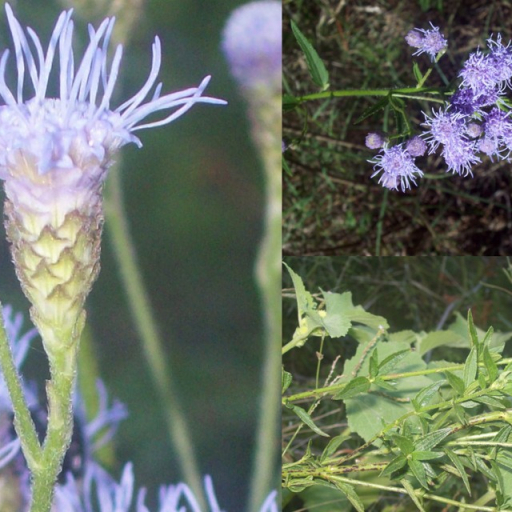
Plant Overview
Known as the Ivy-leaf Thoroughwort, this resilient member of the Aster family is a master of adaptation. Often found dancing in the breeze along forest edges and meadows, it brings a wild, untamed beauty to the landscape. While some of its cousins are known as aggressive invaders, Chromolaena ivifolia serves as a vital nectar station for local butterflies and bees.
🔍 How to Identify
- 🍃 The Foliage: The leaves are arranged oppositely along the stem and have a distinct triangular or "ivy-like" shape with serrated (toothed) edges and a textured surface.
- 🌸 Cloudy Blooms: It produces dense, fuzzy clusters of flower heads that lack large traditional petals, appearing instead as soft, white or very pale lavender "puffs" at the tips of the branches.
- 🌿 Growth Habit: This is a multi-stemmed perennial shrub that typically grows 3 to 6 feet tall, with stems that start green and flexible but become slightly woody as the plant matures.
🏡 In Your Garden
- ☀️ Sun & Resilience: This plant is a sun-seeker. It thrives in open spaces where it can soak up the rays and is remarkably unfazed by poor soil quality, making it a natural choice for "wild" corners of a landscape.
- 🦋 The Pollinator Highway: If you have this plant nearby, expect visitors! It provides a critical nectar source during the late growing season, attracting a wide variety of native bees, wasps, and migrating butterflies.
- ✂️ Pruning Needs: Because it can become quite "leggy" or sparse, a hard prune after the flowering season helps it maintain a bushier, more attractive shape for the following year.
⚠️ Safety & Toxicity
- 🐾 Ingestion Warning: Like many members of the Eupatorieae tribe, this plant contains pyrrolizidine alkaloids. These are natural defense chemicals that can be toxic if eaten in large quantities.
- 🐕 Pet & Livestock Safety: While it is generally ignored by animals due to its bitter taste, it can cause liver issues in livestock or curious pets if they graze on it regularly. It is best treated as an ornamental rather than a forage plant.
✨ Fun Fact
The genus name Chromolaena is derived from the Greek words chroma (color) and laena (cloak), referring to the colorful bracts that "clothe" the flower heads in many species within this group!

Detailed Care Instructions








