Plant Overview
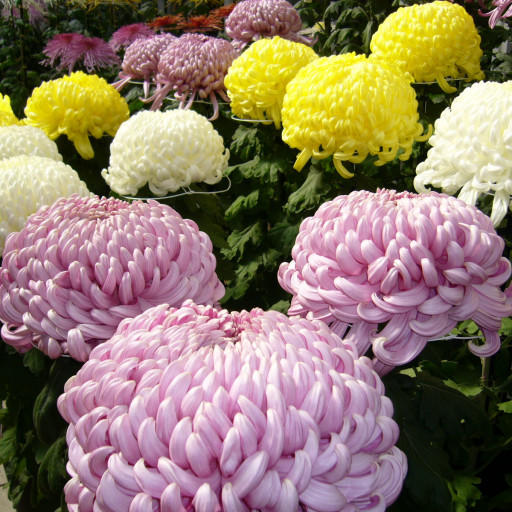
Known affectionately as the "Queen of Autumn," the Garden Mum is the undisputed star of the late-season garden. While many treat them as disposable fall decorations, these resilient beauties have a history spanning over 2,000 years, originating in China as a medicinal herb. Today, they symbolize everything from longevity and rebirth to "get well soon" wishes, brightening porches with their dense, jewel-toned domes of color.
🔍 How to Identify
- 🌿 The Foliage: Look for deeply lobed, dark green leaves that have a thick, almost leathery texture. When crushed, the leaves emit a distinct, pungent, and herbaceous "mum" scent.
- 🌸 The Bloom Variety: Flowers come in numerous forms, including "Decorative" (flat petals), "Pompon" (small spheres), and "Spider" (long, tubular petals). They cover the entire plant so densely that the foliage often disappears.
- 📏 Growth Habit: These plants naturally grow in a tidy, rounded mound shape, usually reaching 1–3 feet in height and width, making them perfect for containers and borders.
🏡 In Your Garden
- ☀️ The Sunlight Secret: While they are famous for blooming in the shorter days of fall, they actually need plenty of sun during the summer to build the energy required for that spectacular flower show.
- 💧 Thirsty Roots: Because they have shallow root systems and produce so many blooms, Mums dry out quickly. If the leaves start to wilt, the flower buds may drop prematurely, so consistent moisture is your best friend.
- ✂️ The "Pinch" Technique: To get that classic "ball" shape, gardeners often "pinch back" the stems in early summer. This encourages the plant to branch out rather than grow tall and floppy.
⚠️ Safety & Toxicity
- 🐾 Toxic to Pets: Caution is required. Chrysanthemums contain pyrethrins and sesquiterpene lactones, which are toxic to dogs, cats, and horses. Ingestion can cause vomiting, diarrhea, and lack of coordination.
- 🖐️ Skin Irritation: Some gardeners develop "florist’s dermatitis"—an itchy rash—after handling the leaves or stems frequently. It is often wise to wear gloves during heavy pruning.
✨ Fun Fact
The Garden Mum is a powerhouse for the environment! Not only was it found to be one of the top air-purifying plants in NASA’s Clean Air Study (removing ammonia and benzene), but its natural chemicals are also used to create organic insecticides.

Detailed Care Instructions
| Humidity | Normal |
| Lighting | Full Sun |
| Toxicity | Poisonous |
| Difficulty | Medium |
| Hibernation | Cold Period |
| Temperature | 5°C - 25°C |
| Hardiness Zones | 5A - 9B |
To grow Chrysanthemum × Morifolium (also known as garden chrysanthemum or florist's chrysanthemum), follow these steps:
- Choose a suitable location: Chrysanthemums prefer full sun, so select a spot in your garden that receives at least six hours of direct sunlight daily. They can also tolerate partial shade.
- Prepare the soil: Chrysanthemums thrive in well-draining soil that is rich in organic matter. Amend the soil with compost or well-rotted manure to improve its fertility and drainage.
- Plant the chrysanthemums: Dig a hole slightly larger than the root ball of the plant. Place the plant in the hole, ensuring that the top of the root ball is level with or slightly above the soil surface. Backfill the hole with soil, gently firming it around the roots.
- Water thoroughly: After planting, water the chrysanthemum deeply to settle the soil around the roots. Ensure that the soil remains evenly moist, but not waterlogged, throughout the growing season. Avoid overhead watering to prevent fungal diseases. Consider using mulch to retain moisture and suppress weeds.
- Provide support: Depending on the chrysanthemum variety, you may need to provide support to prevent the plants from falling over. Install stakes or a plant support system early in the season to support the growing stems.
- Pinch or prune: Regularly pinch or prune the plants to encourage bushier growth and more abundant blooms. Pinch off the top two inches of each stem when they reach six to eight inches in height. Pinching can be done several times until mid-summer.
- Fertilize: Apply a balanced, slow-release fertilizer once or twice during the growing season to promote healthy growth and abundant blooms. Follow the package instructions for proper application rates.
- Control pests and diseases: Keep an eye out for common chrysanthemum pests like aphids, spider mites, and leaf miners. Apply organic pest control methods or use insecticidal soap if necessary. Also, practice good garden hygiene and provide adequate air circulation to prevent fungal diseases.
- Overwintering: In colder climates, chrysanthemums may need protection during winter. Cover the plants with a thick layer of mulch or transfer potted chrysanthemums to a cool indoor location until spring.
- Divide and propagate: Chrysanthemum plants can be divided every few years to maintain their vigor and promote healthier growth. Divide the plants in early spring before new growth begins.
By following these steps, you can successfully grow Chrysanthemum × Morifolium plants and enjoy their beautiful blooms.

Place in a bright room that is sun drenched almost all day. Or directly in a south-facing window.

Chrysanthemum × Morifolium is a flowering plant that needs regular watering to grow and remain healthy. When watering this plant, it is important to ensure that the soil is moist but not waterlogged. Overwatering can lead to root rot and other fungal diseases.
To water Chrysanthemum × Morifolium, begin by checking the soil moisture level. This can be done by sticking your finger into the soil up to the second knuckle. If the soil feels dry, it is time to water the plant.
When watering, use a watering can or hose with a gentle spray nozzle to avoid disturbing the soil or damaging the delicate leaves and flowers. Aim the water at the base of the plant, avoiding the leaves and flowers as much as possible. Allow the water to soak into the soil and drain away before watering again.
The frequency of watering will depend on several factors, including the temperature, humidity, and soil type. In general, Chrysanthemum × Morifolium may need to be watered once or twice a week during hot, dry weather, and less frequently in cooler, wetter conditions.
It is also important to note that Chrysanthemum × Morifolium may require more water during periods of active growth, such as during the spring and summer months. In the fall, as the plant prepares for winter dormancy, reduce the frequency of watering to avoid overwatering.
Overall, providing Chrysanthemum × Morifolium with regular, consistent watering is essential for its health and longevity.
To fertilize this plant, use a balanced fertilizer with equal parts nitrogen, phosphorus, and potassium. Apply the fertilizer once every two weeks during the growing season. Always water the plant before applying the fertilizer to avoid burning the roots.
The recommended soil for Chrysanthemum × Morifolium plants is a well-draining soil mix that has a good balance of organic matter and sand or perlite to promote optimal root growth and prevent soil compaction. The soil pH should be slightly acidic to neutral, ideally between 6.0 and 7.0, to ensure optimal nutrient uptake and prevent nutrient deficiencies or toxicities. It is also important to ensure that the soil is free of pests, diseases, or weed seeds that could harm the plant's growth and development. To maintain healthy soil quality, regular fertilization and organic matter amendments may be necessary, depending on the plant's specific needs and environmental conditions.
Chrysanthemum × Morifolium can be propagated through various methods like stem cuttings, division, and seed germination. One of the most common and easiest ways to propagate this plant is through stem cuttings.
To propagate Chrysanthemum × Morifolium through stem cuttings, follow the steps below:
- Take stem cuttings: Choose healthy and disease-free stems from the parent plant. Cut a 4 to 5-inch long stem from the parent plant using a sharp and sterilized knife.
- Strip leaves: Remove all the lower leaves from the stem, leaving only two or three leaves at the top.
- Dip in rooting hormone: Dip the cut end of the stem in rooting hormone, which can be purchased from a garden center.
- Plant in growing medium: Fill a small pot with a well-draining and fertile growing medium such as soilless mix or perlite. Make a hole in the growing medium and insert the stem cutting. Gently press the soil around the stem cutting.
- Provide appropriate conditions: Place the pot in a warm and bright location but avoid direct sunlight. Water the stem cutting regularly, keeping the soil slightly moist but not waterlogged.
- Monitor growth: After 2-3 weeks, the stem cutting will start to develop roots. Check for root growth by gently pulling on the stem. If it resists, roots have formed. Once the roots have developed, transplant the new plant into a larger pot or into the garden.
By following these simple steps, Chrysanthemum × Morifolium can be propagated easily and inexpensively.
Common pests of the common chrysanthemum include Spider mites, fungus gnats, aphids. Make a habit of checking your common chrysanthemum frequently for pests so that any infestations can be caught and managed early.