Plant Overview
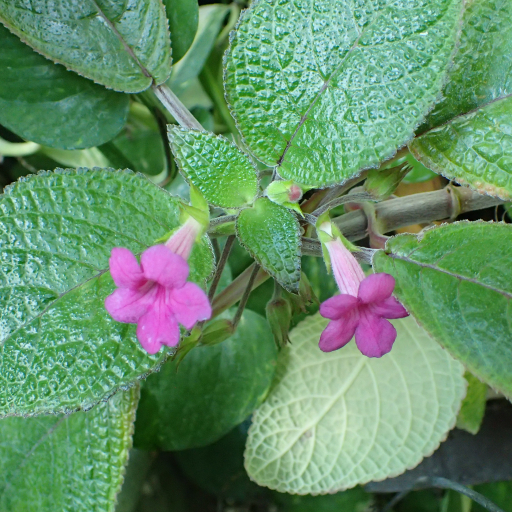
Often called the "Honey-leaved Sunset Bells," Chrysothemis melittifolia is a hidden gem of the tropical rainforest floor. A close relative of the African Violet, it brings a dramatic contrast to any indoor collection with its dark, "quilted" foliage and brilliant bursts of yellow blooms. In its native Caribbean and South American haunts, it is celebrated for its ability to brighten the deepest shadows of the jungle canopy.
🔍 How to Identify
- 🍃 The Foliage: The leaves are large, broadly ovate, and have a distinct "quilted" or crinkled texture. They are typically a deep, moody green with occasional bronze or burgundy undertones that shimmer under soft light.
- 🌼 The Flowers: Small, bright yellow tubular flowers emerge from larger, persistent orange or reddish-orange calyxes. Even after the yellow flower falls off, the colorful orange base remains, providing color for weeks.
- 🌱 Growth Habit: This is a low-growing, herbaceous plant that grows from a tuber hidden beneath the soil. Its stems are succulent and somewhat brittle, usually reaching about 12 to 18 inches in height.
🏡 In Your Garden
- ☁️ Humidity is Key: As a true tropical native, this plant craves high humidity. If the air is too dry, the edges of those beautiful dark leaves will quickly turn brown and crispy; a pebble tray or a humidifier is its best friend.
- 💤 The Secret Tuber: Don't panic if the plant seems to die back suddenly! Because it grows from a tuber, it may go into a "sleep" or dormancy period if it feels stressed or if the seasons change. Keep the soil barely moist during this time, and it will eventually sprout anew.
⚠️ Safety & Toxicity
- ✅ Safe Status: Chrysothemis melittifolia is generally considered non-toxic to humans and common household pets like cats and dogs.
- 🧤 Skin Sensitivity: While not poisonous, the sap can occasionally cause mild irritation to those with very sensitive skin. It’s a good practice to wash your hands after pinching off dead leaves or pruning.
✨ Fun Fact
The species name melittifolia literally translates to "honey-leaf." This is a tribute to the sweet nectar hidden deep within its tubular flowers, which are perfectly designed to be "unlocked" by the long tongues of specialized tropical bees and hummingbirds!

Detailed Care Instructions








